 ultimate-guide
How to Choose a Private School in Aurora
The right school isn't the most impressive one. It's the one that fits the child you actually have.
Table of Contents
- Why Choosing the Right Private School Matters
- Assessing Academic Quality and Curriculum
- Understanding the Private School Admission Process in Illinois
- Exploring Nature-Based Learning Options in the Fox Valley
- The Impact of Small Class Size Benefits on Learning
- Evaluating School Culture, Values, and Community Fit
- Making Your Final Decision
- Frequently Asked Questions
Last Updated: September 25, 2026
Why Choosing the Right Private School Matters
Choosing a private school is one of the most significant educational decisions you'll make as a parent. Unlike public school assignments based on zip code, selecting a private school requires intentional research, visits, and honest conversations about what your child actually needs to thrive. At Headwaters, we understand that the “best” school isn't always the most prestigious one. It's the one that aligns with your child's learning style, your family's values, and your long-term vision for their education.
The stakes feel high because they are. Your child will spend roughly 1,000 hours per year at school. That environment shapes not just what they know, but how they see themselves as learners and as people. A school that cultivates curiosity and resilience produces different outcomes than one focused purely on test scores. When you're evaluating how to choose a private school in Aurora, you're really asking: Where will my child feel seen, challenged appropriately, and excited to learn?
This guide walks you through the essential criteria for evaluating private schools, the questions to ask during campus visits, and the factors that often matter more than tuition or reputation alone.
Assessing Academic Quality and Curriculum
Academic rigor matters, but it looks different depending on the school's educational philosophy. A traditional curriculum emphasizes standardized benchmarks and measurable outcomes. A project-based curriculum builds skills through real-world problems and creative investigation. Both can be rigorous; they're just measuring different things.
Start by asking: What does this school teach, and how? Request the curriculum overview and sample lesson plans. Look for evidence that students are doing substantive work, not busywork disguised as learning. Strong schools can articulate why they teach what they teach, not just that they check state standards.
Pay attention to how the school talks about struggling learners. A school that only celebrates top performers may leave other students behind. Schools that invest in intervention, differentiation, and individualized support tend to develop more resilient learners overall. Ask about their approach to students who learn differently, whether through dyslexia screening, ADHD support, or academic acceleration.
Understanding Different Educational Philosophies
Different educational philosophies produce genuinely different learning experiences. A Montessori approach emphasizes self-directed learning and hands-on materials. A Waldorf curriculum integrates arts and movement into academics. A traditional school prioritizes structured lessons and measurable progress. A nature-based curriculum uses outdoor exploration as the primary learning context.
None of these is inherently “better,” but they're not interchangeable either. Your child's temperament and learning style matter enormously. A child who thrives with clear structure and predictable routines may struggle in a highly self-directed environment. A child who learns through movement and exploration may feel constrained by desk-based instruction. Spend time observing a classroom in action. Does the environment feel alive, or sterile? Are students engaged, or compliant? Are teachers responsive to individual needs, or managing a room?
Evaluating Teacher Qualifications and Experience
Teachers are the single most important variable in your child's school experience. A school's reputation means almost nothing if your child lands with a burned-out or disengaged teacher. Conversely, an exceptional teacher can transform a child's relationship with learning.
Ask about teacher qualifications. Many private schools require bachelor's degrees; some require master's degrees or specialized certifications. Headwaters prioritizes teachers with advanced degrees and deep expertise in their fields. But credentials alone don't guarantee great teaching. Ask about professional development. Schools that invest in ongoing teacher training tend to have stronger instruction.
During visits, observe how teachers interact with students. Do they know individual children's strengths and challenges? Do they ask genuine questions, or just dispense information? Do they seem energized or exhausted? Trust your gut here. You can often sense within minutes whether a teacher genuinely cares about their students' growth.
Understanding the Private School Admission Process in Illinois
Private school admissions in Illinois vary widely depending on the school. Some schools operate on a rolling basis, admitting students as spots open. Others have set admission deadlines and competitive processes. Understanding the timeline and requirements prevents stress and missed deadlines.
Most private schools require an application form, previous school records, and a tour or interview. Some administer entrance assessments, such as standardized tests or subject-specific evaluations, to gauge academic readiness. Others use interviews to assess fit and family alignment with school values. A few schools operate on a lottery system for fairness.
Start your research early, ideally 6–12 months before the intended start date. Contact schools directly to request their admission timeline, required documents, and any assessment details. Ask whether the school offers financial aid or tuition assistance, and understand the application process for that support. Some schools have separate financial aid deadlines and require additional documentation.
Be honest about your child's needs during the admission process. Schools want to admit students they can genuinely serve well. If your child has learning differences or behavioral support needs, disclose them upfront. A school that's the right fit will work with you. A school that dismisses your concerns probably isn't the right environment.
Exploring Nature-Based Learning Options in the Fox Valley
Nature-based learning has gained traction because research suggests outdoor education builds confidence, resilience, and environmental stewardship alongside academic skills. A nature-based curriculum isn't about replacing academics with outdoor play. It's about using the natural world as the context for learning math, science, literacy, and social skills.
In Aurora and the surrounding region, several schools integrate nature-based approaches. Some dedicate specific time blocks to outdoor learning. Others are fully immersed in land-based education, where the farm or forest becomes the classroom. Headwaters combines Montessori-informed academics with substantial time outdoors, in gardens, at local creeks, and in parks across the Fox Valley, where students learn food systems, ecology, and resilience through direct experience. If you're exploring nature-based options for your family, Home Learning Resources and Homeschool Enrichment programs can also complement or extend that philosophy beyond the traditional school day.
When evaluating nature-based options, ask: How much time do students spend outdoors? Is it seasonal, or year-round? What happens in winter or bad weather? How does outdoor learning connect to core academics? Does the school have adequate outdoor infrastructure, such as shelter, bathrooms, and water access? Are students learning actual ecological concepts, or is outdoor time primarily recreation?
Nature-based learning often appeals to families seeking alternatives to traditional classroom environments. But it's not a fit for every child. Some children thrive with movement and exploration. Others need more structure and predictability. Observe a nature-based classroom in action. Does your child's energy match the pace and style?
The Impact of Small Class Size Benefits on Learning
Smaller classes allow teachers to know individual students deeply and respond to their specific needs. In a class of 12, a teacher can notice when a child is struggling with fractions or withdrawing socially. In a class of 30, those signals get lost.
Research has found that small class sizes are linked to stronger academic outcomes, particularly for younger students and students from disadvantaged backgrounds. But class size is only meaningful if the teacher uses that time intentionally. A small class with a disengaged teacher is less valuable than a larger class with an exceptional one.
Many private schools market small class sizes as a key benefit, and rightfully so. But size varies widely. Some define “small” as 15 students. Others mean 8–10. Ask for specific numbers in each grade level. Also ask about student-to-teacher ratios during specials (art, music, PE) and support services. A school might have small main classes but large specials classes, which changes the experience.
Small class sizes also foster community. When everyone knows everyone, students develop stronger peer relationships and feel more accountable to their community. Teachers can implement restorative practices and conflict resolution more effectively. For families seeking tight-knit, community-focused environments, small size is often essential.
Evaluating School Culture, Values, and Community Fit
School culture is the invisible curriculum, what students learn through daily experience about what matters, how to treat each other, and who belongs. A school's stated values mean little if the actual culture contradicts them. Observe carefully.
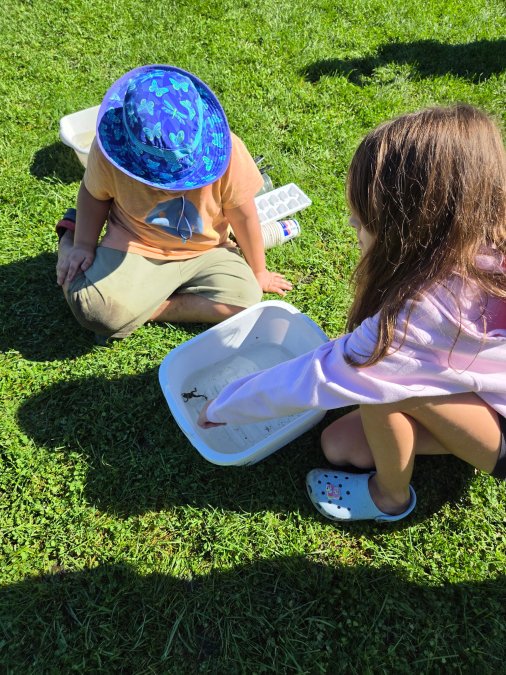
How to Start a Nature School: A 2026 Guide from Founders Who've Done It
Walk through the hallways. How do students interact with each other? With adults? Do you see kindness?
Questions to Ask During School Visits
Come prepared with specific questions that reveal how a school actually operates, not just what it claims to value.
What does a typical day look like for a student my child's age?
How do you know when a student is struggling, and what happens next?
How do you handle conflict between students?
How do you challenge a student who is ahead?
How do teachers communicate with families, and how often?
What do students do when they finish their work early?
What does your school do differently from others nearby, and what does it not try to do?
Can I talk with a current family?
Assessing Social-Emotional Learning and Support
Academic skills matter, but social-emotional competencies determine whether students can use those skills effectively. A school that teaches emotional regulation, empathy, communication, and resilience produces students who can navigate challenges and collaborate with others.
Ask how the school teaches these skills, not just whether it values them. Is there a regular time for it, or does it only come up after a problem? Who does a child go to when something is wrong? How does the school work with families when a child is having a hard time? The best answers will be specific.
Making Your Final Decision
By the time you've visited schools, interviewed families, and observed classrooms, you'll have a lot of information. Trust both your head and your gut.
Go back to the questions you started with. Where will your child feel seen? Where will they be challenged appropriately? Where will they be excited to learn? If you can, bring your child to visit, and pay attention to how they talk about it afterward. Then choose the school that fits the child you actually have, not the one you think a school is supposed to produce.
Frequently Asked Questions
What should I look for when evaluating a private school's academic program?
Start by examining the curriculum structure, teacher qualifications, and student outcomes. Ask about how the school approaches core subjects like math, reading, and science. Request examples of student work and projects. Understand the school's philosophy—whether it emphasizes traditional instruction, project-based learning, or a blend of approaches. Visit classrooms to see teaching in action. Strong academic programs balance rigorous instruction with engagement and critical thinking.
What is the private school admission process in Illinois?
Most private schools in Illinois require an application, school visit or tour, and assessment of your child's readiness. Some schools use standardized testing or interviews. Admission timelines vary, so contact schools early. You'll typically provide previous school records, teacher recommendations, and family information. Some schools offer rolling admission, while others have set deadlines. Start exploring schools by winter to allow time for visits and applications before the school year begins.
How can I tell if nature-based learning in Aurora is right for my child?
Consider your child's learning style and interests. Nature-based schools emphasize outdoor exploration, hands-on projects, and ecological awareness alongside academics. Ask whether the program includes regular outdoor time, how academics are integrated with nature study, and what happens during different seasons. Visit during outdoor learning time to observe engagement. This approach works well for curious, active learners who thrive with movement and real-world exploration, but visit to ensure the fit matches your child's needs.
Why do small class sizes matter in private schools?
Smaller classes allow teachers to know each student deeply, tailor instruction to individual learning needs, and provide meaningful feedback. Students benefit from more discussion time, personalized attention, and stronger relationships with peers and teachers. In smaller settings, struggling students get faster support, and advanced learners receive appropriate challenge. The close-knit environment also fosters stronger school community and makes it easier to identify social-emotional needs early.