 Ultimate guide
Is Project Based Learning Worth It for Elementary Students?
Table of Contents
- What Project Based Learning Actually Looks Like in Elementary Classrooms
- Benefits of Project Based Learning in Elementary School
- Project Based Learning Examples for Elementary Students
- Challenges of Project Based Learning and How Teachers Work Through Them
- Does Project Based Learning Improve Test Scores and Academic Outcomes?
- What to Look for in a Project Based Elementary Program Near Aurora, IL
- Frequently Asked Questions
Last Updated: September 27, 2026
What Project Based Learning Actually Looks Like in Elementary Classrooms
Project based learning is an instructional approach where students gain knowledge and skills by working for an extended period to investigate and respond to an authentic, engaging question or problem. In elementary classrooms, that often means a group of eight-year-olds spending six weeks designing a pollinator garden, tracking which plants attract which insects, and presenting their findings to the school board.
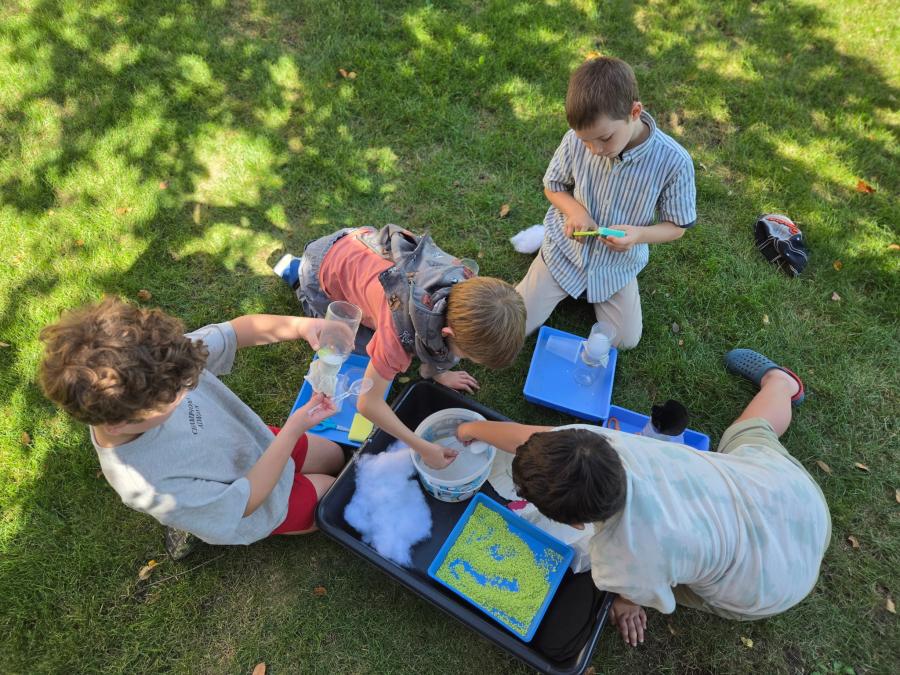
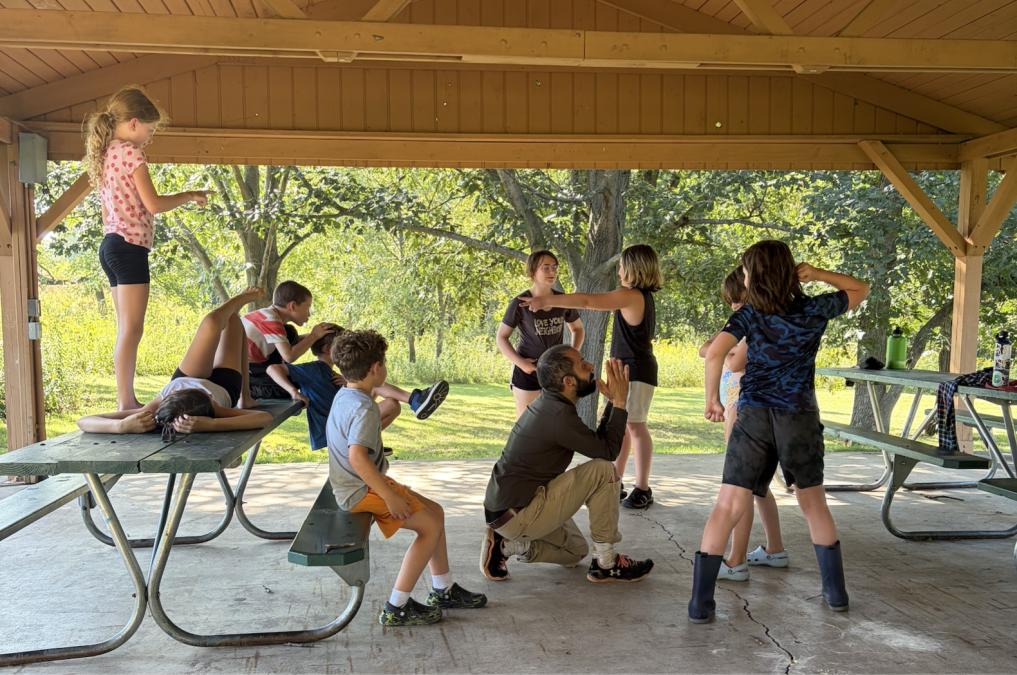
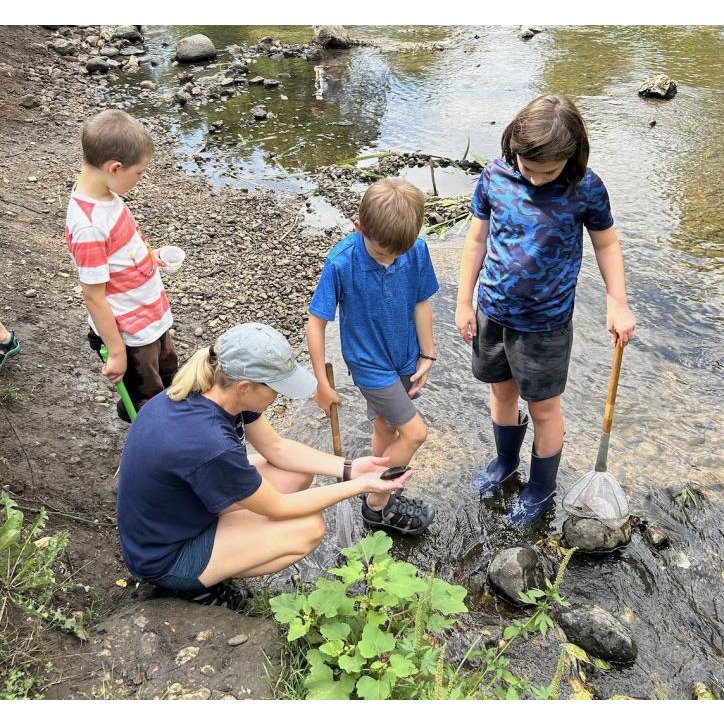
At HEADWATERS, our farm campus in Kane County is essentially one long project based learning environment, so we think about this question constantly. The short answer: yes, it is worth it, but only when the program is structured. Unstructured "projects" that skip direct instruction are where the approach earns its bad reputation.
Association for Supervision and Curriculum Development overview of project based learning
How It Differs From Traditional Instruction
Traditional instruction front-loads content and tests retention. Project based learning front-loads a question and teaches content as students need it.
A traditional science unit might spend two weeks on plant biology, then assign a worksheet. A project based version hands students a real problem, then teaches plant biology because the garden will die without it. The content is identical. The sequence, and the motivation, are not.
Benefits of Project Based Learning in Elementary School
The benefits of project based learning in elementary school show up in skills that worksheets cannot measure well: sustained attention, collaboration, and the willingness to revise work. Many teachers find that students who struggle with timed drills become leaders during extended projects because the work rewards persistence over speed.
The research base here is real but modest in scale. Lucas Education Research studies on project based learning outcomes has documented gains in both engagement and content retention in schools that adopted rigorous models. What most guides miss is that those gains came from programs with heavy teacher training, not from projects assigned casually.
- Students practice reading, writing, and math inside a real context
- Collaboration becomes a taught skill rather than an accident of grouping
- Revision feels normal because the garden, model, or presentation must actually work
Project Based Learning Examples for Elementary Students
Strong project based learning examples for elementary students share one trait: the outcome is visible and matters to someone outside the classroom.
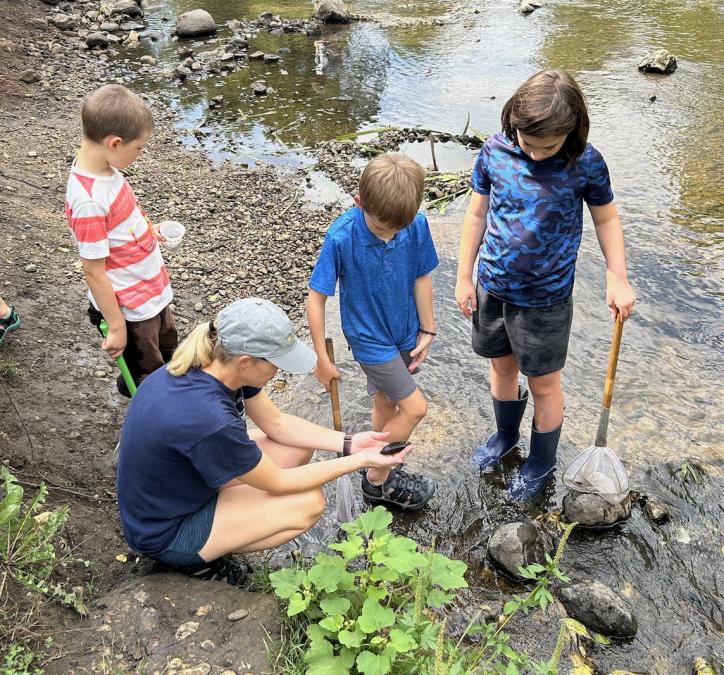
A School Garden That Teaches Math and Science
A pollinator garden project covers measurement, area, data collection, and life cycles in one arc. Students measure bed dimensions in centimeters, calculate seed spacing, chart germination rates over three weeks, and adjust their plan when half a tray fails. The failure is the lesson. In practice, teachers report that students remember the math they used to fix a real problem far longer than the same math done on a worksheet.
Community History Projects That Build Research Skills
Students interview long-time residents, photograph buildings, and write a short local history. This teaches primary source evaluation, note-taking, and citation. It also builds the community connection that makes learning stick.
Challenges of Project Based Learning and How Teachers Work Through Them
The challenges of project based learning are predictable, and each has a workable answer:
| Challenge | What It Looks Like | How Teachers Handle It |
|---|---|---|
| Time pressure | Projects run long, coverage suffers | Map standards to the project before launch |
| Uneven group work | One student does most of it | Assign roles and grade individually |
| Assessment difficulty | Hard to score fairly | Use rubrics with content and process rows |
| Noise and mess | Classroom feels chaotic | Define workspace norms on day one |
What most guides miss is the training problem. A teacher who has never run a long project needs coaching and planning time, and schools that skip that step usually watch the model collapse within a year.
Does Project Based Learning Improve Test Scores and Academic Outcomes?
The honest answer is: sometimes, and mainly when the program is rigorous. Project based learning does not automatically raise test scores. Schools that pair projects with explicit instruction in reading and math tend to see steady growth; schools that replace direct instruction entirely often see gaps.
Education Week coverage of project based learning research has followed this debate for years, and the pattern holds: structure decides the outcome. Ask any school you are considering how it teaches foundational reading and math alongside projects. A confident, specific answer is a good sign. A vague one is not.
What to Look for in a Project Based Elementary Program Near Aurora, IL
Families searching for a project based elementary program near me in the Aurora area should evaluate four things: how reading and math are taught directly, how long projects run, how teachers are trained, and whether the school can show you student work rather than marketing materials.
Ask to see a project calendar and a sample rubric. Ask what happens when a project fails. Ask how the school handles group work fairly. The answers tell you more than any brochure.
At HEADWATERS, our Montessori-inspired K-8 program pairs land-based projects with structured academics, and our teachers bring graduate-level training to small classes where every child is known. We are a young school, and we say so plainly. What we can show you is our approach: explicit social-emotional teaching, real work on the farm, and a community that practices repair when things go wrong. Families who want to see it can explore our homeschool enrichment and home learning resources or visit the farm.
Frequently Asked Questions
What are the primary benefits of project based learning for elementary students?
Project based learning builds skills that carry into adulthood: problem-solving, collaboration, and the ability to work through a task without constant direction. Elementary students in project based classrooms practice reading, math, and science within meaningful contexts, which helps them retain what they learn. They also develop social-emotional skills like patience and communication because projects require negotiation and shared decision-making. Many families find their children become more curious and self-directed when learning connects to real questions rather than worksheets.
Does project based learning improve standardized test scores?
Research on project based learning shows mixed but generally positive results on standardized tests. Some studies find students in project based classrooms perform as well or better than peers in traditional settings, particularly in science and social studies. The key variable is implementation quality. Programs that pair projects with explicit instruction in reading and math tend to see stronger test outcomes. Test scores alone do not capture the full picture, but they are one measure families can ask about when evaluating a school.
How do teachers assess student progress in a project based environment?
Teachers in project based classrooms use a mix of methods: observing how students work through challenges, reviewing project drafts and reflections, and checking for specific skills through short assessments. Many use rubrics that break down collaboration, research, and presentation skills alongside academic content. Portfolios and student-led conferences give families a clearer picture than a single test score. Ask any school you are considering how they document growth and whether families see regular evidence of learning.
Is project based learning suitable for all elementary grade levels?
Yes, with adjustments for age. Kindergarten and first-grade projects tend to be short, sensory, and highly guided, like building a bird feeder and observing which birds visit. By third and fourth grade, students can handle multi-week projects with research components and written reflections. The structure matters more than the grade level. Younger students need more scaffolding and shorter timelines, while older elementary students thrive with more independence and choice in how they present their work.
Project based learning asks a lot of a school: trained teachers, careful planning, and the patience to let real work take time. If you want that for your child, look for a program that can prove it does the hard parts. Explore HEADWATERS to see our Montessori and nature-inspired curriculum, our small microschool setting, and our land-based learning in person, and learn more about what a day on the farm actually looks like.