 Listicle
Which Montessori Inspired Homeschool Resources Are Worth It?
Last Updated: November 19, 2026
Quick Summary
Montessori homeschool resources come as printable albums, physical material kits, online parent courses and bundles. Judge them by three things: whether the materials self-correct, whether the sequence moves from concrete to abstract, and whether the resource explains the purpose of each activity to the parent.
- The label Montessori-inspired has no legal or accreditation meaning, so contents vary widely.
- Check sample pages and the table of contents before paying for any resource.
- Genuine materials let the child see and correct their own errors without an adult.
- Buy or print one area first and watch your child respond for a few weeks.
- Online courses are the strongest choice for parents new to the method.
Table of Contents
- What Montessori Inspired Homeschool Resources Actually Include
- How to Evaluate Montessori Alignment Before You Buy
- Montessori Inspired Homeschool Resources Online Free
- Printable and PDF Montessori Resources You Can Download
- Comparing the Best Montessori Homeschool Curriculum Options
- Montessori Homeschool Activities for Elementary Students
- Choosing Your First Montessori Resource and Where to Start Locally
- Frequently Asked Questions
What Montessori Inspired Homeschool Resources Actually Include
Montessori-inspired homeschool resources are materials, guides and curricula that borrow the core ideas of the Montessori method: a prepared environment, child-led work, hands-on materials and a parent who acts as a guide rather than a lecturer. At Headwaters, we know how much of what gets sold under this label actually follows those principles and how much is just a pretty workbook.
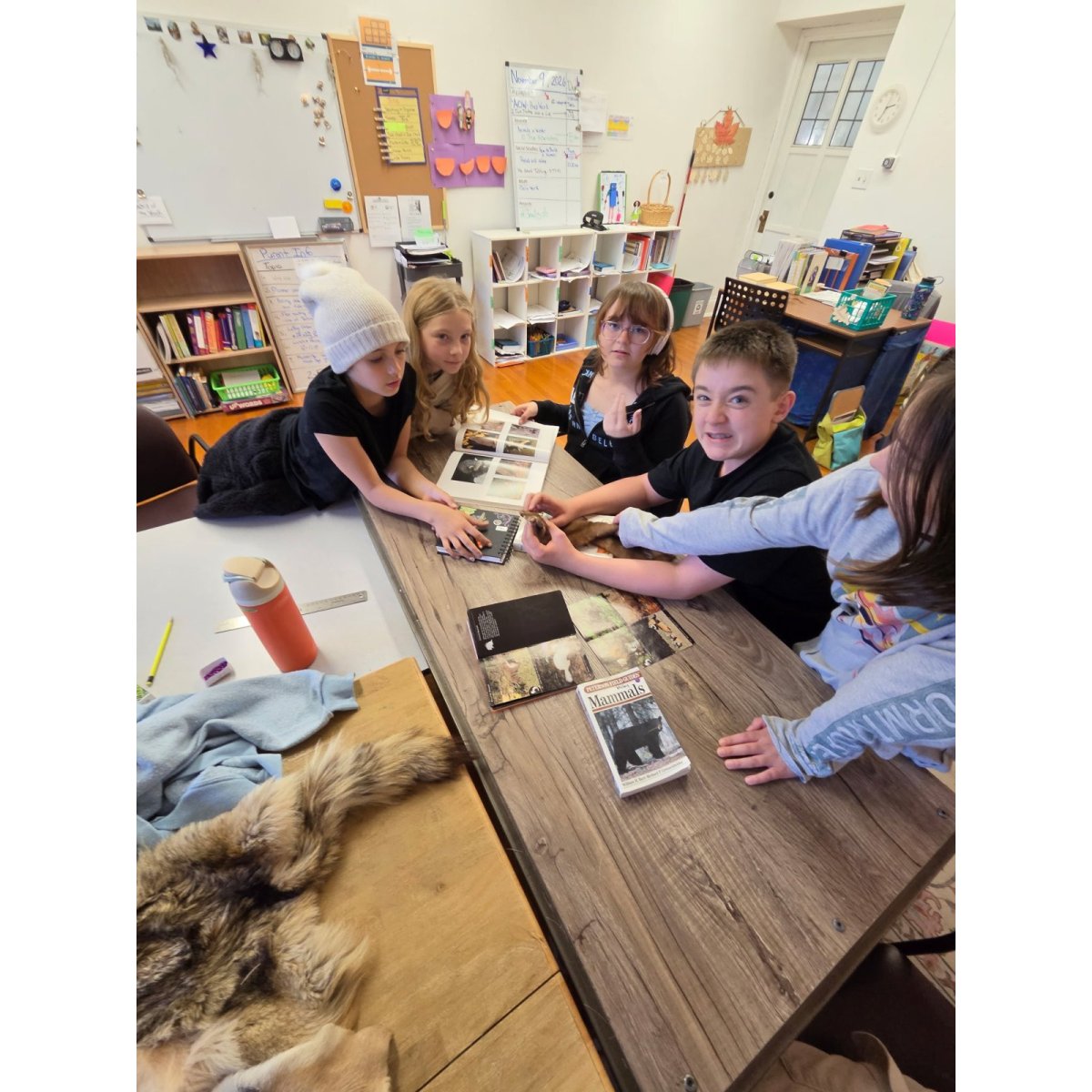
Most resources fall into a few groups. Printable albums and lesson guides give you the structure and the sequence of lessons. Physical material kits supply the beads, cards and tactile objects children work with. Online courses and video lessons teach the parent how to present the work. Some bundles combine all three. The label "Montessori-inspired" carries no legal or accreditation meaning, so the contents vary widely from one product to the next.
Look closely at what a resource actually delivers. A good one explains the purpose of each activity, not only the steps. It also shows how the work changes as a child grows.
How to Evaluate Montessori Alignment Before You Buy
The label "Montessori-inspired" has no legal or accreditation meaning in the United States, so any seller can use it. That is not a reason to distrust every product, but it is a reason to read the sample pages and the table of contents before you pay. A practical alignment check comes down to a handful of concrete signals you can spot in ten minutes.
Start with the prepared environment. A resource that is genuinely aligned will tell you how to set up the shelf, how many activities to put out at once, and how to rotate them. If a product never mentions the shelf, the tray, or the work mat, it is borrowing vocabulary rather than method.
Next, look for self-correction built into the material. Montessori materials are designed so the child can see the error without an adult pointing it out: the cylinder that does not fit, the bead count that does not match, the puzzle piece that will not sit flush. A printable that requires you to grade it with a red pen is a worksheet in disguise. Ask whether the control of error lives in the material or in the parent.
Then check the sequence. Montessori work moves from concrete to abstract, and from isolated difficulty to combined difficulty. A strong resource introduces sensorial and practical life work before symbolic writing and arithmetic, and it isolates one new skill at a time. Watch for products that jump straight to abstract tasks for young children or that mix five new concepts onto a single page.
Finally, look at what the resource teaches the parent. The best online resources include a short guide to observing your child, presenting a material in a slow and deliberate way, and knowing when to step back. Products that assume you already know the method tend to leave new homeschool parents guessing.
A quick red-flag list helps. Be cautious when a product promises "Montessori" but is built entirely on worksheets, when it rewards completion with stickers or points, when it scripts every minute of the day, or when it never explains the purpose of an activity. None of these are harmful on their own, but together they signal a traditional workbook with Montessori branding.
Watch out: a common mistake is buying a large bundle before you have tested one area with your own child. Buy or print a single area first, watch how your child responds for a few weeks, and only then expand.
If you want a second opinion, bring the sample pages to a local parent group or a Montessori-trained guide and ask them to walk the checklist with you. That conversation is often more useful than any review.
Montessori Inspired Homeschool Resources Online Free
Free montessori homeschool resources exist, and they can be a fair place to start. Many parents find that free guides and printable activity collections let them test whether the approach suits their family before spending money. The tradeoff is depth. Free material usually covers a few areas well and leaves gaps in others, such as math materials or reading progression.
When you use free resources, judge them with the same checklist: purpose, sequence and parent guidance. A free set that explains why each activity matters can outperform a paid product that only lists steps.
Printable and PDF Montessori Resources You Can Download
Printable and PDF resources are a flexible format. You download them once, print what you need and reuse them with siblings. Look for files that include the materials list, the presentation script and the extension activities for older children. A single sheet with a picture and a word is not enough on its own.
Before you print a full album, check the page count and the layout. Some PDFs are built for color printing and lose clarity in black and white. Others are designed to be printed on card stock, which affects how durable the cards will be for toddlers who handle them often.
Free preschool activities that need no special materials can also be a useful first step. Simple, screen-free work with household objects covers the same sensory and practical life ideas that more expensive kits build on.
Comparing the Best Montessori Homeschool Curriculum Options
Curriculum options differ in format, cost, and how much they assume about the parent's background. Rather than rank brands, it helps to compare categories on the dimensions that actually change your day: what age range the product serves, what format it arrives in, whether it includes parent training, and how much of the sequence it covers.

The table below summarizes the main categories and what each tends to suit. Prices vary widely by product and seller, so check each site for current amounts rather than relying on a single figure.
| Resource type | Typical age range | Format | Parent training included | Main strength | Main limitation |
|---|---|---|---|---|---|
| Printable albums | Ages 3-9, often split by plane | PDF download | Sometimes a short guide | Low cost, easy to reuse with siblings | Requires printing, cutting, and laminating |
| Physical material kits | Ages 3-6 and 6-9 | Shipped objects | Usually a presentation booklet | Real tactile materials, ready to use | Higher upfront cost and storage space |
| Online courses | Parent-facing, any age | Video and PDF | Yes, the course is the training | Shows how to present lessons | Screen time for the parent, not the child |
| All-in-one bundles | Ages 3-12 | Mixed | Varies | Coordinated sequence across years | Can be costly and rigid for one child |
| Free and low-cost printables | Ages 3-6 mostly | PDF download | Rarely | Tests the approach before spending | Gaps in math and reading progression |
A few patterns are worth knowing. Printable albums are the most flexible format because you print only what you need and reuse the files with younger siblings. Physical kits save preparation time but take up shelf space and are harder to adapt for a child who needs a different pace. Online courses are the strongest option for a parent who is new to the method, because the presentation skills matter more than the printables. Bundles suit families who want a single plan across several years, but they can lock you into a sequence that does not fit your child.
Our suggestion: if you are new to the method, pair a short online course with a printable album for one area. You learn the presentation skills and build your materials gradually. If you already know the method and have more than one child, a physical kit for math plus printables for language is often the most efficient combination.
Watch out: a common trap is buying a full bundle in the first month and discovering that half of it sits unused because your child is not ready for that plane of development. Match the purchase to your child's current stage, not to the seller's marketing.
Montessori Homeschool Activities for Elementary Students
Elementary-age children need work that is more abstract than preschool activities, but the method still depends on concrete materials for as long as they need them. Good resources for this age group include a bead-based math sequence, a grammar box for word study and research projects tied to the child's interests.
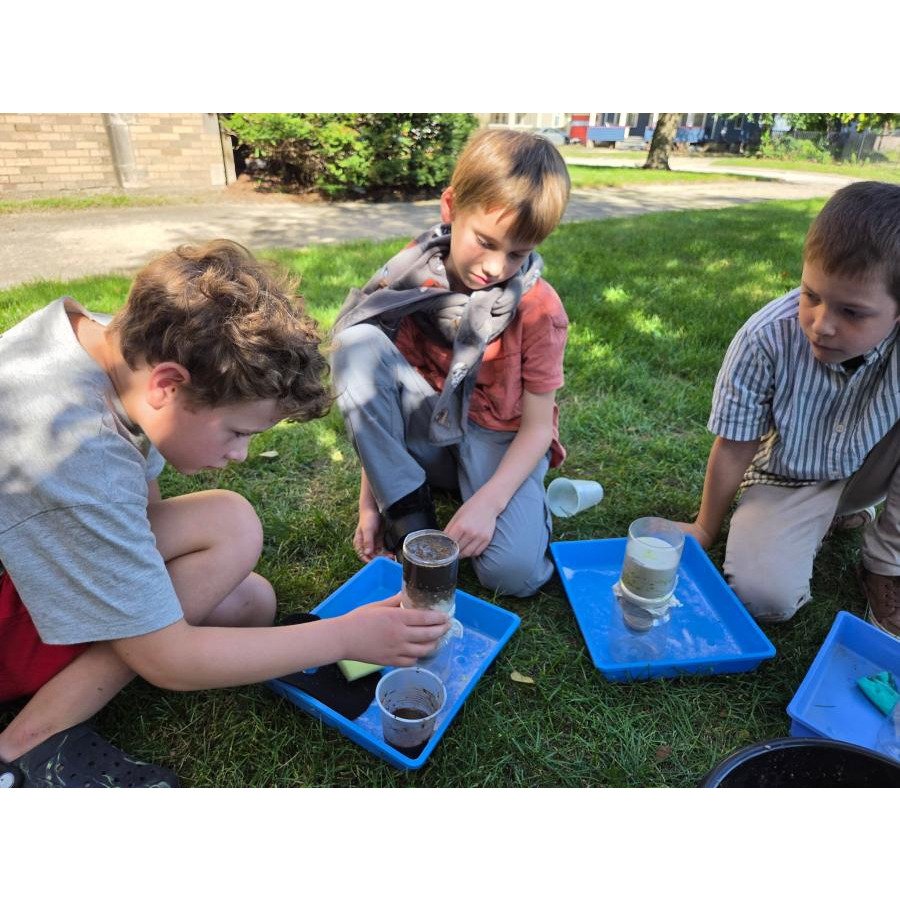
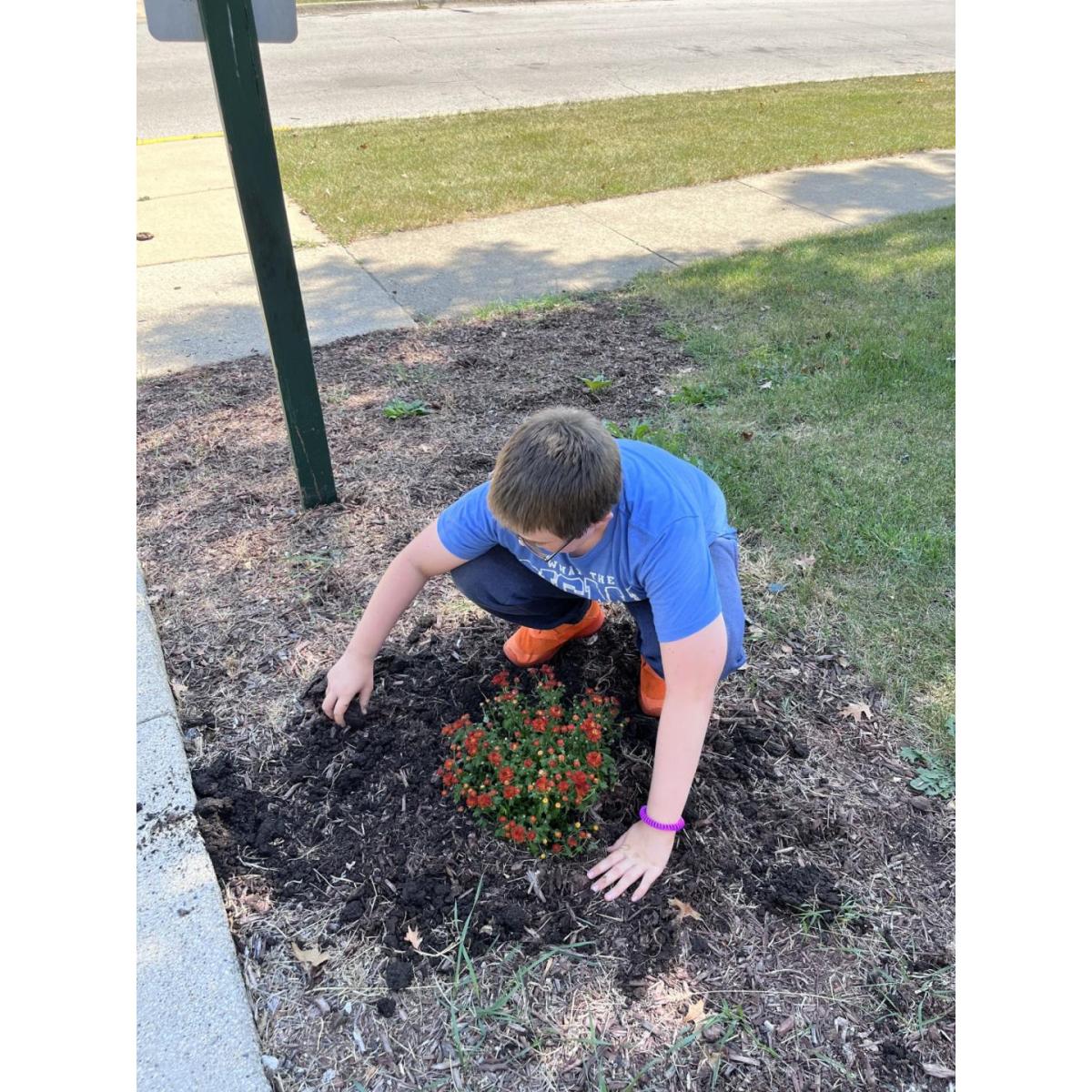
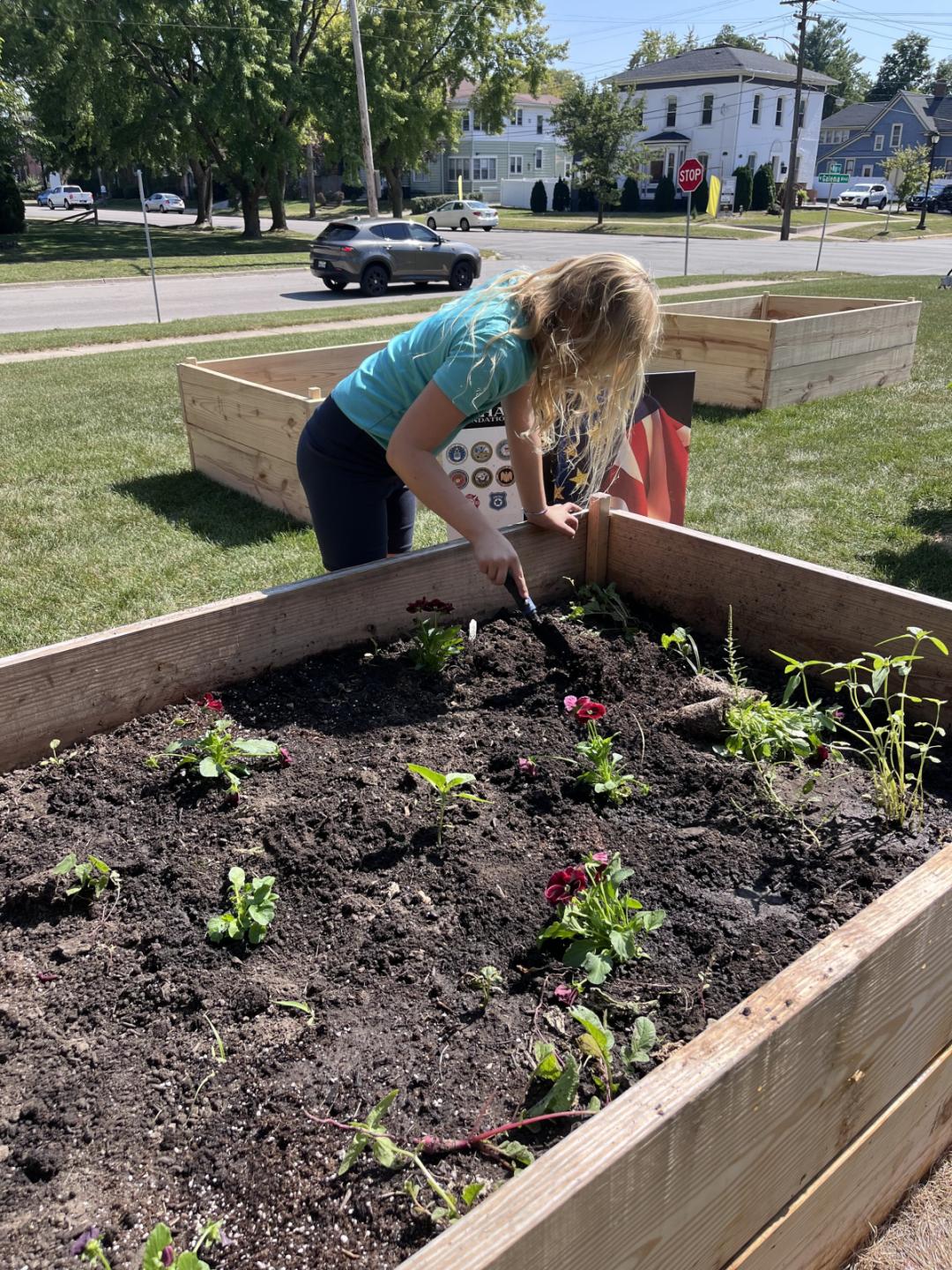
Outdoor and nature-based work also fits elementary Montessori well. Gardening, observing seasonal change and keeping a field journal connect science and math to real life. Many parents find that these activities hold a child's attention longer than worksheets do.
Expect the parent's role to shift. At this age the child works more independently, so the resource should help you check progress and ask good questions rather than direct every step.
Choosing Your First Montessori Resource and Where to Start Locally
Start small. Pick one area, such as language or early math, and buy or print the materials for that area alone. Once you see how your child responds, add the next area. Trying to buy a full curriculum on day one often leads to unused materials on a shelf.
If you live in the Aurora area, you can also look at local, in-person options before committing to a full home plan. Families can start a conversation with us about how Montessori-informed learning works in practice. You can also visit our admissions page to learn how enrollment works at apply to Headwaters Academy, our Montessori-informed K-12 school in Aurora, Illinois.
For families looking at structured home learning, our homeschool enrichment program in Kane County offers nature-based, hands-on learning. Our free screen-free preschool activities for ages 3 to 6 are a simple way to test the approach at home. If you're comparing curricula, you can also look at the Food & Feelings kit for early learners or the Seedlings resource for Pre-K to K.
Whichever path you choose, judge each resource by the same test: does it help your child work independently, and does it help you guide without taking over? If it does, it is likely worth the time.
Frequently Asked Questions
What resources are available for Montessori homeschooling?
Montessori homeschool resources fall into a few groups: printable albums and PDFs, full curriculum sets with lesson guides, online courses and parent training, and hands-on material kits. Printable albums are usually the lowest cost entry point, while curriculum sets bundle lesson plans, sequences, and materials. Look for resources that show a clear scope and sequence and that tell you which age range each activity serves before you buy.
Where can I find free Montessori homeschool printables online?
Many Montessori-inspired sites publish free sample pages, trial printables, or introductory activity sets. These are useful for checking the style of a resource before paying for a full album. Free materials vary in depth and completeness, so use them to test whether the layout, language, and activity level suit your child, then decide whether a paid, more complete set is worth the investment.
How do I choose an online Montessori homeschool curriculum?
Start by matching the resource to your child's developmental stage and your teaching time. Check whether the materials are hands-on or screen-based, whether lessons are self-directed, and whether the provider explains the Montessori principles it uses. Ask whether sample pages are available and whether there is a way to reach other families using the product. Pricing depends on format and bundle size, so confirm current costs directly with each provider.
Can you homeschool using Montessori-inspired resources?
Yes. Many families use Montessori-inspired resources as the core of their homeschool, pairing them with a prepared learning space, child-led work periods, and hands-on materials. Because Montessori-inspired is a looser label than Montessori-certified, the depth of the method varies by resource. Compare each option against the core Montessori principles, such as independent work, sensorial learning, and the parent acting as guide, rather than relying on the label alone.