 Listicle
What Are Simple Sustainability Activities for Elementary Students?
Last Updated: November 14, 2026
Quick Summary
Sustainability activities are hands-on lessons that teach children how their everyday choices affect the environment, and they work best for elementary students when they are short, concrete, and repeatable. Simple examples include sorting waste into landfill, recycle, and compost bins, composting fruit and vegetable scraps, planting fast-sprouting seeds in reused egg cartons, and reading the water meter before and after a shower.
- Start a sorting station with three labeled bins and have students explain each choice out loud.
- Keep school compost to fruit and vegetable scraps, since dairy and meat turn a classroom bin unpleasant fast.
- Choose one routine and repeat it for a month rather than running five activities once.
- Build a low-prep kit once for a class of 20 and reuse it all year.
- Run a simple waste audit before and after two weeks of activities and let students compare totals.
Table of Contents
- Why Simple Sustainability Activities Work for Elementary Students
- Hands-On Sustainability Activities That Need Almost No Prep
- Simple Sustainability Activities for Elementary Students at Home
- Classroom Activities for Sustainability That Fit a School Day
- Simple Sustainability Activities for Elementary Students Free of Cost
- Adapting Activities by Grade: K-2, 3-5, and What Changes
- How Activities Build Community and Environmental Stewardship
- Bringing Sustainability Learning Home with Headwaters
- Frequently Asked Questions
Why Simple Sustainability Activities Work for Elementary Students
Sustainability activities are hands-on lessons that teach children how their everyday choices affect the environment, and they work best for elementary students when they are short, concrete, and repeatable. Children often learn waste sorting faster when the lesson happens in their hands rather than on a worksheet. Research on outdoor and experiential learning points to gains in critical thinking and environmental responsibility. Below, we break down simple sustainability activities for elementary students that need almost no prep, no budget, and no special training. You can run most of them this week.
Hands-On Sustainability Activities That Need Almost No Prep
The best hands-on sustainability activities are the ones a teacher or parent can start in ten minutes with materials already in the room. Here are three we return to again and again, each with a clear learning objective and a simple way to check whether it landed.
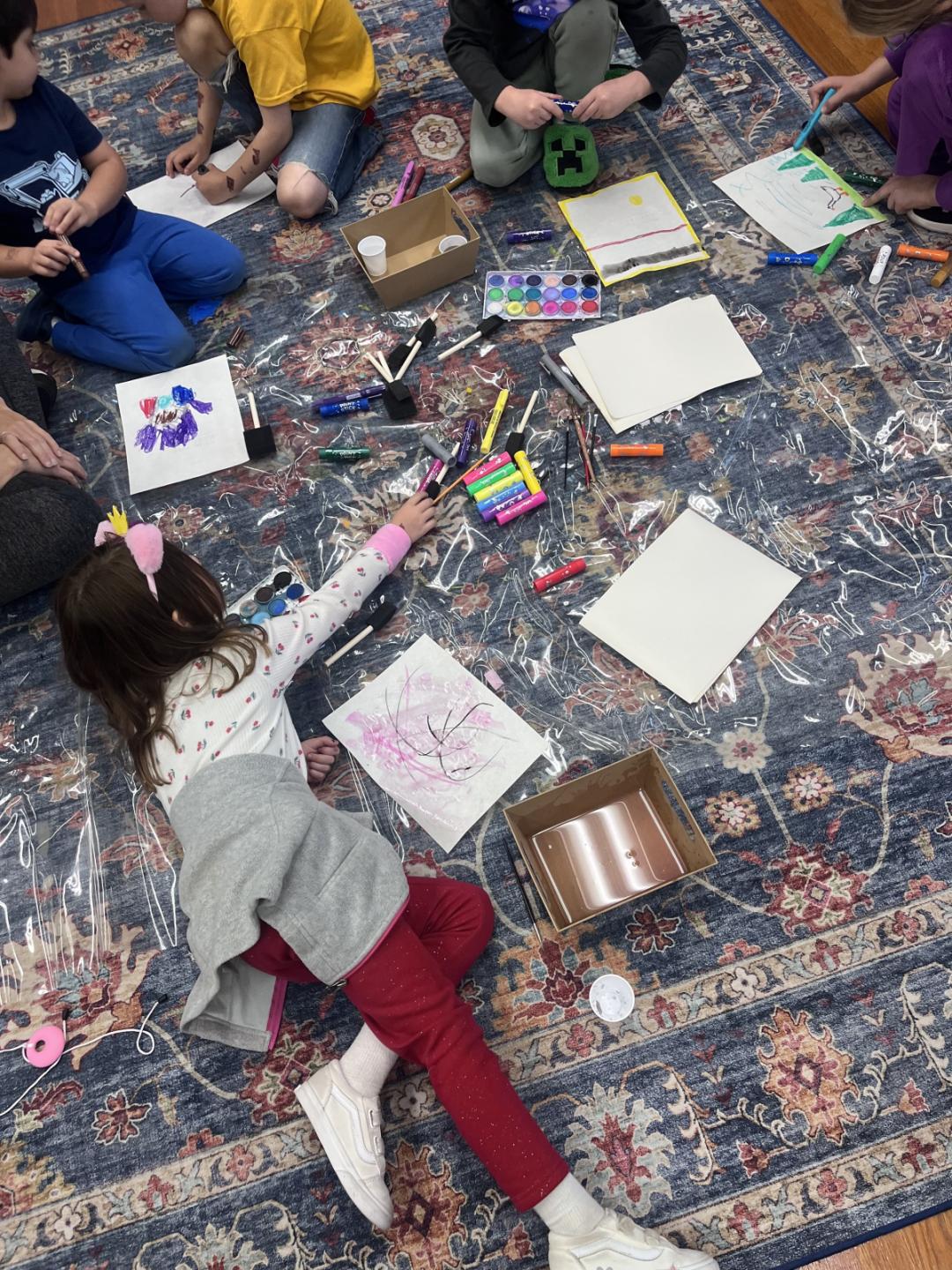
Sorting and Recycling: The Starting Point
Start with a sorting station: three bins labeled landfill, recycle, and compost, plus a pile of clean everyday items. Ask students to sort in pairs and explain each choice out loud. The talking is the point. You are teaching them to defend a decision, which is critical thinking in its smallest form.
Composting Food Scraps Without the Smell
A small countertop compost container with a lid, layered with dry leaves or shredded paper, will not smell if you turn it and keep the moisture balanced. Give each student a job: scrap collector, lid checker, or moisture tester. The learning outcome is decomposition, but the hidden lesson is responsibility. Watch out: dairy and meat scraps will turn a classroom bin unpleasant fast, so keep to fruit and vegetable scraps at school.
Growing Something Small: Herbs, Seeds, and Patience
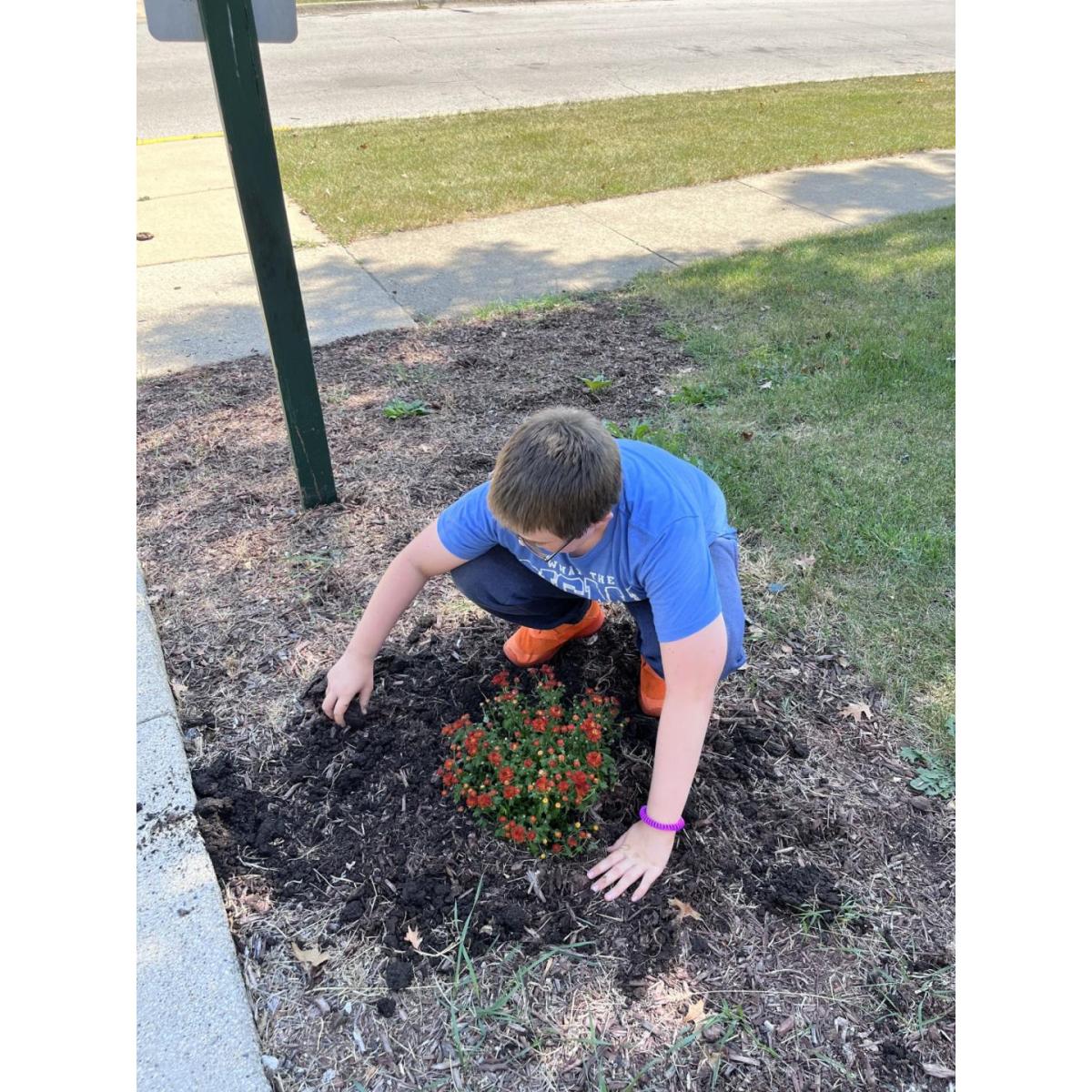
A reused egg carton, a spoonful of soil, and fast-sprouting seeds like basil or beans are enough. Children plant, water, and measure weekly. The patience piece matters more than the plant. If you want to take this further, you can grow food, save seeds, and find free support close to home through community growing programs.
Simple Sustainability Activities for Elementary Students at Home
Sustainability activities for elementary students at home work when they attach to routines the family already has. A grocery list made together becomes a lesson on packaging and food waste. A weekly walk with a litter bag becomes a neighborhood cleanup. The trick is naming the lesson out loud so it does not feel like a chore.
Energy and Water: Making the Invisible Visible
Energy and water are abstract until you make them visible. Have your child read the water meter before and after a shower, or count how many lights are on in empty rooms. Then let them design one fix, like a reminder sign by the switch. This is energy conservation and water conservation taught through observation rather than lecture.
Classroom Activities for Sustainability That Fit a School Day
Classroom activities for sustainability fit a school day when they run fifteen minutes and replace something you were already doing. A paper-free day teaches resource conservation without a single extra minute of planning. A classroom herb garden sits on the windowsill and doubles as a science observation station. A recycling sorting challenge can open a Monday morning. Time, more than ideas, is often the barrier for busy teachers. So we recommend choosing one routine and repeating it for a month rather than running five activities once. If you want to see what sustained, hands-on enrichment looks like in practice, our nature-based homeschool enrichment in Kane County shows how gardening, art, and STEM weave into a full eight-week rhythm.
Simple Sustainability Activities for Elementary Students Free of Cost
The simplest sustainability activities for elementary students free of cost rely on materials families and classrooms already throw away, plus a little planning. Cardboard becomes planters. Bottle caps become sorting tokens. Old shirts become craft fabric. Upcycling crafts made from recycled materials teach reuse better than any poster about the three Rs. Our advice: collect a shared "maker box" of clean recyclables over two weeks, then let students build.
Preparation time is often the real barrier, so build a low-prep kit once and reuse it all year.
For accessibility, offer alternatives so every student can participate. Students with limited mobility can sort items at table height, direct a partner during cleanup, or run the tally sheet. Students with sensory sensitivities can wear gloves for waste sorting, use tongs instead of hands, or observe the compost bin through a clear container rather than touching scraps. Keep scents low by rinsing containers before they go in the maker box.
Safety and hygiene matter more than the activity itself. Wash hands after handling waste or compost, keep sharp edges off cans and cardboard, and check for allergies before planting seeds or handling soil. A common pattern is to assign one adult to the compost bin and one to the sorting station so supervision stays close. Watch out: never sort unknown or dirty waste from bathrooms or lunch leftovers without gloves, and keep compost to fruit and vegetable scraps at school.
To make the free version measurable, run a simple waste audit before and after. Weigh or count one day's classroom trash, sort it into landfill, recycle, and compost, and record the totals on a chart. Repeat after two weeks of activities and let students compare. The learning outcome is data collection and reasoning, and the reflection prompt is simple: what changed, and why? Students see the direct result of their choices on a shared space.
Adapting Activities by Grade: K-2, 3-5, and What Changes
Adapting by grade is mostly about how much explanation and independence you expect. For K-2, keep activities sensory and short: sorting, planting, watering. For grades 3-5, add measurement, record-keeping, and student-led decisions. The table below shows how the same activity shifts across grade bands.
| Activity | K-2 Version | 3-5 Version | Learning Focus |
|---|---|---|---|
| Waste sorting | Sort three bins with pictures | Sort and debate tricky items | Classification, reasoning |
| Composting | Add scraps, observe | Track moisture and turning | Decomposition, responsibility |
| Herb garden | Water and observe | Measure growth, chart results | Data, patience |
| Energy audit | Count lights on | Design a fix and test it | Energy conservation |
| Litter cleanup | Short walk, one bag | Map where litter collects | Community, conservation |
Beyond the table, plan for time and adult support. K-2 activities usually run 10 to 15 minutes with one adult per small group, and the reading load should stay at picture cards and spoken instructions.
Materials can scale without cost. K-2 needs larger items for small hands, such as big bottle caps and cardboard pieces, and picture labels on bins. Grades 3-5 can use the same materials plus a clipboard, a simple tally sheet, and a ruler for plant measurement. If supplies are limited, pair students and rotate stations rather than skipping an activity.
Measurable outcomes make the grade adaptation visible. For K-2, use a sticker chart or a picture reflection: draw one thing you sorted or planted. For grades 3-5, use a simple waste audit count, a plant growth chart, or an energy observation log with dates and totals.
Safety and supervision shift by grade as well. K-2 students need close adult support around compost and any tools, and gloves should be available for waste sorting. Grades 3-5 can handle tongs, rulers, and clipboards with a safety reminder, but an adult should still check the compost bin and any outdoor cleanup route.
For teachers building a unit, map each activity to a clear outcome: science for decomposition and plant growth, math for counting and charting, literacy for reflection writing, and civic learning for cleanup and shared-space care. That mapping is what turns a fun list into a lesson plan, and it is the piece most activity lists leave out.
How Activities Build Community and Environmental Stewardship
Community and environmental stewardship grow from the same root: the sense that a place belongs to you and you belong to it. When children sort waste together, plant together, and clean a shared space together, they practice cooperation and harm repair in miniature. That is why we treat these activities as social-emotional learning, not just science. For families who want to extend the work at home, these emotional intelligence activities for kids pair naturally with stewardship lessons.
Bringing Sustainability Learning Home with Headwaters
The challenge is not finding activities; it is sustaining them long enough for habits to form. That takes a rhythm, a community, and adults who model the work. HEADWATERS is a nonprofit community farm and Montessori-inspired academy in Kane County, Illinois, and we build sustainability into the school day rather than bolting it on. Our small, intentionally human microschool environment pairs land-based learning with structured academics, and our teachers hold master's degrees and know how to make a fifteen-minute activity stick. Families who want ready-to-use lessons can start with our free, screen-free preschool activities you can do today, and families weighing a fuller program can explore our outdoor learning approach and how it supports academic performance. Get started with HEADWATERS and turn small daily activities into a lasting connection to the land.
Frequently Asked Questions
What are simple sustainability activities for elementary students?
The simplest ones use what is already around you: sorting recycling into labeled bins, collecting fruit and vegetable scraps for a small compost container, planting herb seeds in reused cartons, and tracking water use during handwashing. Each takes 15 to 30 minutes and needs no special equipment. The goal is repetition, not complexity. A child who sorts waste every week for a month learns more than one who does a single elaborate project.
How can elementary students practice sustainability at school?
Start with routines students own: a recycling monitor role, a paper-free day each week, and a classroom herb garden watered on a rotating schedule. Classroom activities for sustainability work best when they are tied to a job a child holds, because ownership builds the habit. Add a short reflection at the end of each week where students name one thing they changed and one thing that was hard.
Are these hands-on sustainability activities expensive to run?
Most cost nothing beyond what a classroom or home already has. Reused containers replace purchased planters, scrap paper replaces craft kits, and a walk around the block replaces a field trip. When you do need materials, prioritize secondhand and donated items. If you are evaluating a program or curriculum that charges for materials, ask what is included and request current pricing directly rather than assuming a figure.
What are the 5 C's of sustainability and do they apply to kids?
The 5 C's usually refer to clean, conserve, community, culture, and commerce. For elementary students, the useful ones are conserve and community. Conserve translates into turning off lights and saving water. Community translates into neighborhood cleanups and sharing what they learned with family. The other three are abstract for young children, so introduce them later. Keep the focus on actions a child can see and repeat.
How do you measure whether a sustainability activity actually worked?
Pick one number before you start. Count pounds of waste diverted, number of scraps composted, or days a paper-free rule held. Have students record it on a simple chart. Then ask two reflection questions: what changed, and what would you do differently. Measurable outcomes plus reflection turn an activity into learning, and they give you something concrete to share with families at the end of a unit.