 Listicle
Alternative Schools in Kane County: 2026 Guide
Table of Contents
- What Are Alternative Schools in Kane County?
- Benefits of Alternative Schooling for Your Child
- Nature-Based and Project-Based Learning Schools in Kane County
- Public Alternative Programs Through Kane County Schools
- Private Alternative Schools in Kane County and Nearby
- How to Choose an Alternative School That Fits Your Family
- Conclusion
- Frequently Asked Questions
Last Updated: October 2, 2026
What Are Alternative Schools in Kane County?
Alternative schools in Kane County offer learning environments that differ from traditional public school structures. These programs emphasize hands-on learning, smaller class sizes, individualized instruction, or specialized curricula, from nature-based education to project-based approaches to faith-centered learning.
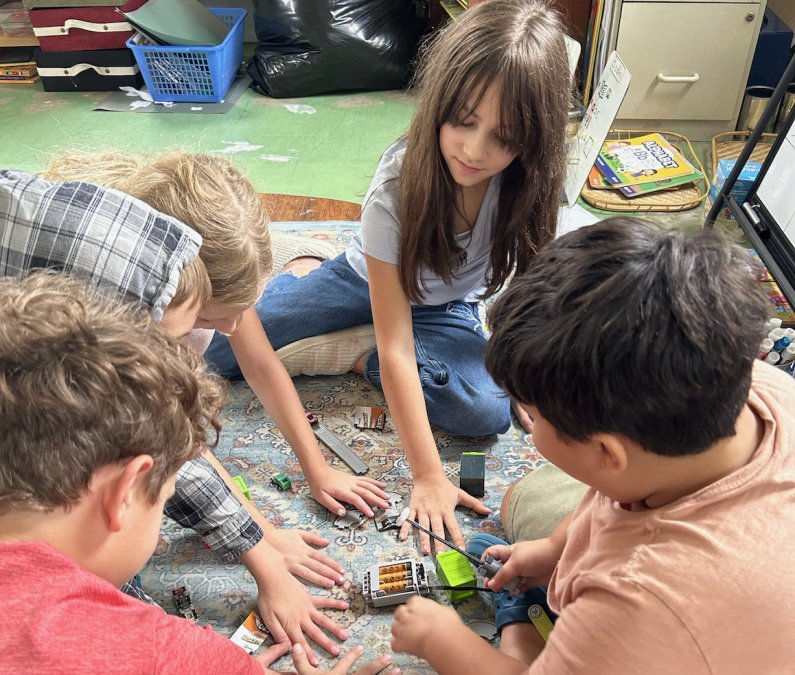
For families in Aurora and surrounding communities, alternative schools in Kane County range from public charter options to private institutions. Some focus on STEM and project-based learning. Others integrate Montessori philosophy or land-based education. A few serve students who need flexible scheduling or specialized support.
The choice between traditional and alternative education shapes how your child learns, who teaches them, and what they value.
Benefits of Alternative Schooling for Your Child
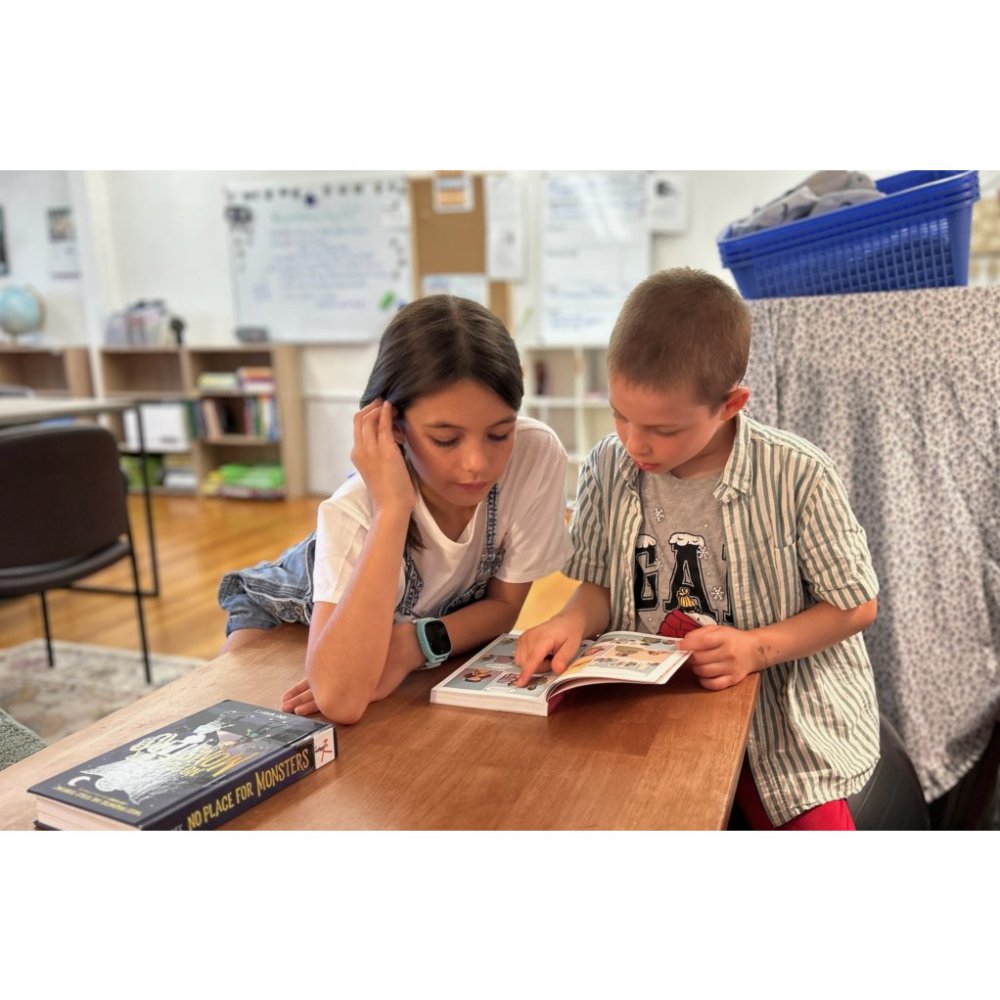
Alternative schooling works because it often aligns learning with how children actually develop. Smaller class sizes mean teachers know each student deeply.
When students have agency in their learning, when they choose projects, solve real problems, and see the impact of their work, engagement and retention improve.
Alternative schools also tend to prioritize social-emotional growth alongside academics. Explicit teaching of communication, conflict resolution, and emotional regulation builds resilience.
For families considering the shift from traditional school, the adjustment period matters.
Nature-Based and Project-Based Learning Schools in Kane County
Headwaters Community Farm & Academy
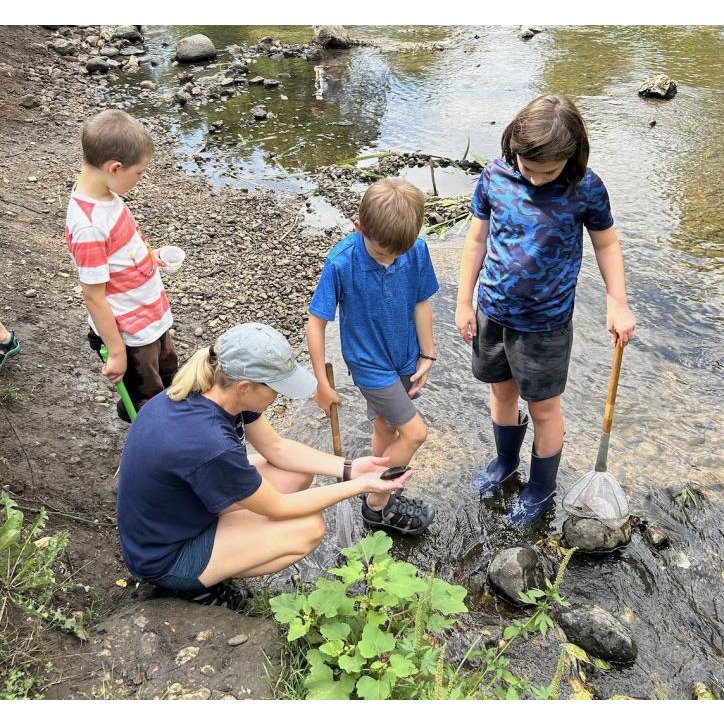
Headwaters Community Farm & Academy blends a nonprofit community farm with a Montessori-inspired K-8 academy.
The curriculum integrates Montessori principles, mixed-age classrooms, student-led learning, and concrete-to-abstract progression, with frequent outdoor exploration.
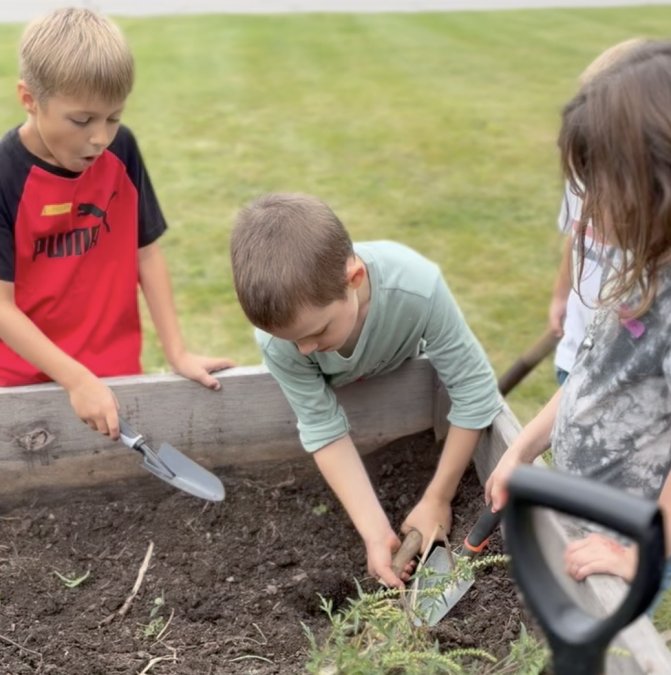
Headwaters serves families who value ecological awareness and community connection. The farm campus allows students to understand food systems, seasonal cycles, and their role as stewards.
Pros:
- Montessori and nature-inspired curriculum integrated with rigorous academics
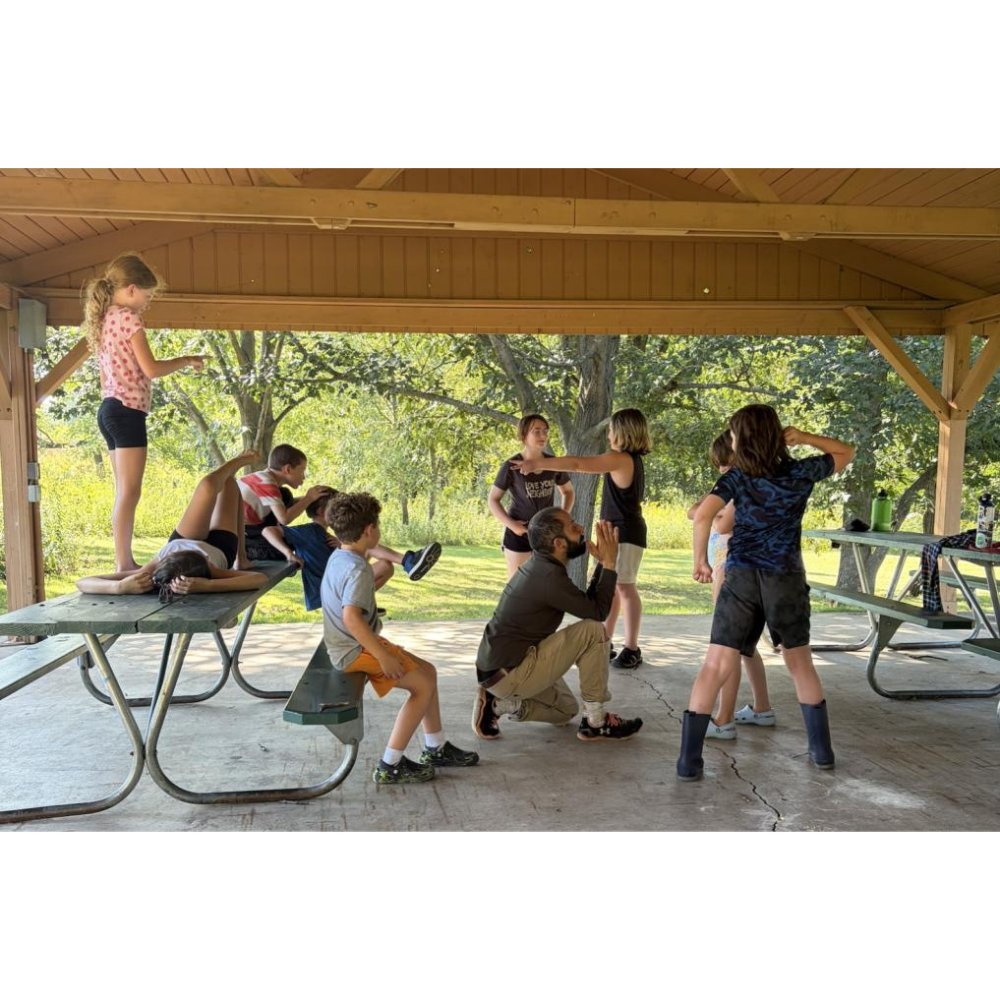
- Small, intentionally human microschool environment
- Land-based learning connects food systems and ecological awareness
- Explicit social-emotional teaching builds resilience and communication skills
- Integration of nonprofit community programming extends learning beyond academics
- Home Learning Resources available for families exploring nature-based approaches to learning
Cons:
- Newer program means less long-term track record than established schools
- Location may require commute for families outside Aurora area
- Tuition-based model (contact for current rates)
Best For: Families seeking Montessori philosophy with deep ecological connection, students who thrive outdoors, families committed to community-based learning.
Public Charter Alternatives
Kane County offers public charter schools that provide alternatives to traditional district structures while remaining tuition-free.
Elgin Math and Science Academy Charter School serves students K-8 with a STEM-focused curriculum using the EL Education model.
Both charter schools maintain academic rigor while offering different structures than traditional district schools.
Pros:
- Tuition-free public education
- Specialized focus (STEM, community-centered learning)
- Smaller than typical district schools
Cons:
- Admission by lottery; no guarantee of placement
- Limited grade levels compared to comprehensive high schools
- May have longer waitlists
Best For: Budget-conscious families, students interested in specialized academics, families wanting public school alternatives without tuition.
Public Alternative Programs Through Kane County Schools
The Kane County Regional Office of Education administers two state-mandated programs for students needing non-traditional support:
Regional Safe Schools Program (RSSP) serves students in grades 6-12 who are eligible for suspension or expulsion. This tuition-free program provides structured academics, behavioral intervention, and social-emotional support. Admission requires meeting specific criteria.
Alternative Learning Opportunities Program (ALOP) serves K-12 students needing flexible, non-traditional learning while staying connected to their home districts. Individualized learning plans address diverse needs.
Both programs keep students enrolled in their home districts while providing different structures. They work best for students facing barriers in traditional settings, whether attendance, behavior, or learning style mismatches.
Pros:
- Tuition-free
- Individualized learning plans
- Connection to home district maintained
Cons:
- RSSP requires disciplinary eligibility
- ALOP requires home district coordination
- Limited availability based on district participation
Best For: Students needing credit recovery, flexible scheduling, or behavioral support; families committed to staying within the public system.
Private Alternative Schools in Kane County and Nearby
Private schools offer specialized approaches and often smaller class sizes.
Harvest Christian Academy (Elgin) offers K-12 college-preparatory education with faith integration.
Aurora Christian Schools provides K-12 private education with rigorous academics and Christian curriculum.
Fusion Academy operates a national model of one-to-one instruction for middle and high school students.
Guiding Light Academy specializes in individualized education and support for diverse learners.
Pros (private alternatives generally):
- Specialized focus or approach
- Smaller class sizes
- Strong community culture
- Individualized attention
Cons:
- Tuition required for all private schools
- Limited enrollment capacity
- May have specific admission criteria
How to Choose an Alternative School That Fits Your Family
Start by clarifying what matters most to your family. Do you prioritize ecological connection? Academic rigor?
Visit in person. See classrooms, meet teachers, watch students work. Notice how adults interact with kids.
Understand the transition. If your child is coming from traditional school, ask how the program supports adjustment.
Check logistics. Consider commute, schedule, and whether the school's calendar works for your family.
Consider your child's needs. Does your child thrive with structure or autonomy? Indoors or outdoors?
| Factor | Questions to Ask | Red Flags |
|---|---|---|
| Philosophy | How does the school define learning? What are core values? | Unclear mission; philosophy doesn't match practice |
| Academics | How are math, literacy, science taught? What's the rigor level? | Vague curriculum; no clear standards |
| Community | How diverse is the student body? How do they build community? | Homogeneous enrollment; weak family involvement |
| Transition | How do you support students new to alternative learning? | No transition plan; assumes all kids adjust instantly |
| Outcomes | What happens to graduates? College acceptance rates? | No data; unwilling to share outcomes |
| Logistics | Schedule, location, commute, cost, calendar fit? | Requires unsustainable commute or hidden fees |
Conclusion
Alternative schools in Kane County offer real options for families seeking something different from traditional public education. Whether you're drawn to nature-based learning at Headwaters, the rigor of a STEM charter, the flexibility of a public alternative program, or the community of a private school, the landscape is broad enough to fit different values and needs.
The key is alignment: find a school whose philosophy matches your family's values, whose teaching approach fits your child's learning style, and whose community feels like home. Visit in person. Talk to families. Ask hard questions. The right choice will be clear.
At Headwaters Community Farm & Academy, we've built something intentional for families who believe learning works best when rooted in place, community, and real work. Our Montessori-inspired K-8 program, land-based curriculum, and explicit social-emotional teaching create an environment where kids cultivate curiosity, resilience, and a lifelong connection to the natural world. If that resonates with your family's values, we'd love to learn more about your child. Learn more about Headwaters and our approach to alternative education.
Frequently Asked Questions
What defines an alternative school in Kane County?
Alternative schools in Kane County offer non-traditional approaches to education, ranging from nature-based and project-based learning to specialized programs for students with different learning needs. Unlike traditional public schools, alternative schools often use smaller class sizes, individualized learning plans, and hands-on curricula. Some are public programs, while others are private institutions or charter schools. Each model prioritizes different outcomes, some focus on ecological awareness and community connection, while others emphasize STEM, flexible scheduling, or one-to-one instruction.
What are the benefits of alternative schooling compared to traditional schools?
Alternative schools cultivate curiosity, resilience, and social-emotional growth in ways traditional classrooms often don't. Project-based learning helps students develop critical thinking and problem-solving skills through real-world application. Smaller class sizes mean more individualized attention and stronger teacher-student relationships. Nature-based programs foster ecological awareness and a lifelong connection to the land. Many alternative schools also prioritize community building, explicit social-emotional regulation, and preparing students to think deeply about complex problems, skills that translate directly to academic success and personal fulfillment.
How do I choose the right alternative school for my child?
Start by identifying your family's core values and your child's learning style. Consider whether your child thrives outdoors, needs one-to-one attention, benefits from project-based learning, or requires a faith-based or specialized environment. Visit schools to observe classrooms and talk with teachers and current families. Ask about academic outcomes, social-emotional support, and how the school handles transitions (especially if your child is coming from traditional school). Consider logistics like commute time and whether the program aligns with your long-term educational goals. Many schools offer tours or trial days, use these to gauge fit.
Are there tuition-free alternative school options in Kane County?
Yes. Public charter schools like Elgin Math and Science Academy and Cambridge Lakes Charter School are tuition-free and provide alternative approaches to traditional district schooling. The Kane County Regional Office of Education also offers tuition-free programs like the Alternative Learning Opportunities Program (ALOP) and the Regional Safe Schools Program (RSSP) for eligible students. These public options provide flexibility and non-traditional learning without the cost of private tuition, though admission and eligibility requirements vary.
What makes project-based learning schools different in Kane County?
Project-based learning schools integrate real-world challenges and ecological systems into academic instruction. Students learn math, science, and literacy through active investigation of community and environmental issues rather than textbooks alone. Schools like Headwaters combine land-based learning with food systems education, while charter schools like Elgin Math and Science Academy use the EL Education model to connect projects to authentic outcomes. This approach deepens student engagement, builds ownership of learning, and develops the resilience and critical thinking skills employers and colleges value most.
For families in the Aurora area and throughout Kane County, the choice of school shapes not just academics but how your child sees themselves as a learner and their relationship to community and the natural world. Take time to explore what's available. The right fit exists.