 Listicle
Nature-Based Learning Kits for 2026: A Parent's Guide
Table of Contents
- What Nature-Based Learning Kits Offer Your Family
- Top Nature-Based Learning Kits Compared
- Age-Appropriate Selection: Matching Kits to Your Child
- Nature-Based Curriculum for Parents: Building Confidence
- Outdoor Education Resources in Kane County
- Nature Schooling for Beginners: Your First Steps
- How to Choose the Right Kit for Your Family
- Frequently Asked Questions
Last Updated: September 28, 2026
What Nature-Based Learning Kits Offer Your Family
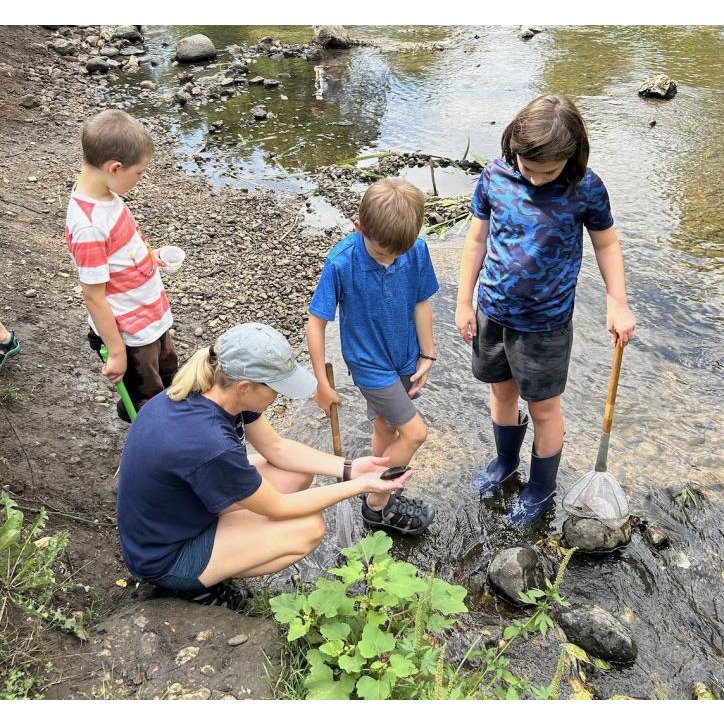
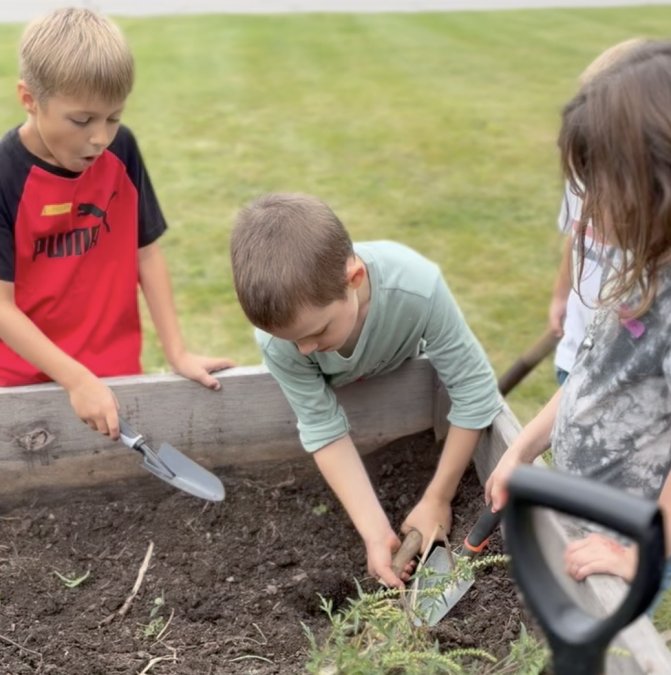
Nature-based learning kits transform how children connect with the outdoors while building genuine academic skills. Unlike worksheets confined to a desk, these kits invite kids to observe, question, and discover through direct experience with plants, animals, ecosystems, and natural systems. At HEADWATERS, we believe structured outdoor learning can cultivate genuine curiosity about how the world works.
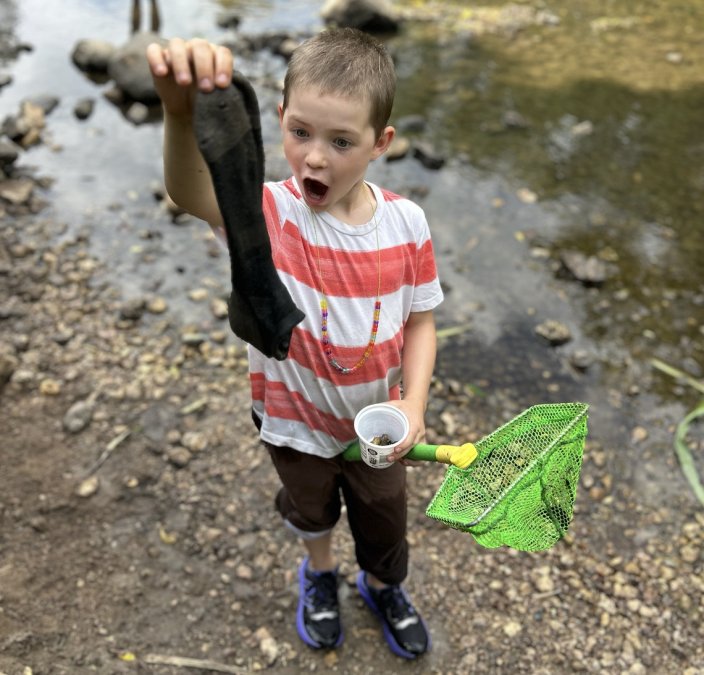
The real value isn't just the activities themselves. It's what happens when learning moves outside. Kids ask better questions. They develop patience. They learn to observe small details. They understand that failure, a failed seed, a missed animal sighting, is part of discovery, not something to fear. Many families find that nature-based learning builds confidence in ways traditional academics don't.
These kits vary widely in scope. Some focus narrowly on outdoor survival skills and navigation. Others integrate nature study with literature, art, and science across a full curriculum. A few emphasize early childhood sensory development through natural materials. The common thread: they all position nature as the primary teacher.
For families in and around Aurora, the choice matters. Your child's learning style, your available outdoor space, your comfort level with unstructured exploration, and how much parental guidance you want to provide, these shape which kit actually works for your family.
Top Nature-Based Learning Kits Compared
HEADWATERS: Land-Based Learning Integrated with Academics
HEADWATERS stands apart because it merges nature-based education with rigorous Montessori-inspired academics in a way most kits only attempt. Rather than treating outdoor learning as enrichment bolted onto traditional subjects, HEADWATERS integrates food systems, ecological awareness, and place-based project work directly into core academics. Your child learns math through real farm measurements, science through ecosystem observation, and literacy through documenting what they discover.
The program is built for families seeking something deeper than seasonal activities. It includes structured academics alongside outdoor exploration, explicit teaching of social-emotional skills, and a genuine community component. Our teachers are incredibly experienced, many holding master's degrees. The small microschool environment means your child isn't one of 25 in a classroom, they're known, challenged, and supported individually.
What makes this different: HEADWATERS isn't a kit you run at home. It's an educational ecosystem rooted in a nonprofit community farm. Families access both in-person academy programming and digital homeschool resources. The integration is real, not a curriculum that mentions nature, but one where nature is the foundation.
THiNK OUTSiDE: Outdoor Skill-Building Focus
THiNK OUTSiDE delivers monthly themed kits designed around progressive outdoor skills. Each box includes high-quality gear, rope, field guides, observation tools, paired with detailed activity guides covering topics like shelter building, navigation, nature journaling, and wilderness safety.
The program splits into two tiers: Junior (ages 4-7) and Standard (7-16+). This age-based structure means activities match developmental readiness. A five-year-old's shelter-building looks different from a twelve-year-old's, and THiNK OUTSiDE accounts for that.
What works here: The gear is genuinely useful, not disposable. Kids keep what they receive and build a real toolkit over time. The activity guides are clear and don't require extensive parent preparation. Screen time is zero, this is intentionally offline exploration.
The limitation: This works best if your family has regular access to outdoor space and genuinely enjoys unstructured time outside. If your child needs more academic structure or your outdoor access is limited, you'll feel the gap.
Blossom and Root: Integrated Nature Curriculum
Blossom and Root is a secular, nature-study-focused homeschool curriculum that weaves literature, art, science, and creative work into a cohesive program. Rather than separate subjects, learning flows from nature observation. A child might study a plant through botanical drawing, read poetry about seasons, investigate soil composition, and create art inspired by what they've observed.
The approach appeals to families who want structure but hate fragmentation. Each unit builds on previous ones. There's a clear progression. But the structure doesn't feel rigid, it feels like a natural arc of discovery.
What you're buying: A comprehensive curriculum framework plus guidance on sourcing materials for projects. You'll need to gather some supplies yourself, which requires planning but also lets you customize based on what's available locally.
Best suited for: Homeschooling families with time to source materials and who value creative integration over pre-packaged convenience.
KiwiCo: Science and Nature Exploration
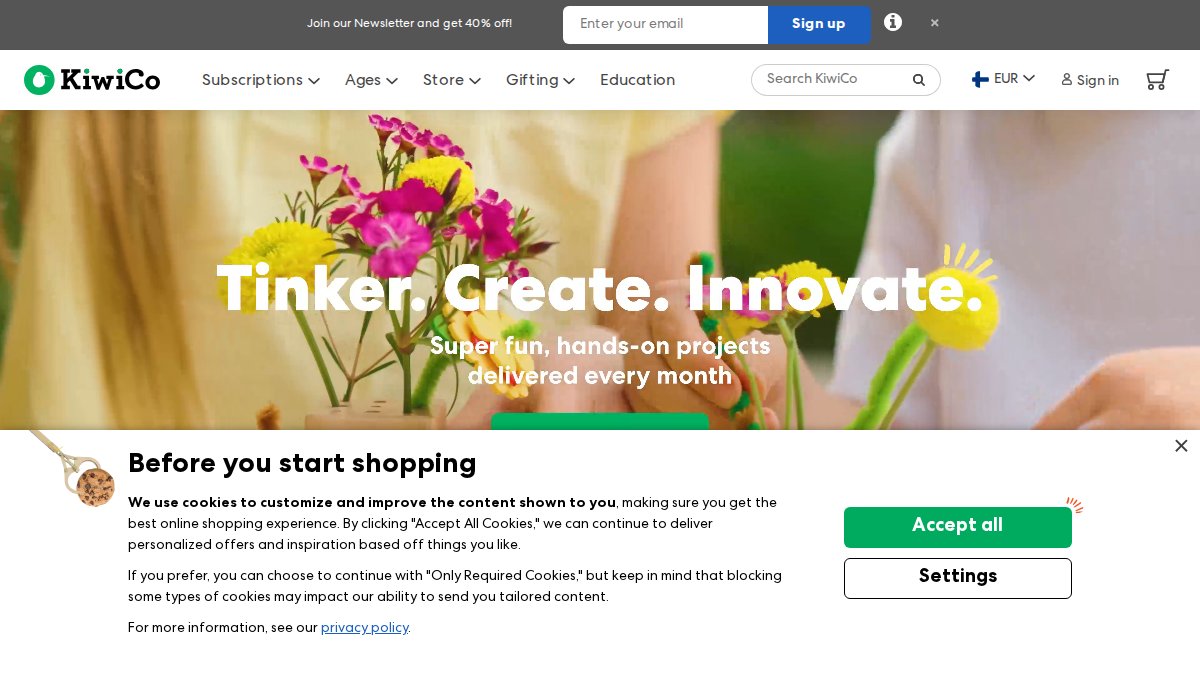
KiwiCo delivers monthly STEAM-focused crates with projects spanning engineering, art, and science. Many crates include nature exploration elements, building bird feeders, investigating ecosystems, creating terrariums, or conducting outdoor experiments.
The appeal is convenience. Everything arrives ready to use. Instructions are clear. Video tutorials support complex projects. For busy families, this removes friction.
The tradeoff: KiwiCo isn't exclusively nature-based. You're getting a mix of projects, some deeply connected to nature and others more craft-focused. If you want pure nature learning, you'll find yourself skipping some months.
Best for: Families wanting regular structured activities that often involve nature without committing to a full nature-based curriculum.
Timberdoodle: Complete Academic Integration
Timberdoodle curates full-year homeschool curriculum kits that include science, math, geography, and hands-on learning tools. Their nature-based offerings integrate outdoor exploration with academic rigor. You're getting a complete educational solution, not just activity boxes.
What matters here: Timberdoodle has vetted the materials. You're not hunting for individual resources. Everything arrives together, sequenced for the grade level.

Lovevery: Early Childhood Nature Play
Lovevery focuses on ages 0-4 with stage-based play kits emphasizing natural materials, wood, organic cotton, natural fibers. Each kit is designed around developmental milestones and sensory exploration.
Age-Appropriate Selection: Matching Kits to Your Child
The right kit depends on your child's age, learning style, and your family's outdoor access.
Nature-Based Curriculum for Parents: Building Confidence
Here's what most guides skip: many parents feel uncertain leading nature-based learning. You might not know the names of local plants. You might worry you're "doing it wrong." You might question whether unstructured outdoor time really counts as education.
Outdoor Education Resources in Kane County
Aurora and the surrounding Kane County area offer genuine advantages for nature-based learning. The Fox River provides direct access to riparian ecosystems. Local forest preserves, including Blackberry Farm, Big Woods, and Springbrook Prairie, offer free exploration space with established trails and educational programming.
Nature Schooling for Beginners: Your First Steps
Starting nature-based learning doesn't require purchasing a kit immediately. Begin with observation.
How to Choose the Right Kit for Your Family
| Factor | Questions to Ask | What It Means for Your Choice |
|---|---|---|
| Outdoor Access | Do you have regular access to natural space? How much time per week? | Limited access → choose kits that maximize small spaces. Regular access → choose open-ended exploration kits. |
| Parent Involvement | How much time can you dedicate? Do you want to guide learning or facilitate independence? | High involvement needed → Blossom and Root, HEADWATERS. Low involvement → THiNK OUTSiDE, KiwiCo. |
| Academic Integration | Is nature-based learning supplemental or your primary academics? | Supplemental → KiwiCo, THiNK OUTSiDE. Primary → HEADWATERS, Timberdoodle, Blossom and Root. |
| Child's Learning Style | Does your child prefer structure or open-ended exploration? | Structure-oriented → Timberdoodle, HEADWATERS. Explorer → Blossom and Root, THiNK OUTSiDE. |
| Budget Flexibility | Are you looking for affordable entry-level or willing to invest in comprehensive solutions? | Budget-conscious → THiNK OUTSiDE, free local resources. Comprehensive → HEADWATERS, Timberdoodle. |
| Age Range | What ages are you teaching? | Early childhood (0-4) → Lovevery. Elementary (5-10) → Most kits work. Middle school (11-14) → THiNK OUTSiDE Standard, HEADWATERS, Timberdoodle. |
The honest answer: there's no single "best" kit. There's the best kit for your specific family, your child's age, your outdoor access, and your educational goals.
Frequently Asked Questions
What are the benefits of nature-based learning for K-12 students?
Nature-based learning builds critical thinking, resilience, and ecological awareness while students engage with the natural world. Children develop stronger observation skills, learn scientific concepts through direct experience, and often show improved focus and emotional regulation. These kits also foster curiosity and creativity, qualities that support academic growth across all subjects, not just science.
How do I choose the right nature-based learning kit for my child?
Start with your child's age and interests. Younger children (4-7) benefit from sensory-focused kits like Lovevery, while older kids thrive with skill-building programs like THiNK OUTSiDE. Consider whether you want a complete curriculum (Blossom and Root, Timberdoodle) or supplemental activities (KiwiCo). Think about your available outdoor space and how much parent involvement you can provide. Most quality kits include activity guides to help you facilitate learning.
How can nature-based kits support Montessori-inspired learning at home?
Nature-based kits align with Montessori principles by encouraging self-directed exploration, hands-on discovery, and respect for the natural world. Look for kits that allow children to work at their own pace, offer real materials (not plastic replicas), and include observation activities. Curriculum-based options like Blossom and Root integrate nature study with literature and creative arts, mirroring how Montessori environments combine multiple disciplines through nature as a central theme.
Are there nature-based educational resources available in Kane County?
Yes. Headwaters Community Farm & Academy offers nature-based learning resources designed for families in Kane County and beyond. Their homeschool enrichment and home learning resources integrate land-based education with structured academics. They also provide digital resources and family learning kits that bring nature-based learning into your home, whether you're local to the area or learning remotely.
What should I look for in a high-quality nature education kit for 2026?
Prioritize kits with durable, natural materials; clear, age-appropriate instructions; and activities that encourage outdoor exploration or observation. Check whether materials are included or if you need to source supplies separately. Look for kits that integrate multiple learning areas (science, art, critical thinking) rather than single-skill focus. Read reviews from other parents about how engaging and educational the activities truly are, not just how fun they seem.