 Listicle
Benefits of Montessori Education: A Parent's Guide
Last Updated: October 23, 2026
Quick Summary
The benefits of Montessori education appear as observable outcomes: children build understanding through hands-on materials before moving to abstract symbols, practice self-regulation daily by choosing and completing work, and develop independence that carries over to home routines. Montessori education also supports emotional regulation, a stronger sense of self, and reduced anxiety over the long term.
- Elementary students start with physical materials they can touch, sort, and repeat before shifting to symbols and written abstraction.
- Montessori classrooms teach regulation by having children choose work, finish it, and restore the materials themselves.
- At home, set up a low shelf with three to five activities rotated weekly and real tools sized for small hands.
- Ask any school how it handles a child who chooses nothing, and whether teachers are trained and work periods uninterrupted.
- The word Montessori is not trademarked in the United States, so any school can use it regardless of quality.
Table of Contents
- What the Benefits of Montessori Education Actually Look Like
- Montessori Education Benefits for Elementary Students
- How Montessori Education and Child Development Work Together
- Independence and Self-Direction: The Everyday Payoff
- Montessori Learning at Home: What Parents Can Realistically Do
- Where Montessori Falls Short: Honest Considerations
- What to Look for in a Montessori-Inspired School
- Conclusion
- Frequently Asked Questions
What the Benefits of Montessori Education Actually Look Like
The benefits of Montessori education show up slowly, then all at once. A child who spent months pouring water between two jugs suddenly writes a full paragraph without being asked. A seven-year-old who struggled to name a feeling starts saying, "I need a minute," and takes one. Those moments are the point.
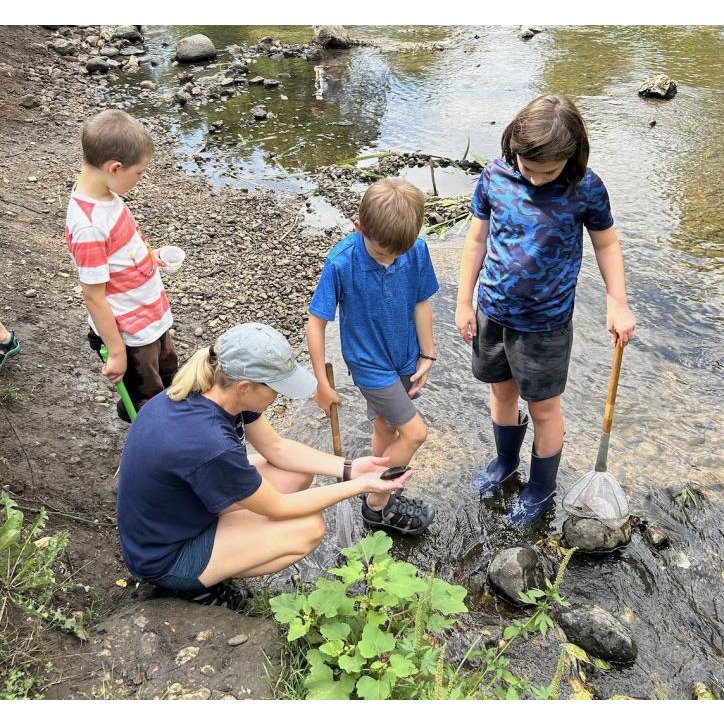
At Headwaters, our Montessori-inspired academy in Aurora, IL sits on a working farm, and we watch this unfold daily. We're a young school, and we're honest about what we know and what we're still learning.
Here's what most guides get wrong: they sell Montessori as a philosophy. It's better understood as a set of observable outcomes you can look for in any classroom, including a traditional one.
Montessori Education Benefits for Elementary Students
Elementary students gain most from Montessori's habit of moving from the physical to the abstract. A child who has held and counted a physical material understands place value in her hands before she meets it on paper.
That sequence matters. In a Montessori elementary classroom, math, language, and science start with objects students can touch, sort, and repeat. Only later does the work shift to symbols and written abstraction.
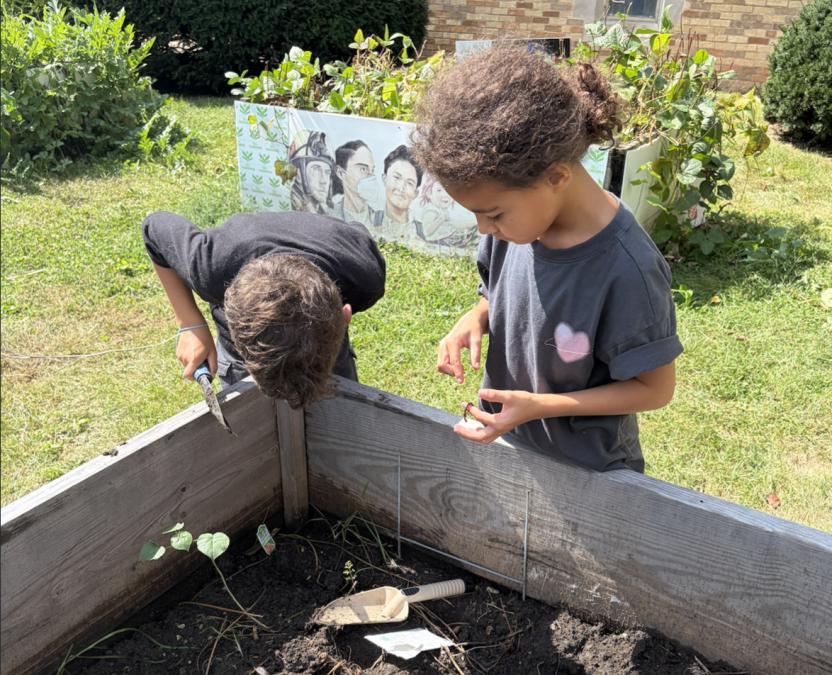
From Concrete Materials to Abstract Thinking
Montessori education benefits for elementary students hinge on this progression. Students build understanding through repeated hands-on work, then generalize.
The American Montessori Society's family overview describes this arc across academic, social, and emotional development.
How Montessori Education and Child Development Work Together
Montessori education and child development are linked through one idea: children develop self-regulation by practicing it, not by being told about it. A classroom that expects children to choose work, finish it, and restore the materials teaches regulation in small daily doses.
The Montessori Foundation's discussion of long-term mental health names emotional regulation, a stronger sense of self, and reduced anxiety as areas where families report lasting gains.
Emotional Regulation and the Long Game
Regulation is not a soft skill. It's the foundation for everything else, and it takes years. We teach it explicitly, the way you would teach multiplication: name the feeling, name the choice, practice the choice.
Independence and Self-Direction: The Everyday Payoff
Independence is the benefit parents notice first, usually at home. A child who plans her morning work in class starts packing her own bag without reminders.
That's not a personality trait. It's a trained habit. Montessori classrooms give children real choices within clear limits, then hold them accountable for the result.
Montessori Learning at Home: What Parents Can Realistically Do
Montessori learning at home works best when it's small and repeatable. You do not need a shelf of wooden materials. You need a few routines your child can own.
Start with these:
- A low shelf with three to five activities, rotated weekly
- Real tools sized for small hands, not toys that imitate them
- A predictable "work then restore" rhythm after each activity
- One daily practical-life task your child does without help
If you want a starting point, you can download free preschool activities that need no prep and no special materials. For families who want a structured tool, our Food & Feelings kit teaches emotional intelligence through food, stories, and play. And if you're homeschooling or blending approaches, our Homeschool Enrichment and Home Learning Resources are there to support the work you're already doing at home.
Where Montessori Falls Short: Honest Considerations
Montessori isn't the right fit for every child, and we'd rather say so. Some children need more structure than a free-choice work cycle provides, at least for a season. Others thrive on competition that Montessori classrooms tend to downplay.
Quality also varies enormously. The word "Montessori" is not trademarked in the United States, so any school can use it. Ask about teacher training and how much uninterrupted work time children actually get. A program that shortens the work cycle to fit a schedule is not delivering the method.
What to Look for in a Montessori-Inspired School
Look for three things: trained teachers, long uninterrupted work periods, and evidence that children restore their own materials. Those three reveal more than any brochure.
Sit in a classroom and watch. Do children move with purpose? Does the teacher observe more than she directs? Are the materials complete and in good repair?
If you're weighing options, our guide on how to choose a private school in Aurora walks through the questions worth asking. When you're ready, you can start the admissions conversation and see whether our farm campus fits your family.
To see how our model translates Montessori principles into daily practice, explore the Headwaters model.
Three observable features tell you more about a program than any brochure.
| What to look for | What it reveals |
|---|---|
| Trained teachers | Teacher training quality |
| Long uninterrupted work periods | Whether the method is delivered |
| Children restore their own materials | Real ownership and accountability |
| Teacher observes more than she directs | Purposeful, self-directed children |
| Materials complete and in good repair | Classroom quality and care |
Conclusion
Finding a school that takes your child's development as seriously as you do is harder than it should be. We built Headwaters to be that school: a small, Montessori-informed academy on a working farm in Kane County, with land-based learning, explicit social-emotional teaching, and teachers who know every child by name. If you're searching for a Montessori-inspired school near me in the Aurora area, come visit. Get started with Headwaters and see what a calm, purposeful classroom looks like in person.
Frequently Asked Questions
What are the main benefits of Montessori education?
Families often point to three clusters: growing independence, stronger social-emotional skills, and a genuine love of learning. Montessori classrooms let children choose work within limits, which builds decision-making and follow-through. Multi-age groupings give younger kids models to watch and older kids practice mentoring. The American Montessori Society describes benefits across academic, social, and emotional development, and the Montessori Foundation highlights long-term themes like emotional regulation and a stronger sense of purpose. Your child's experience will vary by school, teacher, and how long they stay in the program.
Does Montessori education improve academic outcomes for elementary students?
Research is mixed but worth reading carefully. Brookings has covered studies linking guided play and Montessori approaches to stronger pre-K outcomes, and U.S. News has reported on studies showing benefits that may differ across student groups, including by income level. The honest takeaway: Montessori education tends to support strong foundations in math, language, and problem-solving, but no single approach guarantees results. Ask any school you're considering how they track progress and what their graduates do next.
How can parents support Montessori learning at home?
Start smaller than you think. Set up a low shelf with a few rotating activities, let your child pour their own water and tidy their own space, and resist the urge to correct their work mid-process. Observe before you intervene. If you want structure, look for homeschool enrichment programs or digital resources that align with Montessori principles rather than piecing together worksheets. The goal is a prepared environment and unhurried time, not a replica classroom in your living room.
Is Montessori education a good fit for every child?
No, and schools that claim otherwise are overselling. Montessori tends to suit children who thrive with autonomy and hands-on work, but some kids need more explicit structure, faster pacing, or louder social environments. Children with certain learning differences may flourish in Montessori and struggle in it, depending on the school's supports. Visit a classroom, watch your child in it, and ask how the school handles a child who isn't settling in. Fit matters more than philosophy.