 How-to
How to Integrate Montessori Principles at Home
Table of Contents
- Understanding What Montessori Principles Actually Mean
- Setting Up a Montessori Home Environment
- Teaching Practical Life Skills for Children
- Montessori vs Waldorf for Elementary Students
- Integrating Montessori Principles Into Daily Routines
- Common Mistakes to Avoid
- Frequently Asked Questions
Last Updated: October 2, 2026
Understanding What Montessori Principles Actually Mean
Montessori principles are a philosophy of education built on respect for the child's natural development and independence. Dr. Maria Montessori created this approach over a century ago, but it's not just about fancy wooden toys or letting kids do whatever they want. It's a structured system grounded in observation and the belief that children learn best when they're free to explore within carefully prepared environments.
The core idea is simple: children are naturally drawn to learn. Your job isn't to force information into their heads. It's to set up spaces and experiences where learning happens because they want it to happen.
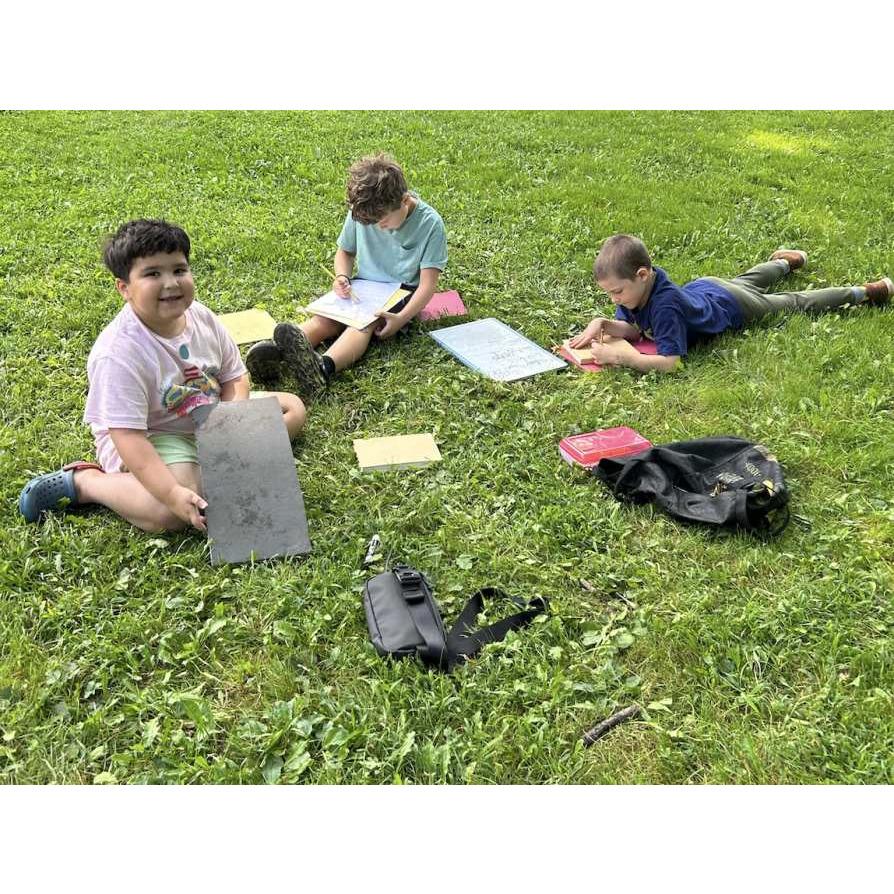
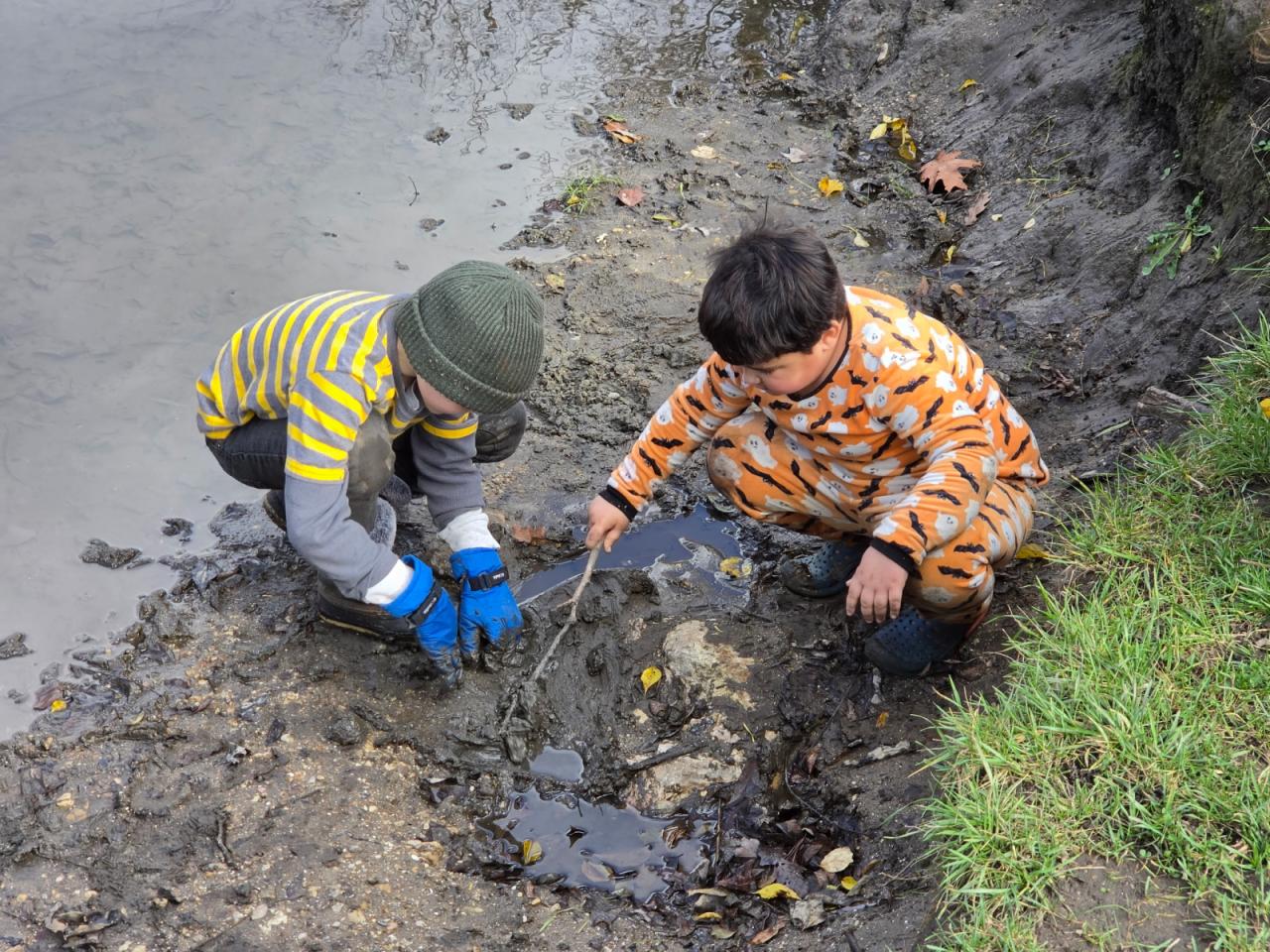
At HEADWATERS, we've built our K-8 academy around Montessori principles combined with land-based learning. We've seen firsthand how children thrive when they have real choices, real work, and real responsibility. A child choosing to spend 45 minutes organizing seeds by size isn't wasting time. They're developing focus, fine motor skills, and mathematical thinking all at once.
The key principles you need to know:
- Self-directed learning, Children choose their own activities within a prepared environment
- Hands-on materials, Learning happens through touching, manipulating, and exploring real objects
- Mixed-age groups, Older children help younger ones; younger children aspire to what they see older children doing
- Practical life skills, Everyday tasks like cooking, cleaning, and caring for plants are central to learning
- Respect for the child's pace, Some children need more time with one concept before moving forward
This isn't theory we're sharing. It's how we've organized our classrooms and how families across the region are rethinking learning at home.
Setting Up a Montessori Home Environment
Creating a Montessori space at home doesn't mean buying expensive materials or redesigning your entire house. It means thinking about your space from your child's perspective and making learning visible and accessible.
Creating Spaces for Independence
Start by getting low. Literally. Crouch down to your child's eye level and look around your home. Can they reach their own dishes? Their own books? Their own coat? If the answer is no to most of these, that's where you begin.
Children need access to:
- Low shelves they can reach without asking for help
- A step stool in the bathroom so they can wash their hands independently
- Hooks at their height for coats and bags
- A place to store their own belongings
The goal is to remove the need for them to ask "Can I?" all day long. When a five-year-old can pour their own water, get their own snack, and choose their own activity, something shifts. They feel capable. They stop waiting for permission.
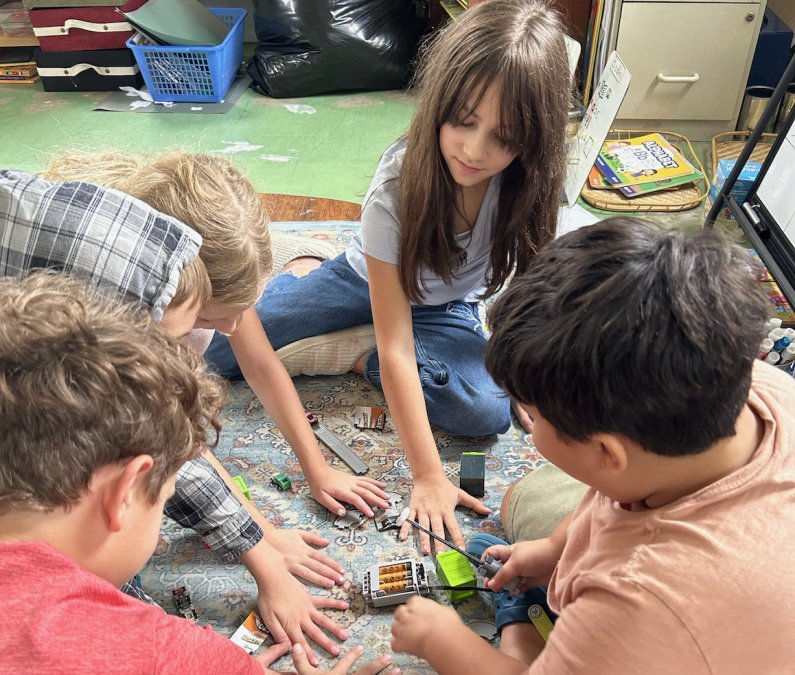
One practical tip: group items by activity, not by type. Instead of "all the art supplies in one drawer," create a basket with paper, colored pencils, and scissors together. When materials are grouped by purpose, children understand what they can do with them.
Choosing Materials That Matter
The materials you choose matter more than how many you have. A child with five carefully selected items will learn more than a child overwhelmed by fifty.
What to look for in Montessori materials:
- Real, not plastic, Wooden spoons, glass bowls, metal bells. Real materials teach children how the world actually works
- Single-purpose items, A wooden puzzle teaches shapes; a set of nesting bowls teaches size gradation. Avoid toys that do multiple things
- Natural materials, Wood, metal, glass, stone, fabric. These appeal to children's senses and connect them to the natural world
- Self-correcting, The material itself shows the child if they've made a mistake. A puzzle won't fit if the piece is wrong
- Beautiful, If you wouldn't want it in your living room, your child probably doesn't need it
You don't need to buy special "Montessori materials." A wooden spoon, a real bowl, a basket of pinecones, and a small broom are all Montessori materials. What matters is that they're real, purposeful, and accessible.
Start with practical life materials. A child learning to care for plants, set a table, or wash dishes is learning mathematics, language, and responsibility all at once. These aren't separate subjects. They're woven into real work.
Teaching Practical Life Skills for Children
This is where Montessori comes alive. Practical life skills aren't something to rush through. They're the foundation of everything else.
When a child learns to fold a cloth, they're developing:
- Fine motor control
- Sequencing and planning
- Patience and focus
- Pride in their own capability
Start with activities your child can complete from beginning to end. Washing a table is better than washing a dish. Sweeping a small area is better than sweeping the whole kitchen. Your child needs to see the entire job, do the entire job, and see the results of their work.
Activities to integrate into daily life:
- Preparing simple meals (spreading butter, tearing lettuce, measuring ingredients)
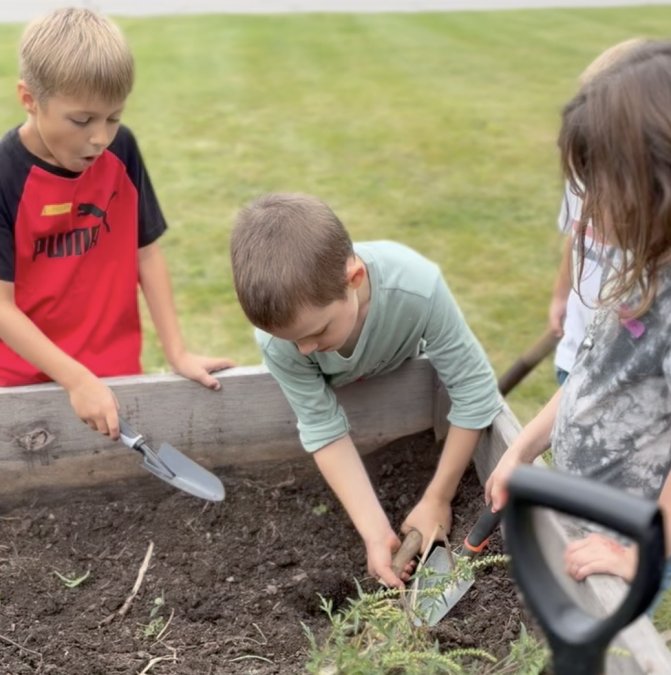
- Caring for plants (watering, repotting, observing growth)
- Cleaning (wiping tables, sweeping, organizing)
- Caring for animals (if you have pets)
- Laundry (sorting, folding, putting away)
- Setting and clearing the table
- Simple repairs (hammering nails, using a screwdriver)
The key is to let them do it, even if it takes three times as long. A four-year-old pouring water will spill. That's the point. They're learning through their hands and their mistakes.
Montessori vs Waldorf for Elementary Students
If you're exploring how to integrate Montessori principles and you've also heard about Waldorf education, you might be wondering which one fits your family. They're different approaches, and understanding the differences helps you choose what's right for your child.
Montessori emphasizes self-directed learning within a prepared environment. Children choose their activities. The materials are concrete and mathematical. Independence is the goal. Learning happens through hands-on exploration of real objects.
Waldorf emphasizes imagination, artistic expression, and rhythm. Teachers guide learning more actively. The approach is more holistic and story-based. There's a strong focus on seasonal rhythms and the child's developmental stages.
Here's what matters: both approaches respect the child's development. Both move away from worksheets and passive learning. But they feel different in practice.
In a Montessori classroom, you'll see children working independently with materials. In a Waldorf classroom, you'll see more teacher-led storytelling and artistic activities. A Montessori child might spend 30 minutes with a math material of their own choosing. A Waldorf child might spend that time in a guided artistic project.
For elementary students, consider:
- Does your child thrive with choice and independence, or do they need more structure and guidance?
- Do they learn better through concrete materials or through imagination and storytelling?
- Does your family value mathematical precision and logic, or artistic expression and creativity?
Many families blend both approaches. You can integrate Montessori principles into daily life while also honoring the rhythm and imagination that Waldorf brings.
Integrating Montessori Principles Into Daily Routines
The real work of Montessori happens in the everyday moments. It's not about special activities or designated learning times. It's about how you approach the ordinary things your family already does.
Morning routine:
- Let your child choose what to wear (within limits)
- Have them prepare their own breakfast if possible
- Give them a real job (feeding the pet, watering plants, setting out dishes)
During the day:
- Offer choices: "Would you like to read or build?" not "Go play"
- Let them work until they're done, not until you think they should be done
- Observe more than you direct
Evening routine:
- Include them in meal preparation
- Have them help with cleanup
- Reflect on the day together
The shift from traditional parenting to Montessori parenting is subtle but profound. Instead of telling your child "Go clean your room," you create a system where they can clean it independently. Instead of doing things for them, you show them how once, then step back.
This takes patience. A child learning to tie their shoes will fail many times. But each failure is learning.
Common Mistakes to Avoid
Parents who embrace Montessori principles often make the same mistakes. Knowing what to avoid saves you time and frustration.
Mistake 1: Too much choice overwhelms children. If your child has 50 activities to choose from, they'll freeze. Start with 5-7 options. As they get older and more capable, gradually add more.
Mistake 2: Buying expensive "Montessori materials" instead of using what you have. A real wooden spoon works as well as a material that costs $30. Start with what's in your kitchen and your yard.
Mistake 3: Letting go of all structure. Montessori isn't unstructured.
Frequently Asked Questions
What are the core Montessori principles I should integrate into my home?
The core principles center on child-led learning, independence, and hands-on exploration. Children learn best when they choose their own activities from prepared options, work at their own pace, and experience natural consequences. Respect for the child's developmental stage, mixed-age learning when possible, and uninterrupted work periods form the foundation. These principles recognize that children are naturally curious and capable of directing their own learning when given the right environment and support.
How do I encourage independence using Montessori principles?
Start by organizing materials at your child's height so they can access and return items without asking for help. Demonstrate activities once, then step back and let them practice. Resist the urge to correct or rush them. Offer real choices: 'Would you like to work with the beads or the puzzles?' Assign age-appropriate responsibilities like setting the table or caring for plants. When children manage their own learning and contribute to household life, they develop confidence and capability naturally.
Can Montessori principles work alongside other educational approaches like Waldorf?
Yes. Both philosophies value child-centered learning and hands-on exploration, though they differ in approach. Montessori emphasizes self-directed choice and practical life skills, while Waldorf integrates imagination, arts, and developmental rhythms more explicitly. Many families blend elements successfully by using Montessori's practical life framework and independence-building strategies while honoring Waldorf's attention to creative expression and natural developmental stages. The key is choosing elements that align with your family's values and your child's learning style.
What materials do I actually need to integrate Montessori principles at home?
You don't need expensive commercial materials. Start with what you have: wooden spoons, bowls, fabric scraps, and natural objects like stones and shells. Add simple tools your child can use safely, such as child-sized scissors, a small dustpan, and a watering can. Puzzles, blocks, and open-ended toys work better than screens. The goal is real, purposeful materials that invite exploration and problem-solving. Gradually add items as you observe what interests your child, rather than buying a complete kit upfront.