 How-to
Nature-Based Learning for Elementary: A How-To Guide
Table of Contents
- What Nature-Based Learning for Elementary Actually Means
- Benefits of Outdoor Education for Elementary Students
- Getting Started: Five Steps to Implement Nature-Based Learning
- Nature-Based Curriculum Integration for Core Subjects
- Building Community and Resilience Through Outdoor Learning
- Common Mistakes to Avoid
- Resources and Next Steps
- Frequently Asked Questions
Last Updated: September 30, 2026
What Nature-Based Learning for Elementary Actually Means
Nature-based learning for elementary is education that happens outdoors, where kids learn core subjects through direct experience with plants, animals, soil, water, and weather. It's not recess with worksheets. It's math through measuring seedlings, reading through journaling what you observe, science through touching soil and watching decomposition happen.
At HEADWATERS, we've seen what happens when elementary students engage in nature based learning for elementary: they ask better questions. They remember what they learn. They care about their work in ways that don't happen at a desk.
The core idea is simple. Kids learn best when they're engaged with real things. A frog in a pond teaches more about ecosystems than a textbook picture ever will. Building a raised bed teaches fractions and planning at the same time. When learning is rooted in place, in the actual land where your school sits, it sticks.
This isn't nature class added to an otherwise indoor day. It's a restructuring of how learning happens. Your elementary students spend significant time outside. They study the same math, reading, and science standards. But they learn them through observation, experimentation, and work with real materials.
Benefits of Outdoor Education for Elementary Students
When elementary students learn outside, something changes. They move more. They focus better. They're less anxious.
Kids who spend time in nature develop problem-solving skills. They encounter real obstacles: a tool breaks, the weather shifts, a plant dies. They have to figure it out. That's resilience building itself.
Outdoor education builds genuine curiosity. A child who reads about photosynthesis might forget it by next week. A child who watches a plant grow from a seed she planted, watered, and tended for two months? She understands photosynthesis.
Benefits of outdoor education for elementary students include:
- Focus and less fidgeting during learning
- Memory for concepts learned outside
- Willingness to try hard things
- Anxiety and emotional regulation
- Understanding of ecological systems
- Sense of belonging to a place and community
Social-emotional learning happens naturally outdoors. Kids work together to build something. They share tools. They solve problems as a group. They see themselves as capable.
Getting Started: Five Steps to Implement Nature-Based Learning
Implementing nature-based learning for elementary doesn't require a farm or a budget you don't have. It requires intention and a willingness to learn alongside your students.
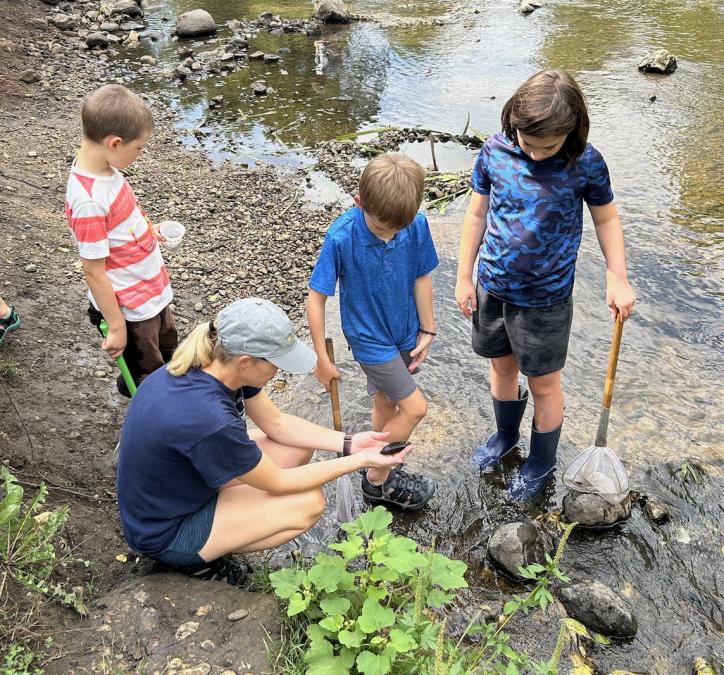
Step 1: Define Your Learning Goals and Outcomes
Start by asking: What do I want my students to know and be able to do? Write it down. Then ask: How could they learn that outside?
Your learning goals don't change. Your elementary students still need to master fractions, reading comprehension, and scientific method. The change is HOW they get there. Fractions work the same whether you're dividing a pizza or dividing a garden plot into sections.
Document what you're aiming for. Are you building curiosity? Academic rigor? Resilience? Community connection? All of those? Be specific. Your goals shape every decision that follows.
Step 2: Choose Your Outdoor Learning Spaces
You don't need wilderness. You need a space where kids can observe, dig, plant, or build. A garden plot works. A wooded area works. A meadow works. Even a small courtyard with containers works.
If you're in Aurora or the surrounding areas, look for:
- School grounds you already have access to
- Local parks with permission to use them
- Community gardens that welcome educational programs
- Natural areas within walking distance
Visit the space in different seasons. Notice what grows there. Notice where water collects. Notice where kids naturally gather. That information shapes what you can teach.
Start small. One garden bed teaches more than planning five beds you never finish. Build from there.
Step 3: Design Place-Based Learning Activities for Kids
Place-based learning activities for kids are lessons that use your specific location as the curriculum. They're not generic activities you could do anywhere. They're rooted in what's actually growing, what's actually there.
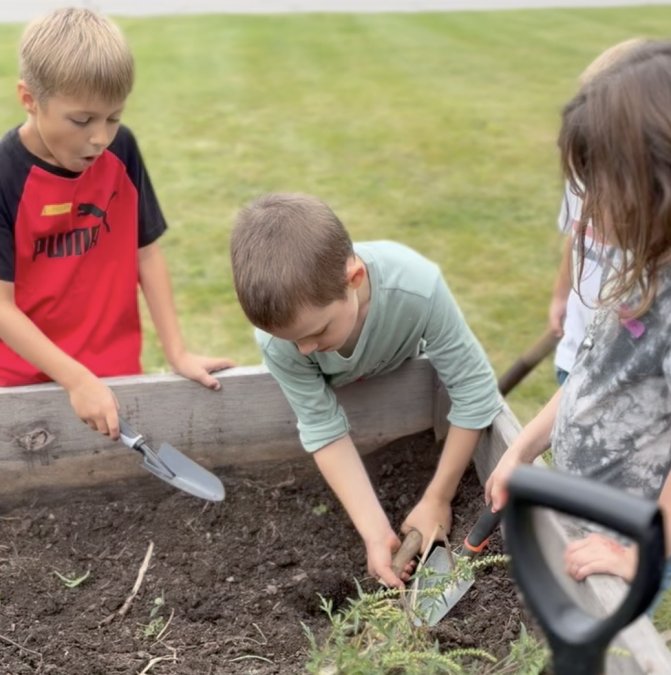
If you have a garden space, your elementary students might:
- Plant seeds and track growth using measurement and graphing
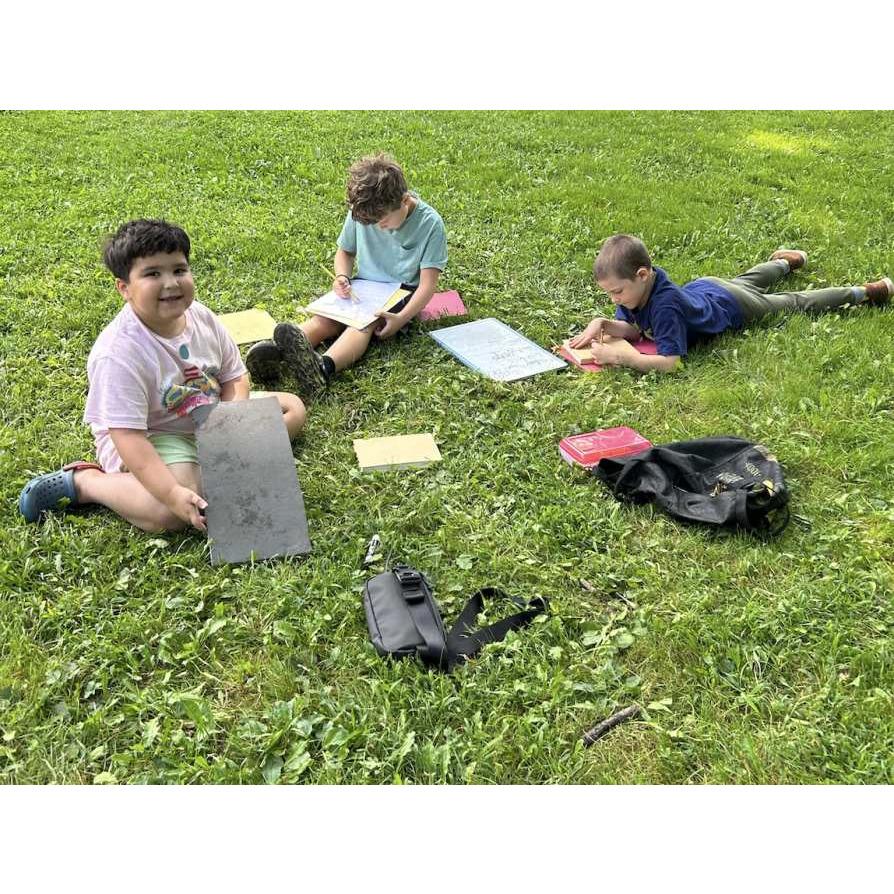
- Journal observations and write narratives about what they see
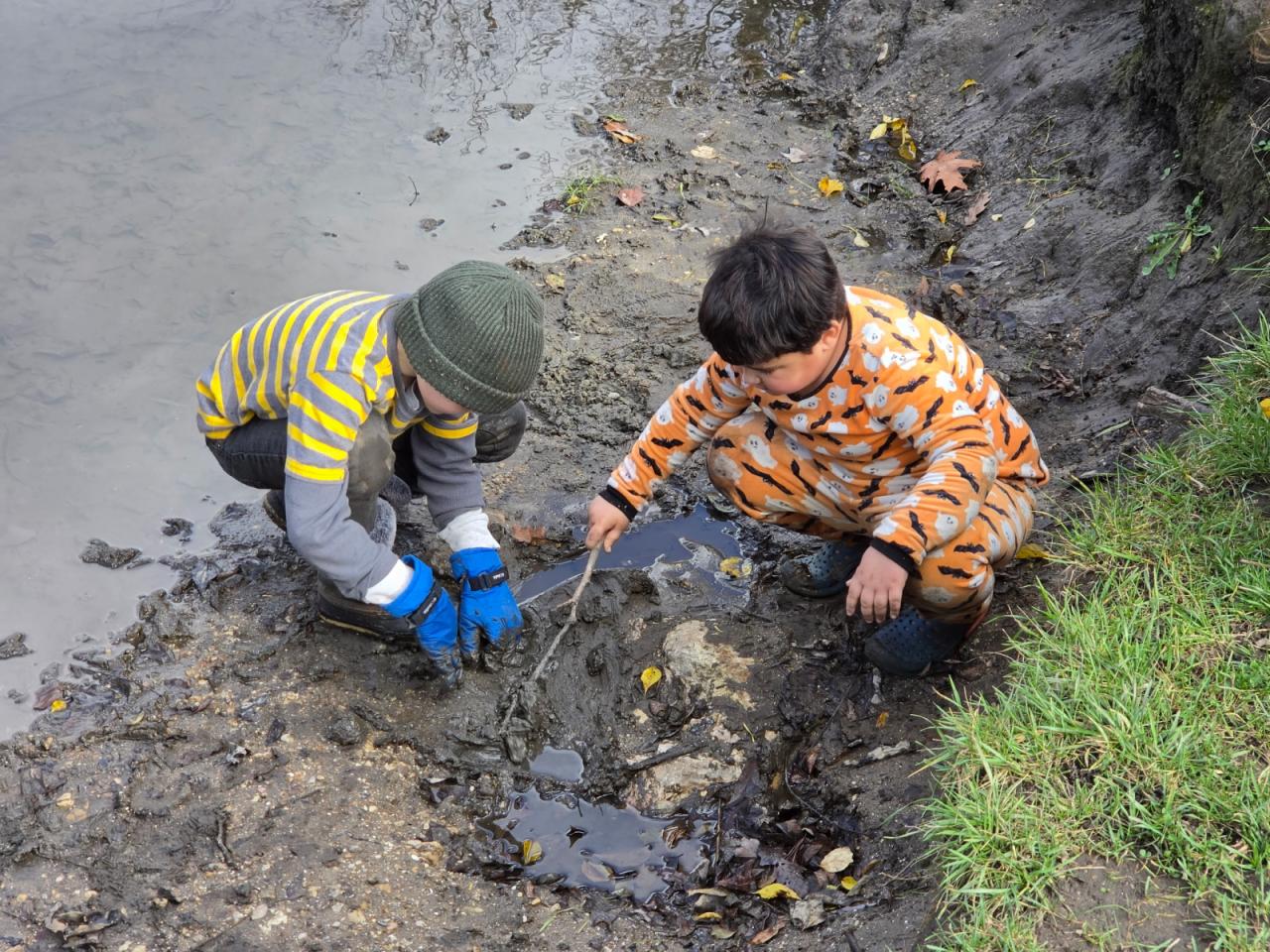
- Study decomposition by building a compost pile
- Investigate soil composition and organisms
- Plan and build structures (raised beds, trellises, pathways)
If you have a wooded area, your students might:
- Map the space and identify native plants
- Study food webs by observing predators and prey
- Collect natural materials and create art
- Track seasonal changes through photography and writing
- Build shelters or outdoor structures
The activities teach the standards. Math happens through measurement. Reading happens through research and journaling. Science happens through observation and experimentation.
Design a few core activities first. Repeat them across seasons so kids see change over time. That repetition builds understanding.
Step 4: Build Routines and Safety Protocols
Outdoor learning needs structure. Kids need to know: Where do we go? How long are we there? What are we doing? What are the safety rules?
Create a routine. Maybe every Tuesday and Thursday morning, your elementary students spend 90 minutes outside. Maybe it's daily for shorter blocks. Consistency matters more than duration.
Safety protocols are essential. Kids need to know:
- How to move safely in the space
- What plants or animals to avoid
- How to use tools properly
- What to do if someone gets hurt
- When to come back inside
Start simple.
Step 5: Assess Progress and Adjust
How do you know nature-based learning for elementary is working? You observe. You listen. You look at student work.
Assessment happens through:
- Student journals and written reflections
- Photographs of projects and growth
- Conversations with students about what they're learning
- Traditional assessments (tests, quizzes) on the same standards
- Social-emotional observations (cooperation, resilience, confidence)
The goal isn't perfection. It's continuous improvement.
Nature-Based Curriculum Integration for Core Subjects
Nature-based curriculum integration means math, reading, and science happen through outdoor work. You're not adding nature on top of academics. You're using nature as the vehicle for academics.
Math Through Natural Observation
Math lives outside. Kids measure plant height and graph growth over weeks. They count seeds and calculate ratios. They estimate area and plan garden layouts. They collect data about weather and organize it.
Reading and Writing Outdoors
Kids write when they have something real to write about. A journal entry about what you observed in the garden is vivid.
Reading happens through:
- Research about plants or animals you're studying
- Instructions for projects or activities
- Stories and poetry about nature
- Field guides and identification books
Writing happens through:
- Observation journals
- Narratives about projects and discoveries
- Instructions they write for other students
- Poetry and creative responses to what they see
Science as Direct Experience
Science isn't a subject when you're outside. It's what's happening around you. A child watching a caterpillar transform isn't doing a science lesson. She's witnessing a biological process.
Outdoor science includes:
- Observation and data collection
- Hypothesis and testing
- Care for living things
- Understanding ecosystems and food webs
- Tracking seasonal and weather patterns
Building Community and Resilience Through Outdoor Learning
When elementary students learn outside together, something can shift in how they relate to each other and to themselves.
Common Mistakes to Avoid
Thinking you need perfect conditions. You don't need a farm or a pristine natural area. You need a space and a willingness to work with what's there. Start small and build.
Resources and Next Steps
If you're ready to start nature based learning for elementary in your classroom or homeschool, begin with one small space and one core activity. A single raised bed and a commitment to observe it across seasons teaches more than a complicated plan you never finish.
Frequently Asked Questions
What are the benefits of nature-based learning for elementary students?
Nature-based learning connects children to their environment through direct experience. Students can develop observation skills, resilience, and social-emotional regulation when they learn outdoors. Outdoor learning can support focus and reduce anxiety, while hands-on exploration can build confidence in problem-solving. Children can also develop a connection to stewardship and ecological awareness.
How do I integrate nature-based curriculum into standard academic subjects?
Start with your existing curriculum and find outdoor entry points. Teach fractions using natural objects like acorns or leaves. Use nature journals for writing practice. Study ecosystems for science. Create math problems around gardening or weather patterns. The key is designing activities where the outdoor setting and natural materials become essential to understanding the concept, not just a backdrop for regular lessons.
What if my child has been in traditional school and worries about outdoor learning?
Transitions take time, and that's normal. Start with shorter outdoor sessions mixed with familiar indoor work. Pair outdoor time with activities your child already enjoys. Let them help design the learning space and choose some activities. Most children adjust quickly once they experience success outdoors and see their peers engaged. Consistent routines, clear expectations, and your own enthusiasm make a real difference in easing the shift.
How do place-based learning activities for kids actually teach rigorous academics?
Place-based learning grounds academics in real contexts. Instead of abstract math problems, students measure and calculate for an actual garden project. Instead of generic science, they study the local watershed or soil composition. Academic rigor remains, standards are met through meaningful application rather than worksheets.
Nature-based learning works because it aligns with how kids actually learn. They're outside. They're engaged. They're solving real problems. When you're ready to build this into your elementary program, HEADWATERS offers resources and guidance rooted in years of working with families and educators across the region. Learn more about how to bring nature-based learning to your students.