 Listicle
9 Kids Gardening Activities at Home That Actually Grow
Last Updated: October 29, 2026
Quick Summary
Kids gardening activities at home work best when they start small and finish fast, like pressing a bean seed against a clear cup to watch roots and shoots appear within days. Each project needs only soil, a container, and something to water with, and giving each child one container of their own changes how carefully they tend it.
- Press a pole bean seed against a clear plastic cup of damp soil to see roots and shoots within days.
- Teach kids to touch the soil first and water only when it feels dry, since overwatering kills more seedlings than neglect.
- Give each season one clear job: start seeds in spring, tend and harvest in summer, save seeds in fall, plan in winter.
- Set up a bed or large containers at your child's height and let them choose what grows in their own patch.
- Pick a garden spot that gets at least six hours of sun and use a spray bottle to avoid drowning seeds.
Table of Contents
- Easy Gardening Projects for Kids to Start This Week
- Indoor Gardening for Kids When You Have No Yard
- Gardening Activities for Preschoolers That Hold Their Attention
- Kids Gardening Activities by Season: A Year-Round Plan
- What Kids Gardening Activities Actually Teach
- Setting Up a Kid-Sized Garden Space at Home
- Join a Community Garden or Enrichment Program Near Aurora
- Frequently Asked Questions
Easy Gardening Projects for Kids to Start This Week
Kids gardening activities at home work best when they start small and finish fast. A child who plants a bean seed on Monday and sees a green shoot by Friday learns something no worksheet can teach: living things respond to care. Kids gardening activities at home are a good way to build patience, since many projects reward it quickly.
Here is a short list of projects to try this week:
- Bean in a clear cup. Press a pole bean seed against the inside of a clear plastic cup filled with damp soil. Roots and shoots become visible within days.
- Carrot top regrowth. Cut the top off a carrot, set it in a shallow dish of water, and watch greens sprout on a windowsill.
- Egg carton seedlings. Start herbs in a cardboard egg carton, then plant the whole cup once roots fill it.
- Seed dissection. Soak dried peas overnight and let kids pull them apart to find the tiny plant inside.
Each project needs soil, a container, and something to water with. That is the whole supply list.
Indoor Gardening for Kids When You Have No Yard
Indoor gardening for kids is the answer when space is tight, and it removes weather from the equation entirely. A sunny windowsill and a few small containers are enough to grow herbs, lettuce, or a terrarium. The University of California Agriculture and Natural Resources garden notes point out that terrariums suit children with limited outdoor space, which makes them a strong pick for apartment families.
Give each child one container that is theirs alone. Ownership changes how carefully a five-year-old waters.
A simple indoor setup includes:
- A tray to catch drips
- Small pots with drainage holes
- A spray bottle instead of a watering can, which prevents drowning seeds
- A labeled chart so kids track what sprouted and when
Watch out: overwatering kills more indoor seedlings than neglect does. Teach kids to touch the soil first and water only when it feels dry.
Gardening Activities for Preschoolers That Hold Their Attention
Preschoolers need activities that end in something visible within one sitting. Gardening activities for preschoolers should be short, tactile, and forgiving. Eggshell gardens, bug houses, and sprouting carrot tops all fit that brief because the child can see the change with their own eyes.
For the eggshell garden, save your shells, rinse them, poke a drainage hole in the bottom, and fill each with potting mix. A pinch of grass seed or a small herb seed goes on top. Set the shells back in their carton and let your child mist them daily. Grass sprouts fast enough to hold a four-year-old's interest.
If you want ready-made options, we keep a set of free preschool activities you can download and try today, no prep and no special materials.
Kids Gardening Activities by Season: A Year-Round Plan
Seasonal planning keeps kids gardening activities from stalling out in January. The trick is to give each season one clear job, so children always know what the garden needs from them next.
| Season | Main Job | Kid-Friendly Activity |
|---|---|---|
| Spring | Start seeds | Egg carton seedlings, seed dissection |
| Summer | Tend and harvest | Daily watering, picking beans and tomatoes |
| Fall | Save and plant | Collect seeds, plant garlic bulbs |
| Winter | Plan and observe | Terrariums, seed catalogs, garden journaling |
Fall seed saving is our favorite. A child who pulls dried bean pods apart and stores the seeds in a labeled jar understands the whole cycle, not just the planting part. If you want a ready-made spring sequence that ties food, stories, and play together, our spring seasonal learning pathway walks through it week by week.
What Kids Gardening Activities Actually Teach
Gardening is science, math, and patience wearing work clothes. When a child measures seed depth, counts days to sprouting, and compares two plants that got different amounts of water, they are running real experiments. For parents who want to see the academic payoff, this overview of how outdoor learning improves test scores lays out the research. The National Wildlife Federation's gardening with children guidance makes the same point: a garden turns abstract lessons into things a child can touch.
The social piece matters as much as the science. A garden asks children to share tools, wait their turn, and repair mistakes. When a seedling dies because someone forgot to water it, that is a small, safe chance to practice accountability.
Setting Up a Kid-Sized Garden Space at Home
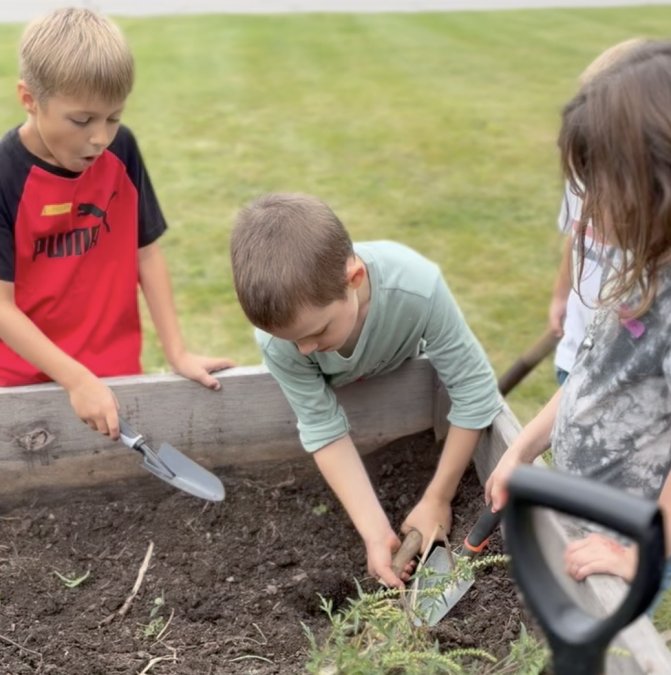
A kid-sized garden needs three things: reachable space, real tools, and a place to make a mess. The Home Depot guide to getting kids into gardening recommends letting children help choose kid-sized tools, naming a small shovel, trowel, and rake as good starting points. That advice holds up.
Set up a bed or a few large containers at your child's height. Give them their own patch, even if it is one square meter, and let them choose what grows there. A themed bed, such as a rainbow of colored flowers or a pizza garden with tomatoes and basil, gives the project a story.
- Pick a spot with at least six hours of sun
- Choose containers or a raised bed at child height
- Buy or borrow kid-sized trowel, rake, and watering can
- Decide together what to plant
- Set a watering schedule your child owns
If you want help growing food and saving seeds beyond your backyard, there is free local support available close to home.
Join a Community Garden or Enrichment Program Near Aurora
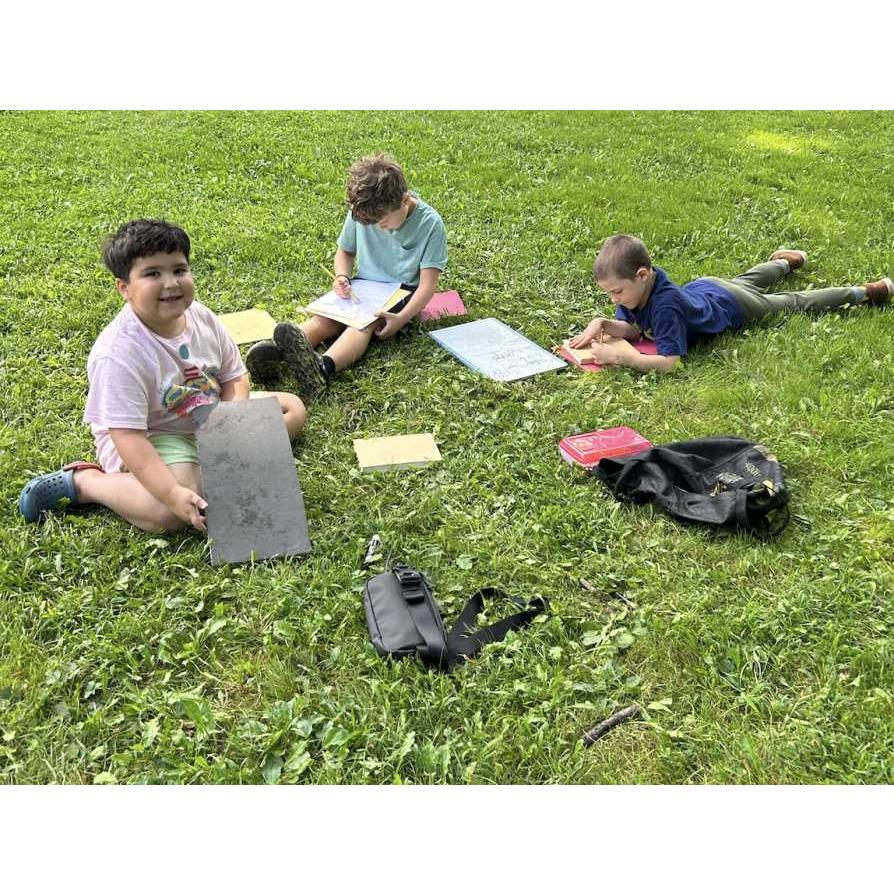
Community is where home gardening grows into something bigger. A backyard plot teaches a child to care for plants. A shared garden teaches them to care for plants alongside other people, which is a different and harder skill.
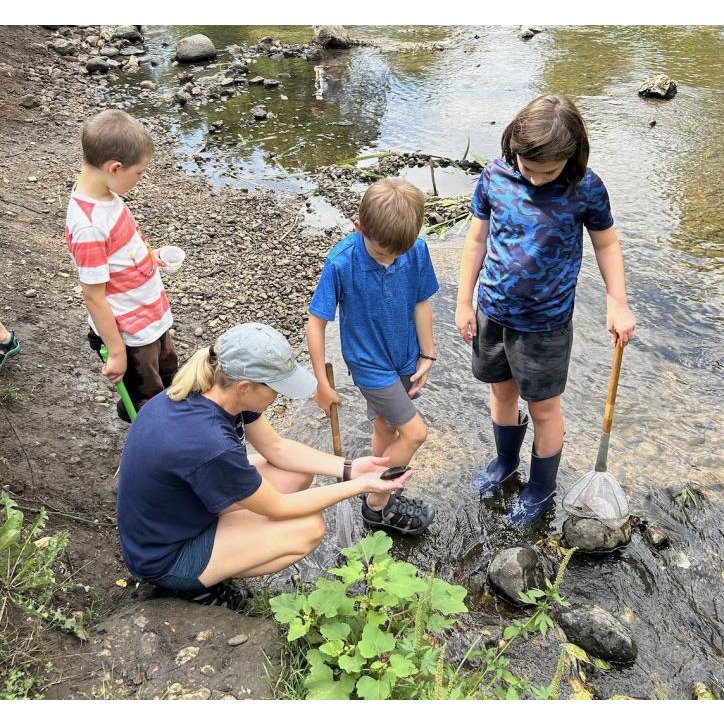
Families in Kane County who want more than a windowsill can explore nature-based homeschool enrichment through HEADWATERS' home learning resources.
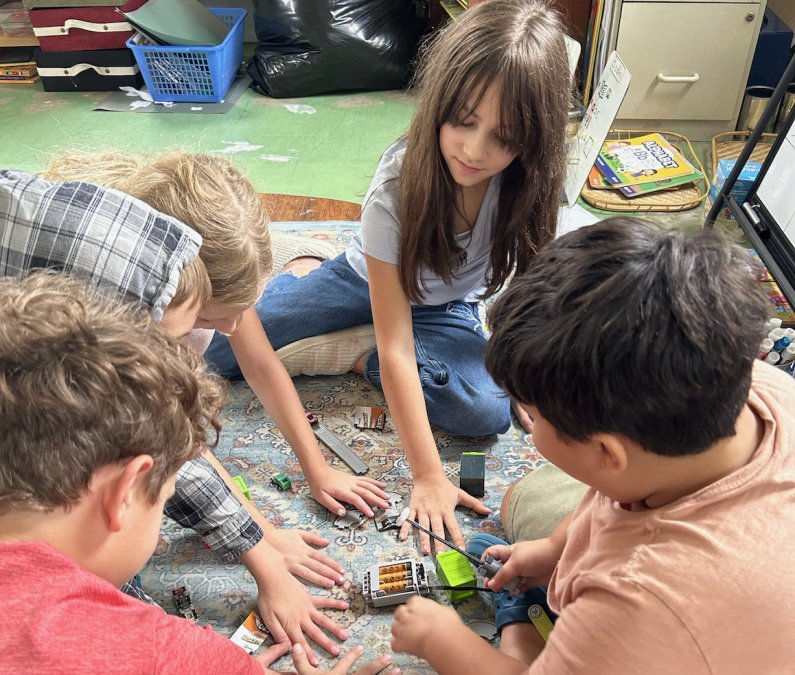
If you have been gardening at home with your kids and want more for them, the next step is a place where that curiosity meets other children and experienced teachers. At HEADWATERS, students learn on a nonprofit community farm alongside a Montessori-inspired K-12 academy. Our small, intentionally human microschool environment pairs a Montessori and nature-inspired K-8 curriculum with land-based learning that integrates food systems and ecological awareness. Learn more about HEADWATERS and give your child a learning community rooted in place.
Frequently Asked Questions
What are some easy gardening activities for kids at home?
Start with container planting, seed dissection using dried peas, and a seed viewer taped to a window. These need only a pot, soil, and seeds, and they show results within a week or two. Let your child choose the seeds and pick a theme for their pot, like a rainbow of flowers or a salsa garden. Kids gardening works best when the first project is small enough to finish in one afternoon.
What can kids grow indoors?
Herbs like basil and mint, lettuce, radishes, and microgreens all do well on a sunny windowsill. Terrariums suit children with limited space, and kitchen scraps such as carrot tops and green onion ends regrow in a shallow dish of water. Indoor gardening for kids needs about six hours of light, so a south-facing window is your best spot.
How can kids garden without a backyard?
Containers, window boxes, and terrariums cover most of it. A five-gallon bucket with drainage holes grows a tomato plant, and a fabric grow bag works for potatoes. Community gardens in Kane County often offer family plots for a seasonal fee. Indoor gardening for kids can also mean seed paper, herb pots, and kitchen-scrap growing, all of which fit on a counter.
What gardening activities suit preschoolers?
Planting in eggshells, building a bug house from sticks and leaves, growing a carrot top in water, and mud play all work for ages three to five. Keep sessions to 15 or 20 minutes and let them get messy. Gardening activities for preschoolers should focus on the senses, like touching soil and smelling herbs, rather than on the harvest.
What do children learn from gardening?
They practice patience, observation, and cause and effect, since a plant's response to watering or neglect shows up within days. Gardening also builds fine motor skills through scooping and planting, and it gives children a concrete reason to read seed packets and measure spacing. Many families find the garden becomes the place where a child first asks a real science question.