 blog
How to Tell If Microschools Are Good for Kids With ADHD
Last Updated: October 30, 2026
Quick Summary
Microschools for ADHD can be a good fit because they shrink crowd size and constant transitions, giving kids fewer students per adult, more built-in movement, and faster feedback. Small does not automatically mean better, though: teaching quality, specialist services, and structure depend entirely on the people and the plan.
- The core difference is scale, not philosophy: fewer transitions, fewer students per adult, and more movement built in.
- Benefits like less shame and stronger relationships only show up when the environment is genuinely consistent.
- Ask who provides specialized services and how, especially if your child has an IEP or 504 plan.
- Red flags include vague talk about flexibility, no stated schedule, or promises to handle all kids.
- Ask for tuition and fees in writing so you can weigh the real commitment.
Table of Contents
- Why Microschools for ADHD Are Getting So Much Attention
- Microschool vs. Traditional School for ADHD: What Actually Changes
- The Real Benefits of a Small, Consistent Learning Environment
- Microschool Accommodations for ADHD: What Support Can Look Like Day to Day
- The Honest Drawbacks of Microschools for Kids With ADHD
- Signs a School Is a Good Fit for a Child With ADHD
- Questions to Ask a Microschool About ADHD Before You Enroll
- Visit a Farm-Based Microschool in Kane County
- Frequently Asked Questions
Why Microschools for ADHD Are Getting So Much Attention
Parents of kids with ADHD are asking a harder question than they used to: not "how do we survive this classroom," but "why is this classroom built this way at all?" Microschools for ADHD are getting attention because they shrink the two things that most often work against a kid with attention differences: crowd size and constant transition.
Parents often describe the same pattern: their child is bright, curious, and exhausted by 3 p.m. The school isn't cruel. It's just big, fast, and loud.
That's the honest starting point. A microschool is not magic, and it is not a cure. It's a different set of trade-offs.
Microschool vs. Traditional School for ADHD: What Actually Changes
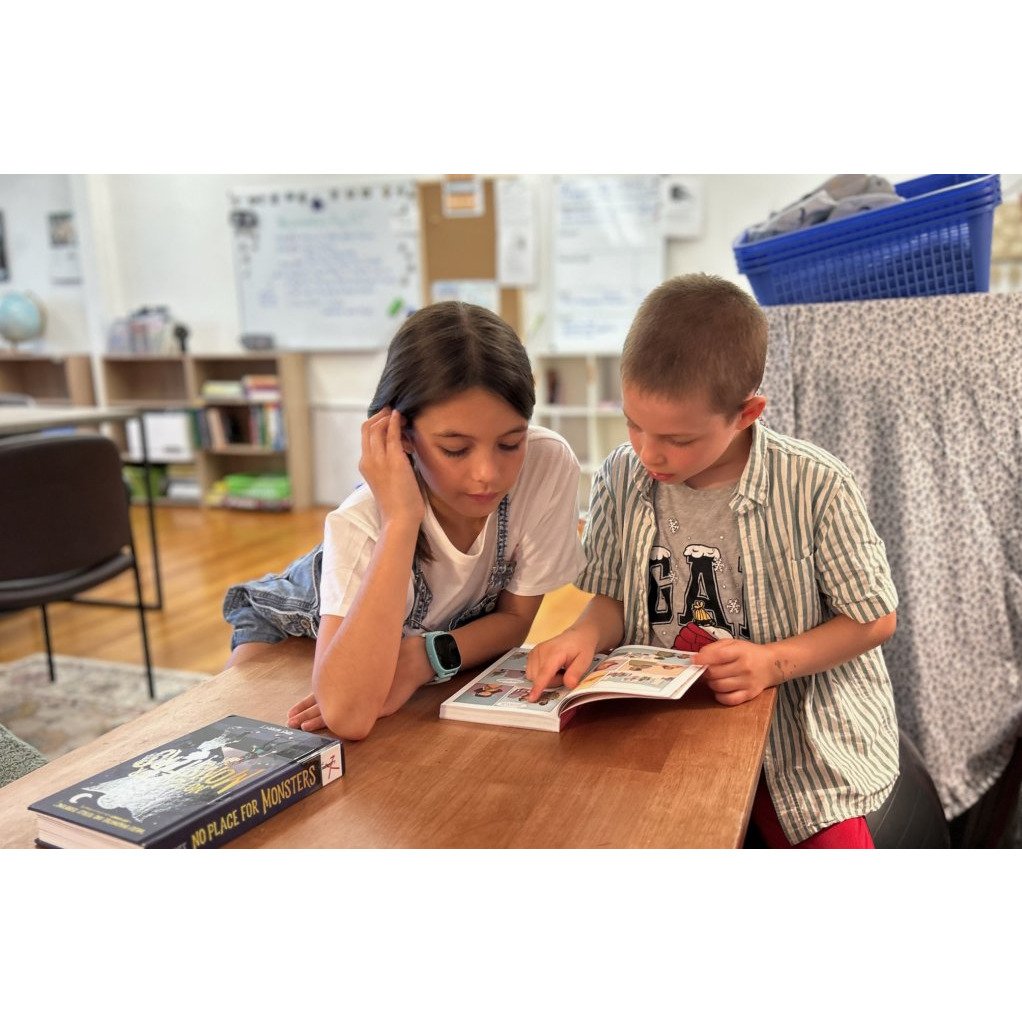
The core difference is scale, not philosophy. A microschool is a small, often mixed-age learning group, usually with one lead teacher and a handful of adults nearby. Traditional schools run on bells, big cohorts, and one teacher managing many students at once.
What changes in practice:
- Fewer transitions. Less hallway time, fewer room changes, fewer chances to lose focus.
- Fewer students per adult. More quiet redirection and less public correction.
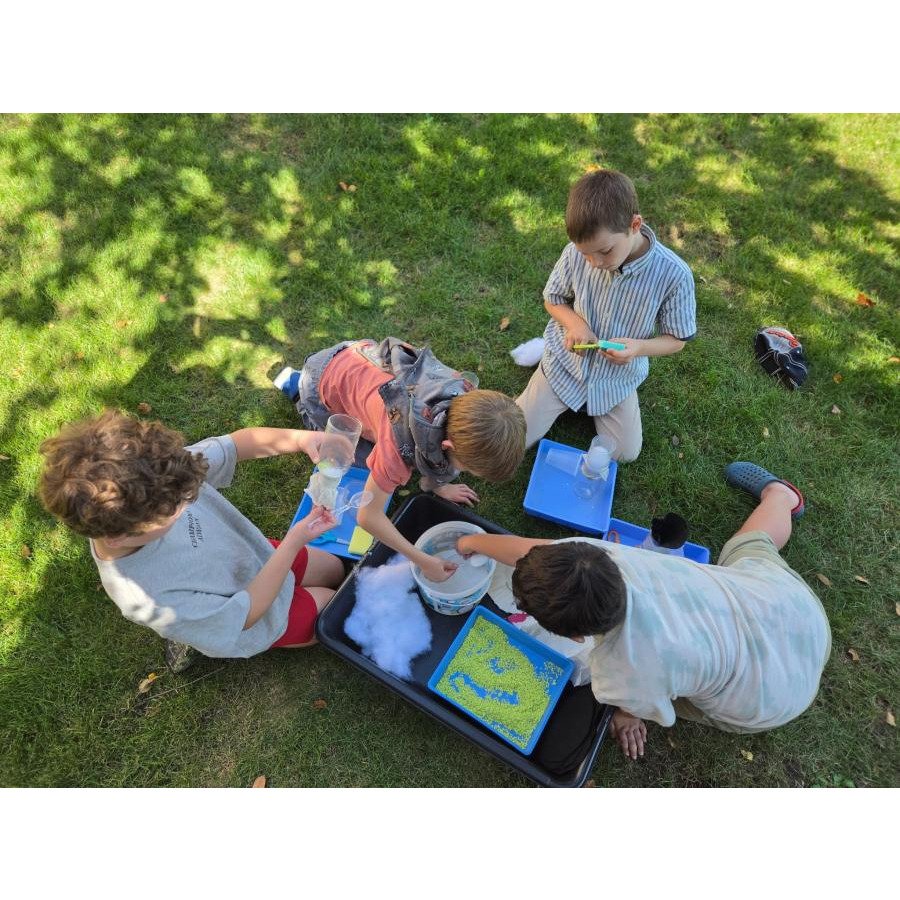
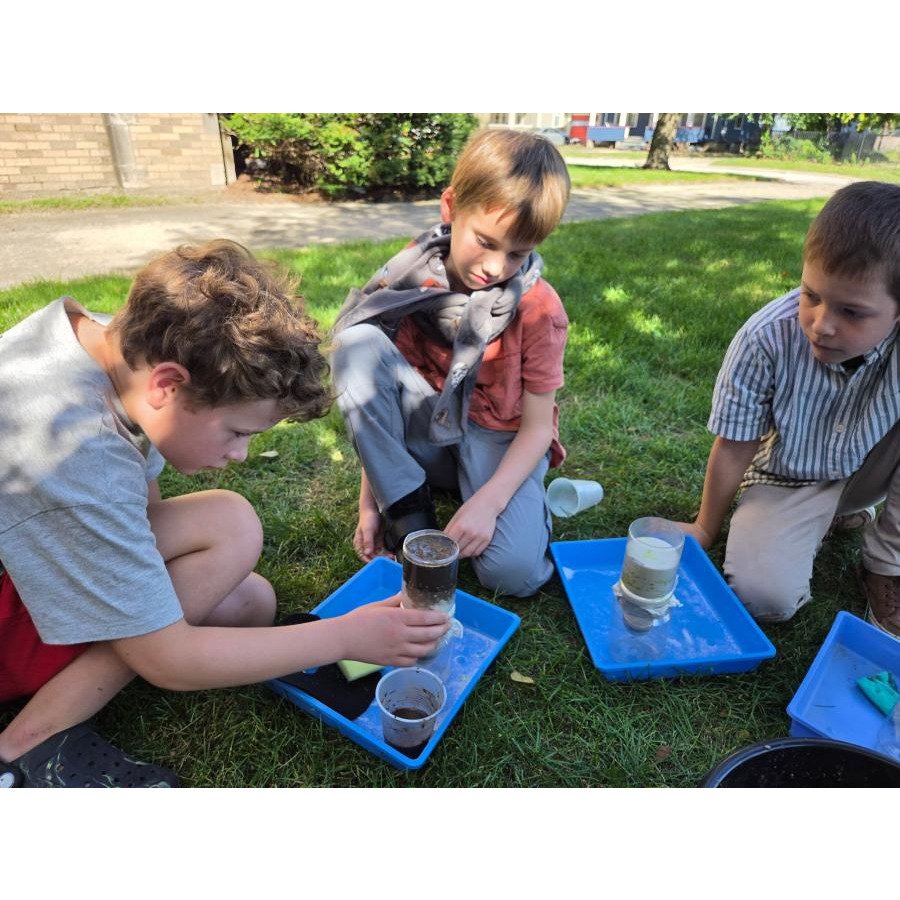
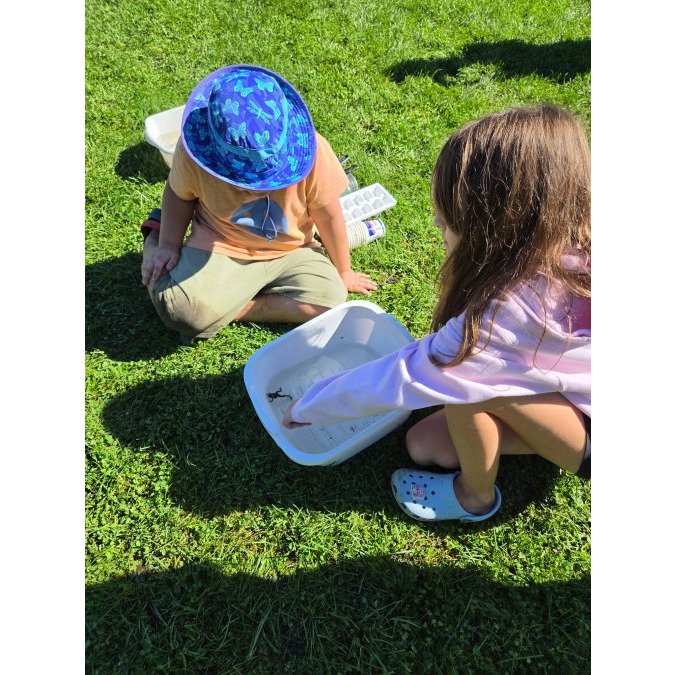
- More movement built in. Outdoor time and hands-on work are part of the day, not a reward.
- Faster feedback loops. A teacher notices a rough morning in minutes, not at the end of the week.
What doesn't change automatically: the quality of the teaching. Small does not mean rigorous. That depends entirely on the people and the plan.
If you want to see how a small, structured model actually runs day to day, the Headwaters Model walks through it.
Here is what actually changes when a child with ADHD moves from a traditional school to a microschool.
| Feature | Traditional School | Microschool |
|---|---|---|
| Transitions | Bells, hallway time, room changes | Fewer transitions and room changes |
| Students per adult | One teacher managing many students | Fewer students per adult |
| Movement | Often a reward | Outdoor time and hands-on work built in |
| Feedback | Noticed later | Teacher notices a rough morning in minutes |
| Teaching quality | Varies | Not automatic; depends on people and plan |
The Real Benefits of a Small, Consistent Learning Environment
The biggest benefit is predictability. Kids with ADHD often spend enormous energy tracking "what's happening next." When the day is stable and the adults are familiar, that energy goes back into learning.
Other gains families commonly report:
- Less shame. A kid who needs to stand, fidget, or take a walk does it without an audience.
- Stronger relationships. Teachers who know a child well can learn their triggers and strengths, not just their file.
- Real responsibility. Shared work such as tending beds or caring for common spaces gives attention a job to do.
One caution: these benefits show up when the environment is genuinely consistent. A chaotic small school is worse than a well-run large one.
Microschool Accommodations for ADHD: What Support Can Look Like Day to Day
Good microschool accommodations for ADHD are usually quiet, practical, and woven into the day rather than bolted on. The support should feel like good teaching, not a special exception.
What that can look like in general:
- Movement permission. Standing desks, walk breaks, or a job that requires moving.
- Short work blocks. Brief focused work periods, then a reset.
- Visual schedules. A posted plan the child can check without asking.
- Clear, private redirection. A signal or a quiet word instead of a callout.
- Explicit social-emotional teaching. Naming feelings and practicing repair after a hard moment.
Ask any school to describe these in plain language. Vague answers are a warning sign.
The Honest Drawbacks of Microschools for Kids With ADHD
Small is not automatically better, and we'd rather say that plainly. Here's where microschools can fall short for a child with ADHD.
Fewer specialists on site. A traditional district may have a full special education team. Many small schools rely on a few teachers and outside partners. Ask exactly who provides services and how.
Less peer variety. A very small group can feel intense. Some kids thrive; others need a wider social pool.
Thin margins for error. One difficult pairing between two students can shape a whole week. Small teams must be skilled at repair, not just discipline.
Uneven rigor. Some microschools are academically serious. Others are loosely organized. The label tells you nothing.
Legal and service questions. If your child has an IEP or a 504 plan, you need clear answers about how services transfer. The U.S. Department of Education guidance on private school and IDEA services is worth reading before you tour.
Watch out: assuming a small school will "just understand" ADHD. Ask for specifics, in writing, about how the day is structured. Warmth without structure fails these kids.
Signs a School Is a Good Fit for a Child With ADHD
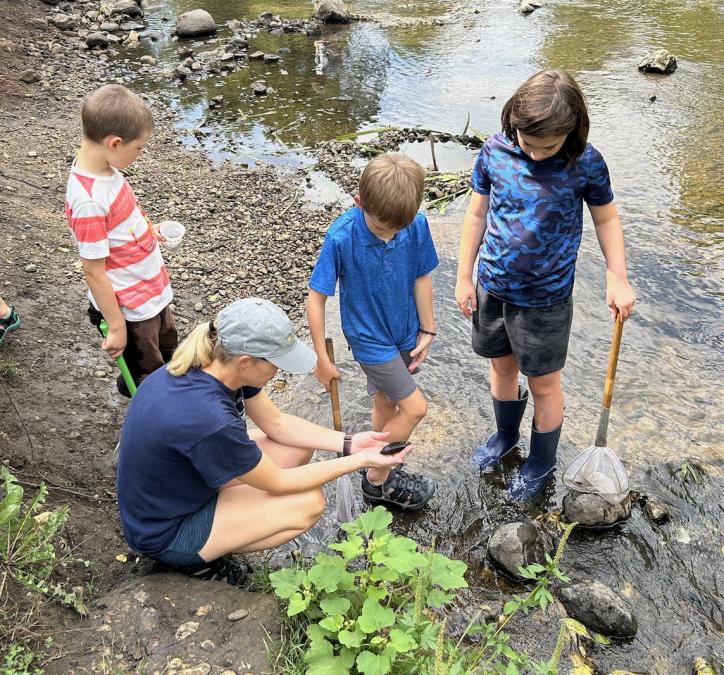
A good fit shows up in small details, not in a brochure. The clearest sign is a teacher who can describe your child accurately after one visit, including what helps and what doesn't.
Look for:
- A predictable daily rhythm the child can see and anticipate.
- Adults who redirect privately and calmly.
- Space and permission to move.
- A clear plan for hard moments, including how repair happens afterward.
- Honest answers about what the school cannot do.
- A group size where your child won't disappear or feel exposed.
Red flags: vague talk about "flexibility," no stated schedule, or a promise that they "handle all kids."
If you're seriously considering a move, these practical steps for transitioning to a microschool help you prepare your child emotionally before day one.
Questions to Ask a Microschool About ADHD Before You Enroll
Bring a written list and take notes. The answers matter more than the tour.
- How is the day structured, hour by hour?
- How do you redirect a child without shame?
- What happens after a meltdown or conflict?
- Who provides specialized services, and how?
- How do you communicate with families each week?
- What does academic rigor look like for a child who needs movement?
- How do you handle a poor fit between two students?
- What are the full costs, including any fees beyond tuition?
On that last point, ask for the tuition and fees in writing so you can weigh the real commitment. Pricing depends on the program and enrollment details, so get current figures directly from the school.
Visit a Farm-Based Microschool in Kane County
Reading about microschools for ADHD only goes so far. The useful test is standing on the ground, watching how adults talk to kids, and noticing whether your child relaxes or tightens up.
We're a Montessori-inspired, nature-based academy in Kane County, and we're honest about being new at running a school. What we bring is experienced teachers, small groups, and a deep commitment to getting community and repair right. Our days blend structured academics with outdoor, project-based learning, and we teach social-emotional regulation and communication explicitly. Families who want to keep that rhythm going at home can lean on our Home Learning Resources, and our Homeschool Enrichment program gives homeschooled kids a small-group setting for the parts of learning that work better with others.
If that sounds like your family, you can start the admissions conversation or reach out with questions before you visit. Come see a ordinary Tuesday. That tells you more than any open house.
Frequently Asked Questions
Are microschools a good fit for children with ADHD?
They can be, especially for kids who struggle with large classes, constant transitions, or noise. Microschools for ADHD tend to work best when the group is small, the schedule is predictable, and teachers have room to adjust pacing and movement. That said, a microschool is only as good as its staff and its willingness to make real accommodations. Ask how the school handles fidgeting, breaks, and unfinished work before you assume small automatically means supportive.
Can a microschool provide special education services or accommodations?
It depends on how the school is set up. Some microschools are private programs that do not receive public funding, which means services like speech therapy or a formal IEP may not be available on site. Others partner with outside providers or work with families to build informal supports into the day. Ask directly whether the school can deliver a 504 plan or IEP, and if not, what it offers instead. Get the answer in writing before enrolling.
What should parents ask a microschool about ADHD support?
Start with the questions that reveal daily reality: How many students are in a group? What happens when a child cannot sit still? How are transitions handled? Who has training in ADHD or social-emotional regulation? Ask to observe a typical day, not just a tour. Also ask how the school communicates with families when something is not working, and whether they have supported a child with an ADHD diagnosis before. Vague answers are a signal.
How can I tell whether a school environment is working for my child with ADHD?
Watch for changes in how your child talks about school. A good fit usually shows up as less dread on Sunday night, fewer meltdowns at pickup, and more willingness to talk about what they did. Academically, look for steady progress rather than perfection. If your child is coming home exhausted, shutting down, or refusing to go, that is data too. Give any new environment a few weeks, then check in honestly with the teacher and with your child.
The real question isn't whether microschools are trendy. It's whether your specific child would be known, challenged, and cared for in a smaller room. We'd be glad to help you find out. Get started with Headwaters and see how a small, land-based learning community supports focus, responsibility, and whole-child growth.