 blog
How to Personalize Learning in Small Schools: 7 Ways
Last Updated: November 16, 2026
Quick Summary
Small schools personalize learning by building a personal learning plan with each student, offering structured choice, and keeping grouping flexible. Teachers use formative feedback, project-based work, and simple weekly family communication to shape the day around each child.
- Build a personal learning plan with two or three student goals each term, and let the student sign it.
- Offer structured choice, such as a reading menu with three texts at different levels on the same theme.
- Regroup students by skill for a single unit, then regroup again based on short formative checks.
- Track each goal, the evidence, and the next step on one simple shared record.
- Send a short weekly note home tied to the student's goals to keep families coordinated.
Table of Contents
- Why Small Schools Are Built for Personalized Learning
- 1. Start With Personal Learning Plans and Goal Setting
- 2. Personalized Learning Examples: Student Choice and Agency in Action
- 3. Personalized Learning Strategies: Flexible Grouping and Differentiated Instruction
- 4. Project-Based Learning Examples That Put Students in Charge
- 5. Personalized Learning Assessment: Formative Feedback and Progress Monitoring
- 6. Building a Flexible Classroom Environment on a Small Budget
- 7. Family Communication and Student Support Coordination
- Frequently Asked Questions
Why Small Schools Are Built for Personalized Learning
To personalize learning, an adult has to know each child well. That is the simple reason small schools are built for it. In a microschool, a teacher can hold a full picture of every student: what they love, where they get stuck, how they learn best.
At HEADWATERS, we are new at running a school, and honest about that. You can read more about our small, structured model and how it supports whole-child development. Our teachers bring deep experience, and our students are genuinely attached to them. That closeness is the whole point.
The philosophy behind personalized learning in a microschool
Personalized learning is the practice of shaping instruction around each student's strengths, interests, and pace rather than delivering one lesson to everyone at once. In a small school, that is not a program you bolt on. It is how the day runs.
The philosophy rests on a few beliefs:
- Children learn deeply when work connects to their real interests
- Mastery matters more than speed
- Students should have a real voice in their learning
- Teachers need room to adjust, not a rigid script
Below, we walk through seven ways small schools personalize learning. Each one is practical, low-cost, and ready for a classroom this week.
1. Start With Personal Learning Plans and Goal Setting
Every student at a small school can have a personal learning plan, and that plan should be a living document, not a folder that gathers dust. Build it with the student, not for them.
Here is one way to run it:
- Sit with the student and name two or three learning goals for the term
- Translate each goal into a clear learning objective the child can repeat back
- List the student's strengths and interests that can carry the work
- Set a check-in date and write it on the plan
- Let the student sign it
The plan becomes the spine of the term. Teachers use it to plan instruction, and students use it to track their own progress.
2. Personalized Learning Examples: Student Choice and Agency in Action
Student agency grows when choice is real and bounded. A common mistake is offering a free-for-all. That overwhelms kids. Offer structured choice instead.
Personalized learning examples that work:
- A reading menu: three texts at different levels, same theme
- A project format choice: write it, build it, or present it
- A work-order choice: which task comes first today
- A reflection question at the end of each week
Small moments of choice build learner ownership. Over a year, they add up to students who can direct their own work.
3. Personalized Learning Strategies: Flexible Grouping and Differentiated Instruction
Personalized learning strategies only work when grouping stays flexible. Fixed reading groups tell a child exactly where they stand. Flexible grouping lets them move.
Try these:
- Regroup by skill for a single unit, then regroup again
- Use short formative checks to decide who needs what next
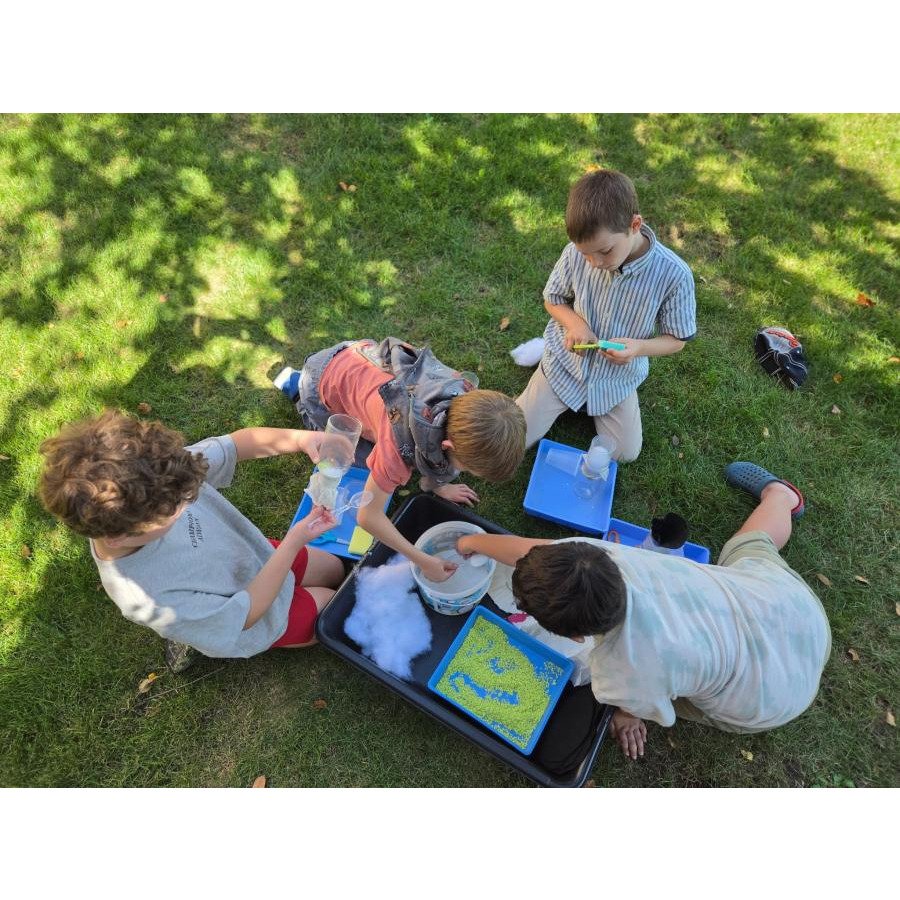
- Pair students for collaborative learning across skill levels
- Give the same task at different entry points
Differentiated instruction is the day-to-day craft here. It means adapting the task, the support, or the pace, not lowering the bar. You can see how we build this into our curriculum at Headwaters.
4. Project-Based Learning Examples That Put Students in Charge
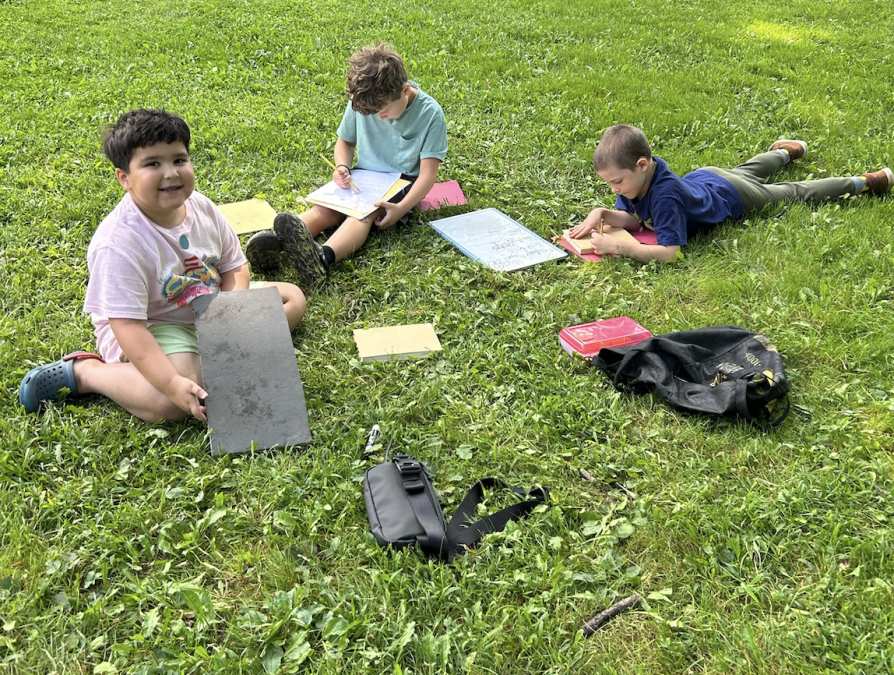
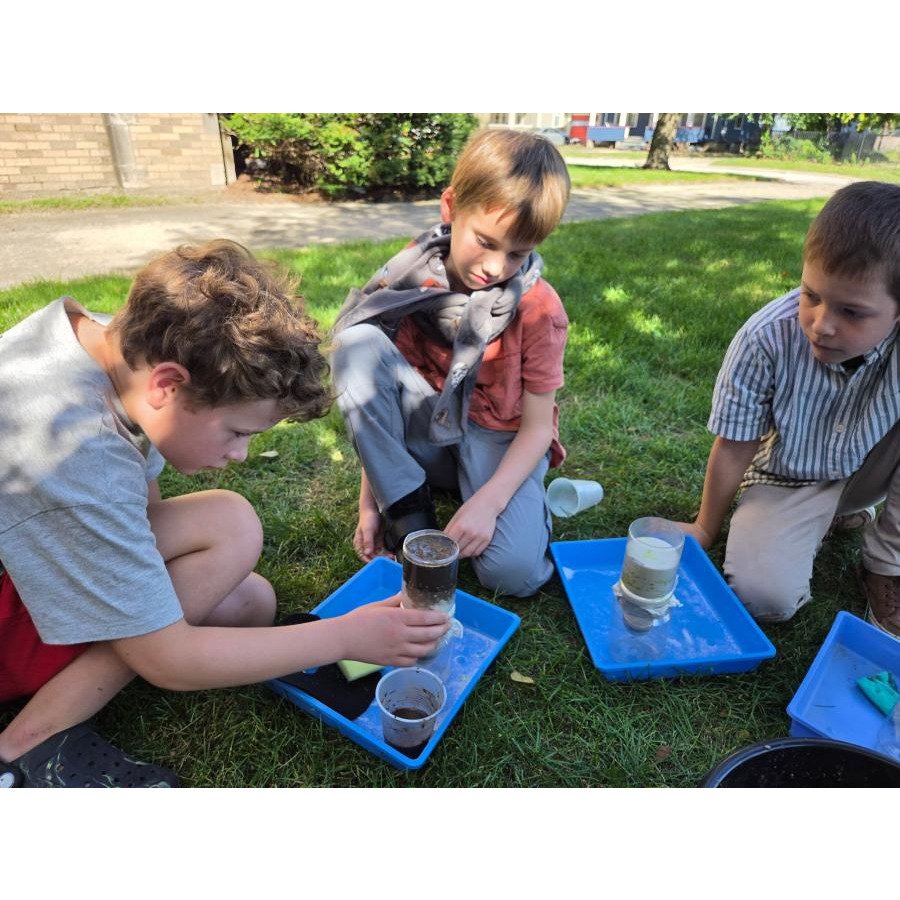
Project-based learning gives students a real problem and real ownership. The best project-based learning examples start with a question the child actually cares about.
Consider these:
- Plan and plant a garden bed, then track what grows
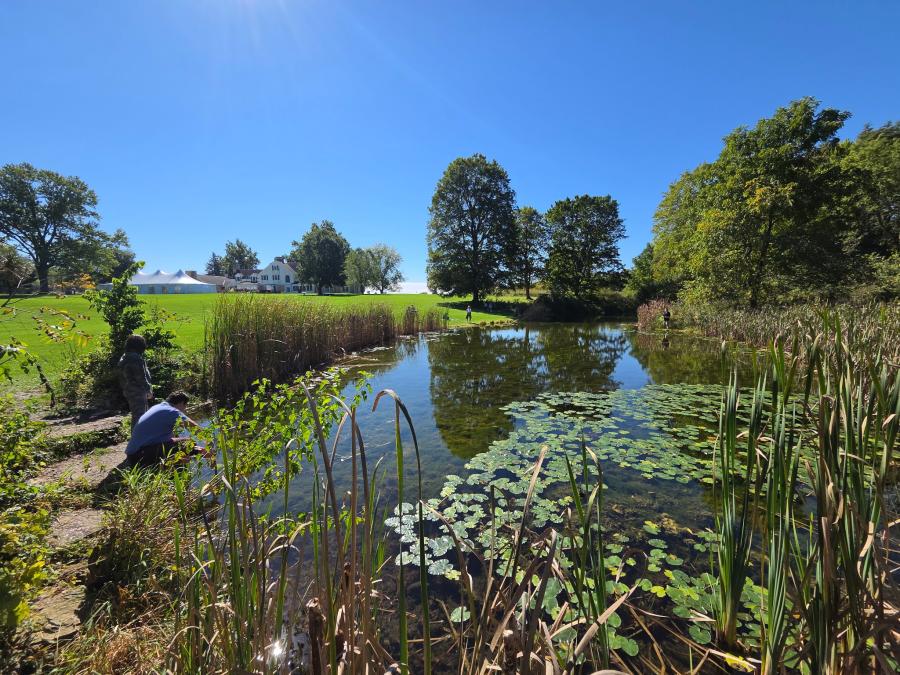
- Map a local watershed and present findings to families
- Design a solution for a real campus problem
- Study a food system and propose a change
The teacher's job shifts from lecturing to guiding. Students set milestones, divide work, and reflect on what they learned. For a deeper look at the research behind outdoor work, read our guide to outdoor project-based learning.
5. Personalized Learning Assessment: Formative Feedback and Progress Monitoring
Personalized learning assessment should inform the next lesson, not just grade the last one. Formative assessment is the engine here.
What it looks like in practice:
- Quick daily checks: a question, a whiteboard answer, a short conference
- Individualized feedback tied to the student's own goal
- Self-assessment so students learn to judge their own work
- Progress monitoring on a simple, shared record
The record can be a single sheet. Track the goal, the evidence, and the next step. That is enough to see learning progress and adjust.
6. Building a Flexible Classroom Environment on a Small Budget
A flexible classroom environment does not require new furniture. It requires rethinking how space gets used. Start with what you have.
Low-cost moves that work:
- Create zones: a quiet corner, a group table, a floor space
- Let students choose where they work for some tasks
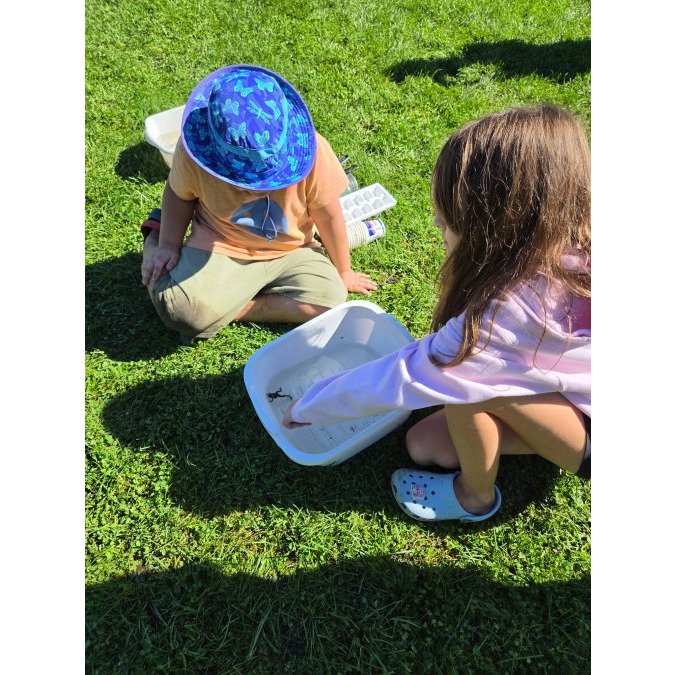
- Use outdoor space as a real classroom, not a reward
- Store materials where kids can reach them
Flexible seating can be as simple as floor cushions and a rug. The goal is a room that supports different kinds of work at the same time.
7. Family Communication and Student Support Coordination
Family communication is where personalized learning either holds or falls apart. Parents need to know the plan, the progress, and the next step.
Build a simple rhythm:
- A short weekly note home, tied to the student's goals
- Regular check-ins with families, not just when something is wrong
- One shared place where the plan and progress live
- Clear coordination when a student needs extra support
If you are weighing a move, our guide to moving to a microschool covers readiness and enrollment. Families who want to carry this approach into the home day can explore our Home Learning Resources, and our Homeschool Enrichment offerings give home-based students a way to learn alongside others. When you are ready to talk, our K-12 admissions in Aurora, IL page shows how to start.
| Practice | What It Builds | How Often |
|---|---|---|
| Personal learning plans | Goal setting and ownership | Once per term |
| Structured choice menus | Student agency | Weekly |
| Flexible grouping | Right-fit instruction | Per unit |
| Project-based work | Deep, real-world learning | Per project |
| Formative feedback | Mastery and progress | Daily |
| Flexible classroom zones | Independent work | All day |
| Family communication | Coordinated support | Weekly |
Personalizing learning is not about buying a platform. It is about knowing each child and building the day around them. That takes time, honesty, and a team that cares deeply about getting it right. At Headwaters, we bring a Montessori-inspired, nature-based approach and teachers with real depth of experience. We are still learning as a school, and we would rather build this with families than claim we have it all figured out. Learn more about Headwaters to see how it might fit your child.
Frequently Asked Questions
What are some examples of personalized learning in a small school?
Personalized learning examples include students choosing a research topic for a project, working through a personal learning plan with their teacher, joining flexible reading groups based on current skill level, and using self-assessment checklists before a conference. In a small school, these practices fit naturally because teachers know each student well and can adjust instruction without reorganizing an entire grade level.
How do small schools assess individual student progress?
Small schools often rely on personalized learning assessment methods like formative assessment, student reflection journals, and progress monitoring against personal learning goals. Teachers collect quick daily evidence through observation and short conferences, then adjust flexible grouping and instructional strategies. Portfolios and project rubrics show growth over time, giving families a clearer picture than a single test score.
How does project-based learning support personalized learning?
Project-based learning examples let students apply skills to real questions, which naturally allows for student choice and learner ownership. A student can research a local ecosystem, build a model, and present findings while working on specific learning objectives in math, science, and communication. Teachers use project checkpoints for personalized learning assessment and adjust support based on each student's needs and pace.