 Comparison
Prairie School of DuPage Alternatives: 5 Options to Consider
Table of Contents
- Why Parents Explore Prairie School of DuPage Alternatives
- Understanding the Benefits of Microschools
- Nature-Based Education Programs in Kane County
- Montessori-Inspired Alternatives in the DuPage Area
- How to Choose an Alternative School That Fits Your Family
- Comparing Program Models: What Sets Each Approach Apart
- Making Your Decision: Questions to Ask Before Enrolling
- Frequently Asked Questions
Last Updated: September 29, 2026
Why Parents Explore Prairie School of DuPage Alternatives
Parents searching for Prairie School of DuPage alternatives typically share a common thread: they're looking for something different from traditional schooling. They want environments where their children think deeply, connect meaningfully with peers and teachers, and develop resilience alongside academic skills. The reasons vary, some families seek more outdoor learning, others want smaller class sizes, and many are drawn to pedagogies that honor how children actually develop.
At HEADWATERS, we've worked with families across Kane County and beyond who've asked these exact questions. What we've learned is that the "best" school isn't about rankings or reputation alone. It's about alignment: Does the learning environment match your child's needs? Do the values embedded in daily practice match yours? Can your family actually sustain the commute and commitment?
This guide walks you through the landscape of alternatives to Prairie School of DuPage, examining what makes each approach distinct and helping you ask the right questions before enrolling.
Understanding the Benefits of Microschools
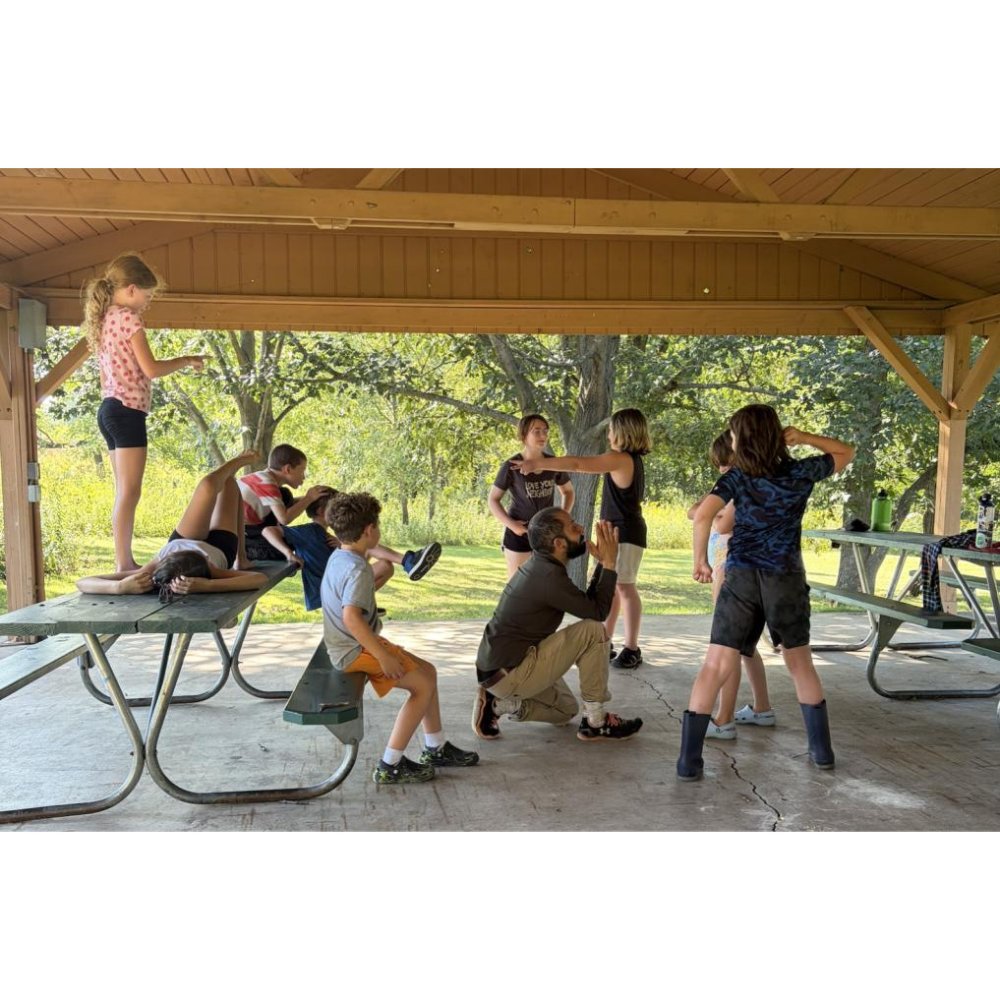
A microschool is a small, intentionally designed learning community, typically serving 15-75 students across multiple grade levels, where personalized attention and relationship-building form the foundation of education. Unlike traditional schools organized by grade cohorts, microschools often blend ages and emphasize student agency, project-based learning, and explicit social-emotional development.
The appeal is straightforward: smaller means teachers actually know your child. They notice when something's off. They adjust pacing to match learning rhythms. They build genuine relationships with families, not just check-in conversations at pickup.
Microschools also tend to move faster on what matters and slower on what doesn't. If a child masters fractions in three weeks instead of six, they move on. If a project captures genuine curiosity, it extends naturally. That flexibility is hard to find in traditional schools bound by pacing guides and standardized calendars.
The trade-off is transparency. Smaller schools have less institutional infrastructure. You're relying on the people running it, their vision, their stability, their commitment to growth. That's why visiting and talking to current families matters so much.
Nature-Based Education Programs in Kane County
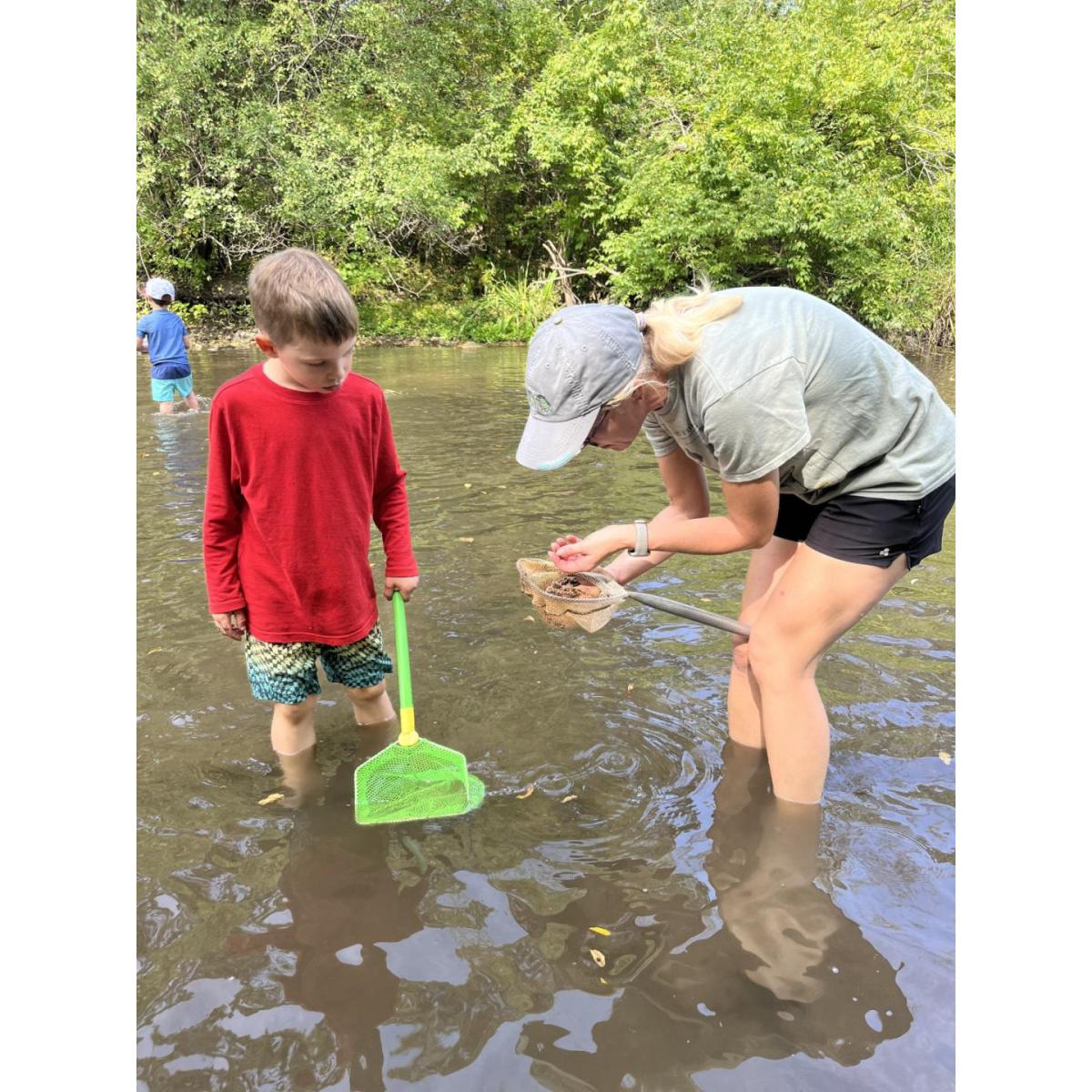
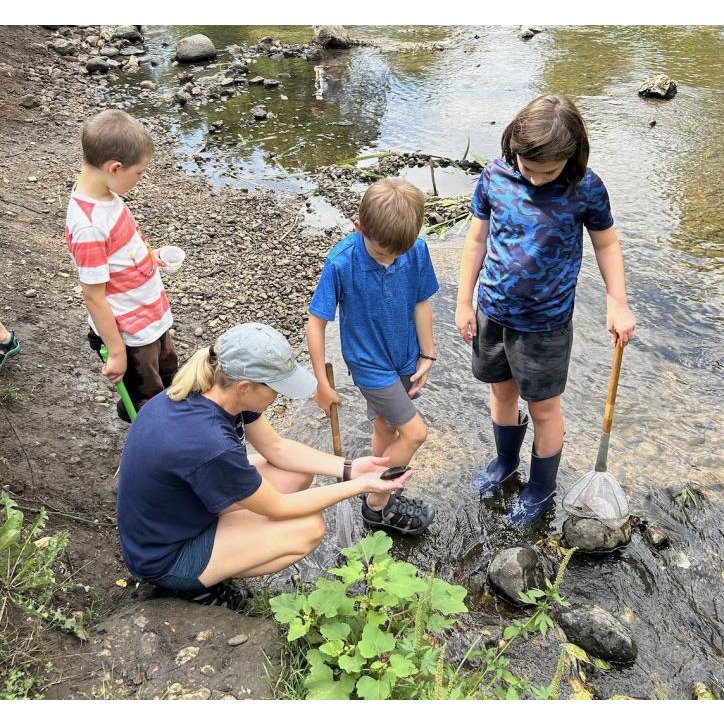
Nature-based education isn't about field trips or outdoor "specials." It's the integration of ecological learning into the daily fabric of school life. Students spend significant time outdoors, not as a break from "real learning," but as the primary context where math, science, literacy, and social-emotional growth happen.
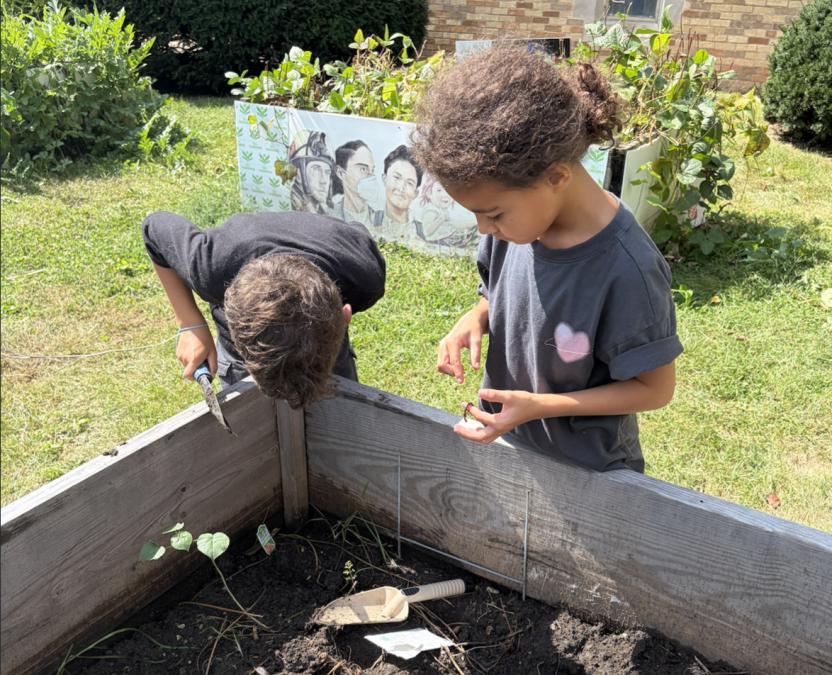
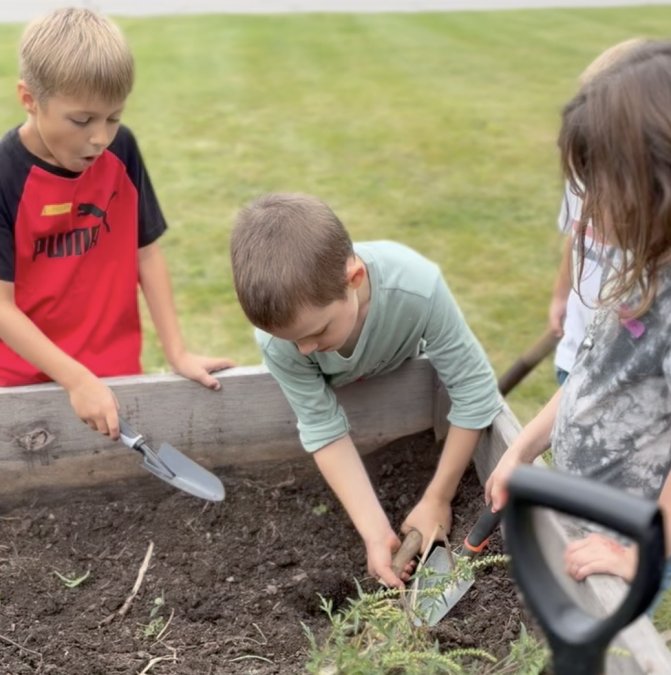
In Kane County, several programs embed this philosophy deeply. Some operate on working farms or land trusts, where students participate in food systems, ecological restoration, and seasonal cycles. Others use nature as the organizing principle for curriculum, studying ecosystems through direct observation, using outdoor spaces for math and literacy work, and building environmental stewardship as a core value.
The research on nature-based learning consistently shows that time outdoors improves focus, reduces anxiety, and deepens academic engagement. Children who learn in natural settings tend to ask better questions, persist longer through challenges, and develop genuine ecological literacy rather than abstract environmental knowledge.
For families in Aurora and surrounding areas, proximity matters. Some nature-based programs require daily on-site learning; others blend farm days with classroom work. Consider whether your family can sustain the commute and whether the program's specific ecological focus aligns with what draws your child.
Montessori-Inspired Alternatives in the DuPage Area
Montessori education rests on a simple but powerful idea: children are naturally driven to learn when given the right environment, materials, and freedom within structure. A Montessori classroom looks different, mixed ages, self-directed work periods, specialized materials designed for tactile learning, teachers observing and guiding rather than lecturing.
The DuPage area has several established Montessori programs, each with its own interpretation. Some follow the traditional Montessori curriculum closely. Others blend Montessori principles with other pedagogies, adding outdoor time, project-based learning, or community service. The variation matters because "Montessori-inspired" can mean different things in practice.
What unites them is the emphasis on student independence, self-correction through materials, and learning at each child's pace. A child who needs to build fractions concretely can work with golden beads for as long as needed. Another child ready for abstract operations moves on. This flexibility appeals to families whose children don't fit neatly into grade-level expectations.
Established Montessori schools in the region bring decades of experience and proven track records. Newer programs bring fresh energy and willingness to adapt. Both have merit, it depends on whether you prioritize institutional stability or pedagogical innovation.
How to Choose an Alternative School That Fits Your Family
Choosing a school is more important than choosing most things your family will do, yet many parents approach it reactively, visiting one school, liking it, enrolling. A more grounded process involves clarity first.
Start by naming what matters most to your family. Not what sounds good in theory, but what your child actually needs. Does your child thrive with structure or self-direction? Learn best through direct instruction or exploration? Need small group work or one-on-one attention? Struggle with transitions or crave novelty? These patterns matter more than philosophy.
Next, test the school's claims against reality. If a school says it emphasizes community, ask current families whether they feel genuinely connected or just attend events. If outdoor learning is central, ask how many hours per week students actually spend outside and what they do there. If social-emotional learning is a priority, ask what that looks like in a conflict, how do teachers help children repair harm and learn from mistakes?
Visit during a regular school day, not a tour day. Sit in a classroom. Watch how teachers respond when something goes wrong. Notice the quality of student-to-student interactions.
Comparing Program Models: What Sets Each Approach Apart
| Program Model | Core Philosophy | Learning Environment | Best For |
|---|---|---|---|
| Microschools | Personalized, relationship-centered | Small groups, mixed ages, flexible pacing | Families seeking close teacher-student relationships and customized learning paths |
| Nature-Based | Ecological integration, hands-on outdoor learning | Outdoor spaces, farm or land-based, seasonal cycles | Children who engage deeply through direct experience and families valuing environmental stewardship |
| Montessori | Child-directed learning, prepared environment | Mixed ages, self-correcting materials, student choice | Independent learners who benefit from tactile, concrete-to-abstract progression |
| Project-Based | Deep inquiry, real-world application | Extended investigations, interdisciplinary, community partnerships | Learners who engage through questions, collaboration, and authentic problems |
| Waldorf-Inspired | Developmental stages, artistic integration, holistic growth | Rhythm and ritual, artistic expression, imagination | Families valuing creativity, imagination, and developmental alignment |
Each model has genuine strengths and real limitations. Microschools offer intimacy but less institutional stability. Nature-based programs build ecological literacy but require weather adaptability. Montessori provides proven structure but less flexibility in curriculum. Project-based learning deepens engagement but requires strong facilitation. Waldorf honors imagination but can feel less academically rigorous to some families.
Making Your Decision: Questions to Ask Before Enrolling
Before committing, ask these questions directly of school leaders and current families:
About the people:
- How long have core teachers been at the school? What's the turnover rate?
- What's the teacher-to-student ratio, and how is it maintained as the school grows?
- How are teachers trained in the school's specific pedagogy?
About the learning:
- How do you assess student progress beyond traditional grades?
- What happens when a student struggles academically?
- How do you balance child-led learning with ensuring mastery of essential skills?
About community and belonging:
- How do you build genuine community, not just events?
- How do you address conflicts and repair harm?
- What does diversity look like, and how is it woven into daily learning?
About sustainability:
- What's your financial model, and how stable is it?
- Are you planning major changes in the next 3-5 years?
- How do you involve families in decision-making?
About fit for your child:
- Can you describe a typical day for a child like mine?
- What would you do if my child struggled with [your specific concern]?
- Can we talk to families whose children have similar learning profiles?
Frequently Asked Questions
What are the main differences between Prairie School of DuPage alternatives?
Alternatives vary significantly in their core philosophy. Some emphasize Montessori-inspired independence and self-directed learning, while others prioritize nature-based, project-driven education. Microschools typically offer smaller class sizes and more personalized attention than traditional private schools. The key differences lie in curriculum structure, outdoor integration, class size, and how they balance academics with social-emotional development. Understanding your family's learning style helps narrow the choice.
How do the benefits of microschools compare to larger private schools?
Microschools typically provide stronger community connections, more individualized attention from teachers, and flexible curriculum design. Smaller enrollment means teachers know each child deeply and can adapt teaching to their pace and interests. However, larger private schools may offer more extracurricular programs and established alumni networks. Microschools can foster resilience and social-emotional skills through close-knit environments, while larger institutions may offer broader resources and institutional stability.
What should I look for when choosing an alternative school?
Start by identifying your family's priorities: Do you value outdoor learning, Montessori philosophy, small class sizes, or project-based work? Visit schools to observe classrooms and teacher interactions. Ask about academic outcomes, teacher qualifications, and how the school handles social-emotional development. Assess commute feasibility and whether the school's values align with your family's. Finally, speak with current families to understand real-world experiences and whether the program delivers on its promises.
Is nature-based education in Kane County rigorous enough academically?
Yes. Nature-based programs integrate structured academics, math, literacy, science, and social studies, through outdoor and project-based contexts. Students learn real math through farm management, reading through natural history exploration, and science through ecological study. The approach develops deeper conceptual understanding because learning is grounded in tangible experience. Teachers with strong academic backgrounds ensure standards are met while engaging students through hands-on discovery, often resulting in stronger retention and genuine curiosity.
How do I know if my child will adjust from traditional school to an alternative program?
Most children adapt well when transitions are thoughtful. Visit the school together before enrolling so your child sees the environment and meets teachers. Start conversations about what makes this school different and exciting. Ask the school about transition support, many offer orientation sessions or gradual start periods. Children who struggle with sitting still often thrive in movement-rich, outdoor environments. Talk to current families about how their children adjusted. Schools experienced with transitions can provide strategies to ease the shift.