 How-to
How to Manage Homeschool Burnout With Outdoor Play?
Last Updated: November 22, 2026
Quick Summary
Manage homeschool burnout with outdoor play by planning two or three short outdoor blocks each week, keeping a simple activity list ready, and easing back into lessons gradually. Outdoor time gives children fresh air, movement, and freedom from seatwork, which helps restore energy for the whole family. Persistent sadness or anxiety should be checked with a healthcare provider.
- Start with two or three outdoor blocks per week, not a daily mandate.
- Keep a low-preparation activity bank, like scavenger hunts or a 15-minute sit spot.
- For the first two weeks, cut seatwork to one core lesson before the outdoor block.
- Match outings to age: 20-30 minutes for ages 5-7, up to 60 minutes for ages 11-14.
- Add a new outdoor block only after the current one runs two straight weeks without a fight.
Table of Contents
- Recognizing Homeschool Burnout Signs in Your Family
- Why Nature-Based Learning Helps Restore Energy
- Step-by-Step: Building an Outdoor Play Plan for Burnout
- How to Get Kids to Play Outside Without a Fight
- Setting a Simpler Homeschool Daily Schedule
- Safety, Seasonal Planning, and Community Connection in Aurora
- Checking Whether Your Changes Are Helping
- Frequently Asked Questions
Recognizing Homeschool Burnout Signs in Your Family
Homeschool burnout often shows up quietly. A child who once loved reading starts dragging their feet. A parent who planned enthusiastic lessons now feels dread every morning. Most families notice the signs only after they have been running on empty for weeks.
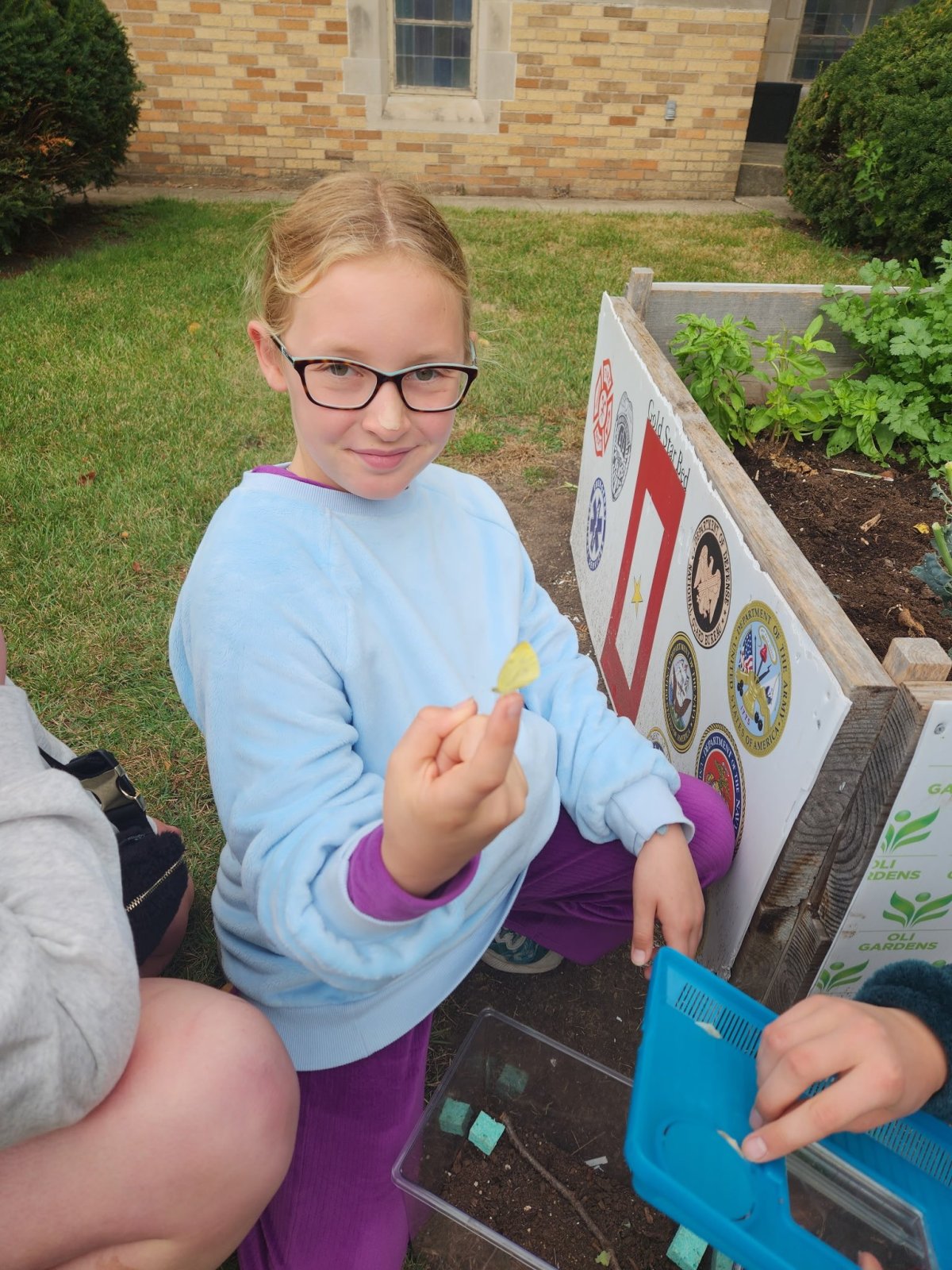
Common signs include:
- Frequent complaints of boredom or "I can't do this"
- Tears or outbursts over small tasks
- Lessons that take far longer than they should
- Parents feeling guilty, anxious, or resentful about the day
- Less curiosity and fewer questions from children
Ordinary fatigue versus persistent distress
Tiredness after a hard week is normal. Persistent distress lasts longer and affects sleep, appetite, mood, and daily function. If a child or parent shows signs of ongoing sadness, anxiety, or withdrawal, talk with a pediatrician or a licensed mental health professional. Outdoor play can support wellbeing, but it does not replace that care.
Why Nature-Based Learning Helps Restore Energy
Nature-based learning gives both children and parents a reset. Time outside offers fresh air, sunshine, and physical movement, and it lets children explore without a worksheet in front of them.
Many families find that outdoor time:
- Lowers the pressure of seat work
- Gives children a chance to follow their own interests
- Brings back a sense of wonder about learning
- Creates natural breaks that make the rest of the day easier
Research from the American Academy of Pediatrics guidance on children's outdoor play and physical activity supports the value of regular movement and unstructured play for children's health and development. For evidence on how outdoor learning affects academic outcomes, see how nature-based education boosts academic performance.
Step-by-Step: Building an Outdoor Play Plan for Burnout
Most burnout advice stops at "go outside more." That is not a plan. A workable plan is short, repeatable, and forgiving on the weeks when nothing goes right. Build it in four moves.
1. Set a realistic weekly rhythm, not a daily mandate. Two or three outdoor blocks per week is enough to start. A common pattern that holds up for homeschooling families:
- Monday: 20-minute neighborhood walk after the first lesson
- Wednesday: 45-60 minutes at a local park or trail
- Friday: free outdoor play in the yard or a nearby green space, child-led
Keep the blocks short enough that a bad-weather day or a rough morning does not erase the whole week.
2. Keep a low-preparation activity bank. The goal is to remove decisions on tired days. Rotate among:
- A nature scavenger hunt (five items, drawn or written by the child)
- Sidewalk chalk math or spelling
- Cloud or bird observation with a notebook
- A 15-minute "sit spot" where each child picks one place to observe quietly
- Creek, pond, or trail walking with one question to answer afterward
3. Re-enter lessons gradually. Do not stack a full academic day on top of a new outdoor routine. For the first two weeks, cut seat work to one core lesson per day and place the outdoor block immediately after it. Add a second lesson only when the rhythm feels steady.
4. Adapt for ages, siblings, and needs. The same outing can serve very different children:
- Ages 5-7: short hunts, sensory play, chalk, puddle and leaf exploration; expect 20-30 minutes outdoors.
- Ages 8-10: field sketching, weather logs, seasonal tracking; 30-45 minutes.
- Ages 11-14: trail mapping, plant identification, short independent field studies; 45-60 minutes, often with a sibling buddy.
- Sensory preferences: offer noise-reducing headphones, gloves, or a preferred texture (sand, water, smooth stones) and let the child opt out of messy play.
- Mobility needs: choose paved loops, accessible playgrounds, and flat trailheads; a wagon or stroller is not a failure of the plan.
- Independent-play readiness: younger or anxious children do better with a defined boundary ("you can go as far as the big oak") than with open-ended roaming.
Watch out: planning too many outings creates a new source of stress. Add a block only after the current one has run for two straight weeks without a fight.
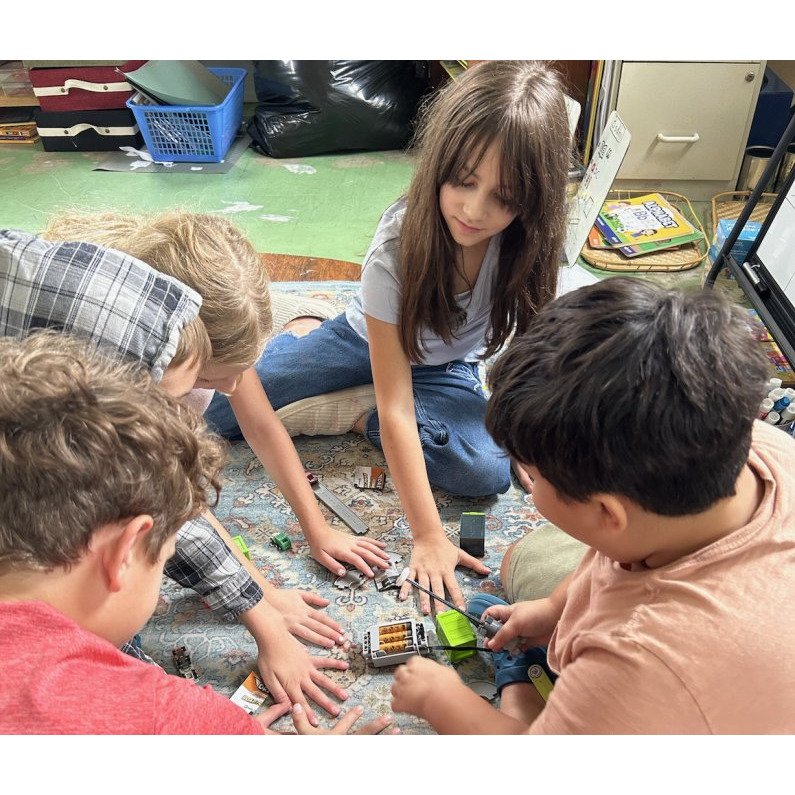
Families who want ready-made ideas can look at our [page:1] for outdoor learning benefits. For a practical guide to structuring nature-based learning at home, see Nature-Based Learning for Elementary: A How-To Guide. If you are also looking for outside support, Homeschool Enrichment is one option to explore alongside your own plan.
How to Get Kids to Play Outside Without a Fight
Resistance is common, especially after a long stretch indoors. Try these approaches:
- Offer a choice between two outdoor options
- Bring a special item, such as a magnifying glass or a bird guide
- Start with a short, low-pressure visit
- Invite a friend or another homeschool family
- Let children lead the walk and pick the route
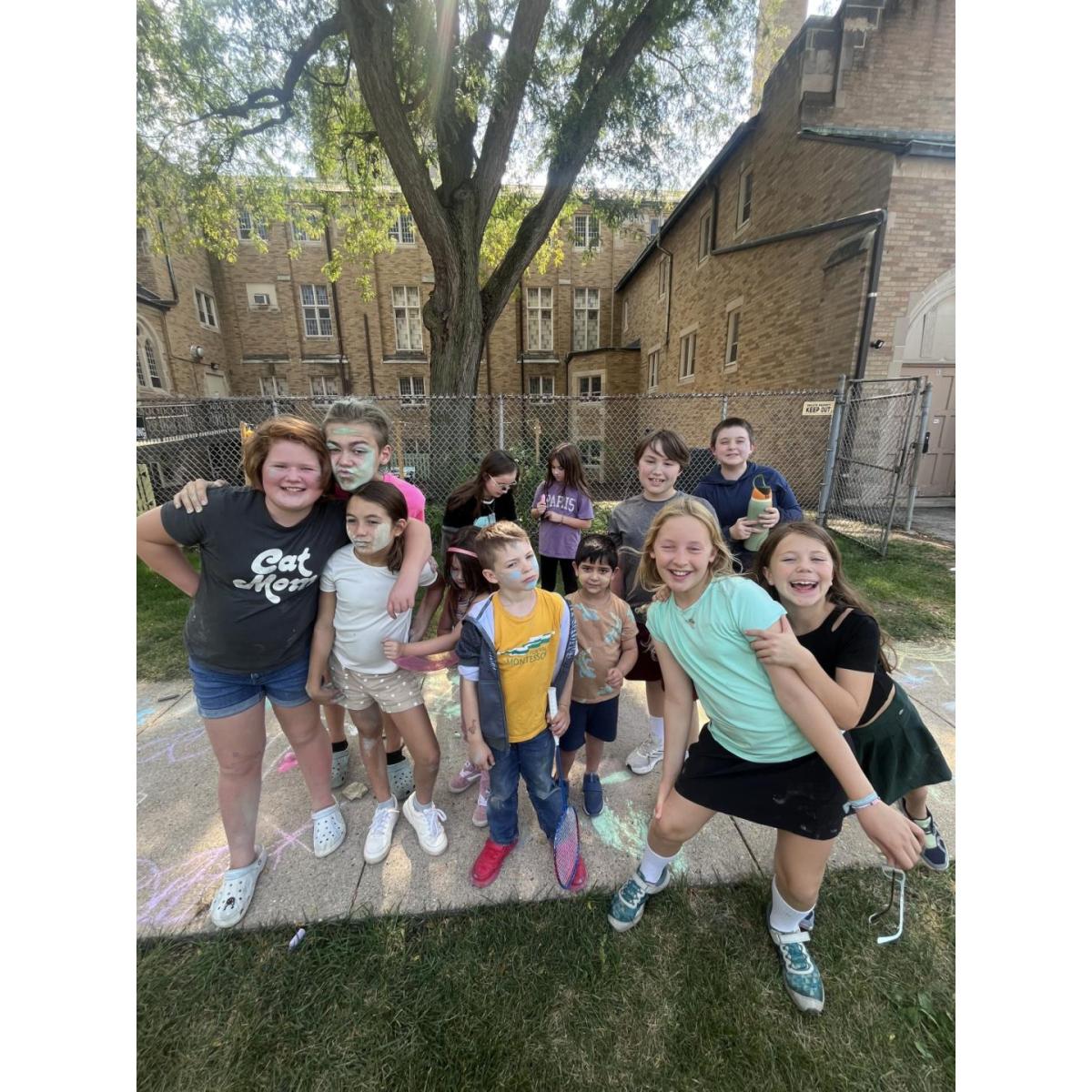
Our [page:4] offers hands-on play ideas for building outdoor learning together.
Setting a Simpler Homeschool Daily Schedule
A lighter schedule often helps more than a stricter one. Plan one or two core academic goals each day, then leave room for play, rest, and exploration.
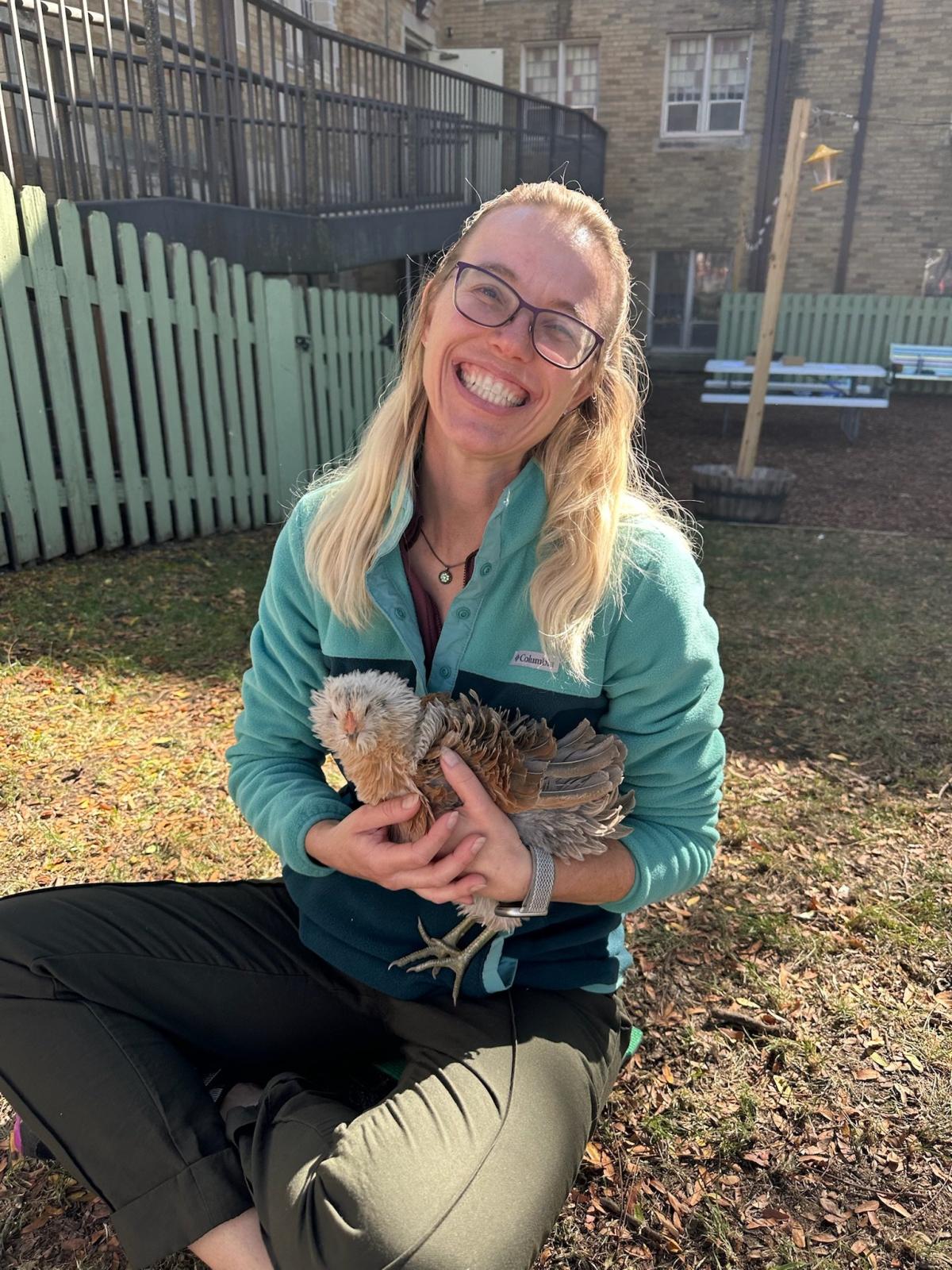
A simple daily rhythm might look like this:
- Morning: One focused lesson, such as reading or math
- Mid-morning: Outdoor play or a nature walk
- Afternoon: Independent work, hobbies, or a read-aloud
- Late afternoon: Free time and family time
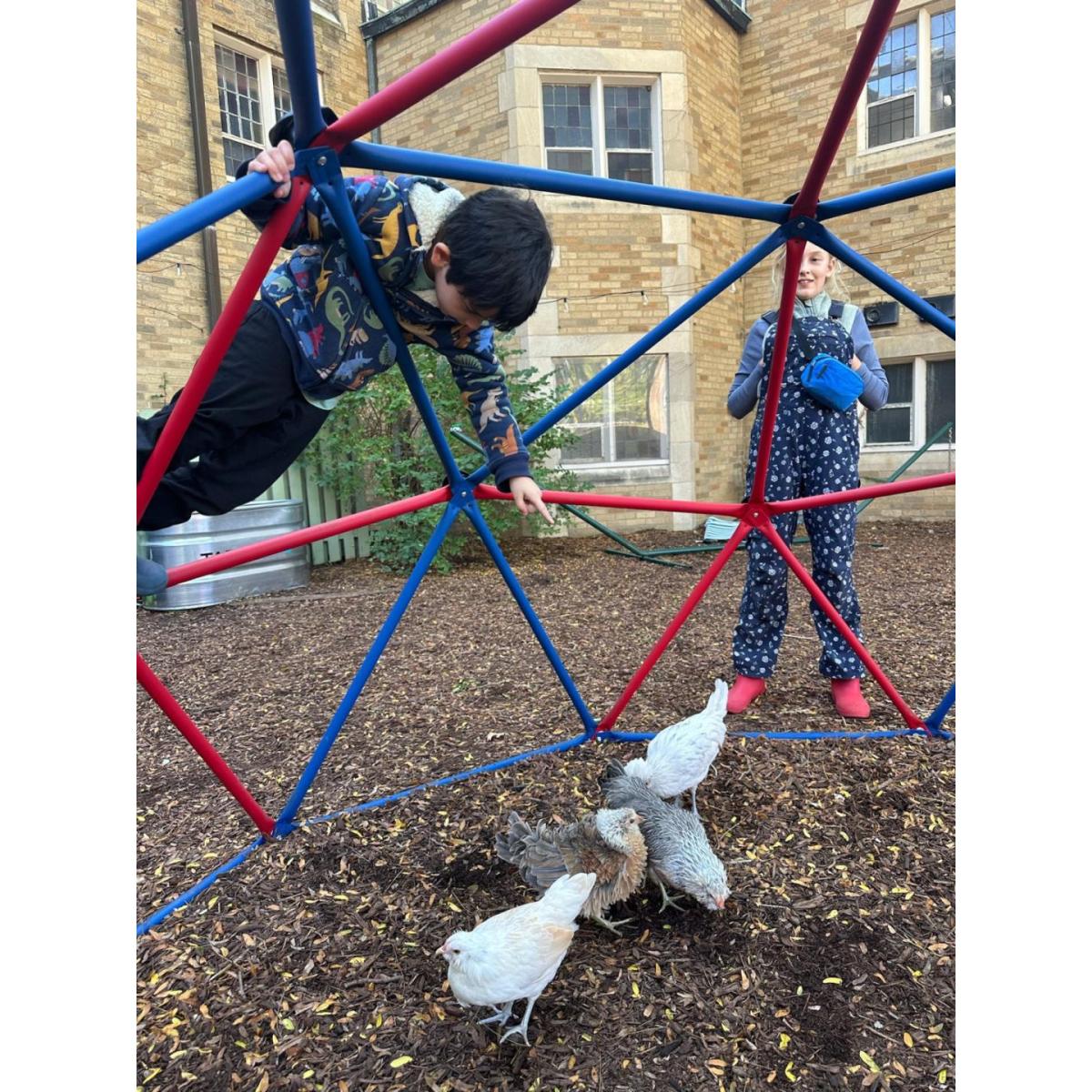
If your family is shifting into a new routine, our [page:5] explains how to ease children into a calmer rhythm. For printable materials to support that shift, Home Learning Resources can help you keep lessons light and flexible.
Safety, Seasonal Planning, and Community Connection in Aurora
Seasonal logistics. Winter outings need layers, waterproof boots, and a shorter time window, 20 to 30 minutes is often enough. Summer outings need sun protection, extra water, and morning or late-afternoon timing to avoid the hottest part of the day. Spring and fall are the easiest seasons for longer trail walks, but spring mud and fall early dusk both shorten the usable window. Check the forecast the night before and keep a backup indoor plan ready.
Safety basics for every outing. Bring water, snacks, layers, a charged phone, and a small first-aid kit. Tell someone where you are going if you are heading to a trail. Check local park rules before you go, especially about dogs, bikes, and water access. If a child has allergies, carry the medication the family relies on and confirm park policies on pets and plants.
Accessibility. Not every outing needs a trail. Paved loops, accessible playgrounds, and flat green spaces work just as well for a burnout reset. If a child uses a wheelchair, stroller, or mobility aid, call ahead or check park websites for surface and parking details before committing to a location.
Indoor alternatives. Illinois weather will cancel outings. Keep a short list of indoor backups: a nature documentary with a sketch pad, a windowsill bird count, a plant-and-water table, or a walk through a local indoor public space. The point is movement and a change of scene, not perfect conditions.
Community connection. Park days, homeschool co-ops, and nature groups in the Aurora area give children friends and give parents support. Shared outings also make outdoor time feel less like a chore and more like a rhythm the whole family can keep. If you are new to a group, start with one recurring park day rather than joining three activities at once.
Watch out: a single bad-weather week can convince a family the plan has failed. It has not, swap in an indoor backup, keep the block on the calendar, and resume outdoors when the weather clears.
Seasonal conditions and outing requirements shape how long and where a family can go, so the basics are worth checking before each trip.
| Season | Typical outing length | What to bring or adjust |
|---|---|---|
| Winter | 20 to 30 minutes | Layers, waterproof boots |
| Summer | Morning or late afternoon | Sun protection, extra water |
| Spring | Longer trail walks | Expect mud |
| Fall | Longer trail walks | Early dusk shortens the window |
Checking Whether Your Changes Are Helping
Track a few simple markers over four to six weeks:
- Does your child start the day with less resistance?
- Do lessons finish sooner without more fighting?
- Does your family feel calmer in the evenings?
- Are children asking more questions or playing more independently?
If you see steady improvement, keep going. If distress persists or worsens, reach out to a healthcare provider. Outdoor play helps many families recover from homeschool burnout, but it works best as one part of a broader support plan.
Headwaters Community Farm & Academy offers nature-based, Montessori-inspired learning rooted in Kane County. If you want a structured, land-based approach for your family, explore our home learning resources.
Frequently Asked Questions
What are the signs that a homeschool parent is burning out?
Common signs include persistent low energy, dreading the day's lessons, irritability that lingers, trouble sleeping, and losing interest in things you used to enjoy. A single hard week is ordinary fatigue. If these signs continue for several weeks despite rest and a lighter schedule, treat them as persistent distress and consider talking with a doctor or counselor. Start by writing down how often you feel this way, since patterns are easier to spot on paper than in memory.
How long should children play outside during a homeschool day?
There is no single required amount, and no fixed threshold is established for every child. Many families find that a daily block of outdoor time, split into one or two sessions, works well alongside lessons. Watch your children rather than a clock: if they are restless, irritable, or unable to focus, more movement outside often helps. Adjust for weather, age, and energy, and keep outdoor time a regular part of the routine rather than a reward.
What can I do if my kids refuse to play outside?
Start small and make outdoor time feel like their idea. Offer a choice between two or three activities, such as collecting leaves, building a fort from fallen branches, or walking a short trail with a scavenger list. Invite them to bring a friend, a book, or a magnifying glass. If resistance continues, check for underlying causes such as discomfort with temperature, fatigue, or a need for more autonomy, and adjust the setting or length of time accordingly.
Can outdoor play count as learning in a homeschool routine?
Yes. Outdoor play supports observation, measurement, language, and social skills. Counting seeds, tracking weather, sketching plants, or describing a creek's flow all connect to learning goals. Keep a simple log of what children explored and asked about, which gives you evidence of learning without needing a formal worksheet. Pair outdoor discovery with a brief reflection at home to strengthen what they noticed.