 How-to
How to Teach Empathy and Emotional Skills in Schools
Last Updated: November 4, 2026
Quick Summary
Empathy and emotional intelligence can be taught, but rarely through a worksheet. Children develop them by belonging to a community where their actions matter to other people. That community has to include frustration, disagreement, accountability, and repair. Teachers help most by modeling accountability out loud, helping children regulate before asking them to reflect, offering social emotional learning activities matched to each grade level, and treating repair as more than an apology.
- Adults teach the most by how they handle their own mistakes. “I was short with you earlier, and I’m sorry” does more than any kindness lesson.
- Regulation comes before reflection. A child flooded with feeling can’t reason through a conflict yet, and shouldn’t be asked to.
- Belonging grows through repetition: the same people, the same projects, the same shared responsibilities, week after week.
- Repair means changed behavior, not a forced hug or a scripted apology.
- Track what you can observe, like repair follow-through and who gets included, rather than scoring children on kindness.
Table of Contents
- Why Empathy Is a Teachable Skill, Not a Fixed Trait
- Examples of Empathy in the Classroom That Students Actually Notice
- Social Emotional Learning Activities for Students at Every Grade Level
- How Teachers Help Students Manage Emotions in the Moment
- Restorative Practices and Harm Repair in Schools
- Building a Classroom Community Where Empathy Can Grow
- Measuring Progress and Partnering With Families
- Frequently Asked Questions
Picture two kids who both want to carry the full watering can. One grabs it. The other yells. Water ends up mostly on someone’s shoes.
An adult could step in, decide who goes first, and have both children say sorry. That would take about forty seconds, and the problem would be over.
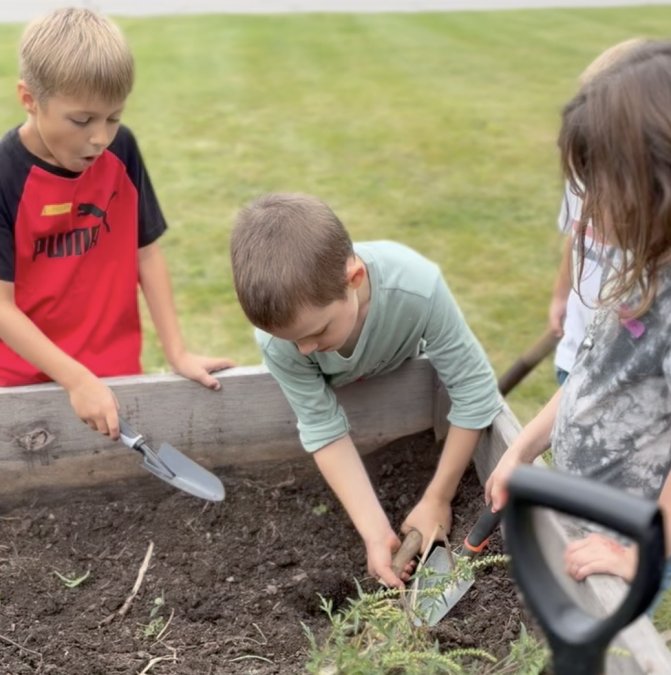
Or the adult could wait a moment. Let the yelling settle. Ask what happened. Notice that the garden bed still needs watering, and that two people want the same job. Then let the children work out a fair way to share it, with some help, and with the understanding that they’ll be working that bed together again next week, and the week after.
The second way is slower and messier, and it’s how children actually learn empathy.
Why Empathy Is a Teachable Skill, Not a Fixed Trait
Empathy is a set of skills that children learn, not a personality trait they either have or lack. Children differ in temperament, of course. Some are naturally more tuned in to other people, and some are more cautious or more focused on their own projects. But noticing what someone else feels, imagining their point of view, managing your own reactions, and repairing harm are all things children get better at with practice.
The research backs this up. A widely cited meta-analysis by researchers at Loyola University Chicago and the Collaborative for Academic, Social, and Emotional Learning reviewed 213 school-based social and emotional learning programs involving more than 270,000 students from kindergarten through high school. Compared to control groups, students in these programs showed significant improvements in social and emotional skills, attitudes, behavior, and academic performance, including an 11-percentile-point gain in achievement.
That matters for a simple reason. When adults assume empathy is fixed, they stop teaching it. They sort children into “kind kids” and “difficult kids” and manage the second group instead of helping them grow.
It’s also worth being clear about what empathy isn’t. It isn’t the same as being nice, compliant, or endlessly accommodating. A child can care deeply about how someone else feels and still say, “I don’t want to trade with you.” Emotional intelligence includes knowing your own needs and boundaries, not just reading everyone else’s.
You can see how these ideas shape a whole school in The Headwaters Model.
Examples of Empathy in the Classroom That Students Actually Notice
Students notice empathy in the classroom most when adults practice it in front of them, especially when something has gone wrong. Talks about kindness fade quickly. What children watch adults actually do tends to stay with them.
Teacher Modeling: The Quiet Curriculum
Children copy what they see far more than what they’re told. That puts a lot of weight on how teachers handle their own hard moments.
Modeling empathy isn’t about appearing calm and perfect all day. It’s about being accountable. A teacher who snaps at a student, then comes back later and says, “I was short with you earlier, and that wasn’t fair. I’m sorry,” is teaching something no lesson plan can. Children learn that adults make mistakes, that mistakes can be named, and that relationships can survive them.
There’s an important line here, though. Accountability shouldn’t turn into handing children responsibility for adult feelings. “I’m sorry I raised my voice. That was mine to manage” is accountability. “You made me so upset” puts an adult’s emotions on a child’s shoulders. The difference is subtle, and children feel it.
Modeling also shows up in how adults disagree with each other, how they respond when a plan falls apart, and whether they keep their promises. None of it is a lesson. All of it is teaching.
Naming Emotions Out Loud
Putting words to feelings helps children build emotional awareness, and it helps most when adults do it for themselves first.
- “I’m frustrated right now, so I’m going to take a minute before I answer.”
- “That sounded like it might have hurt. Did it land that way?”
- “I notice you got quiet. You don’t have to talk about it, but I’m here if you want to.”
That last one matters. Naming emotions is an invitation, not a requirement. Some children process out loud right away. Others need time, movement, or a quiet corner, and some will never want to talk about feelings in front of the group. A child who doesn’t share isn’t failing at emotional intelligence. Pushing children to disclose before they’re ready usually teaches them to perform feelings rather than understand them.
Social Emotional Learning Activities for Students at Every Grade Level
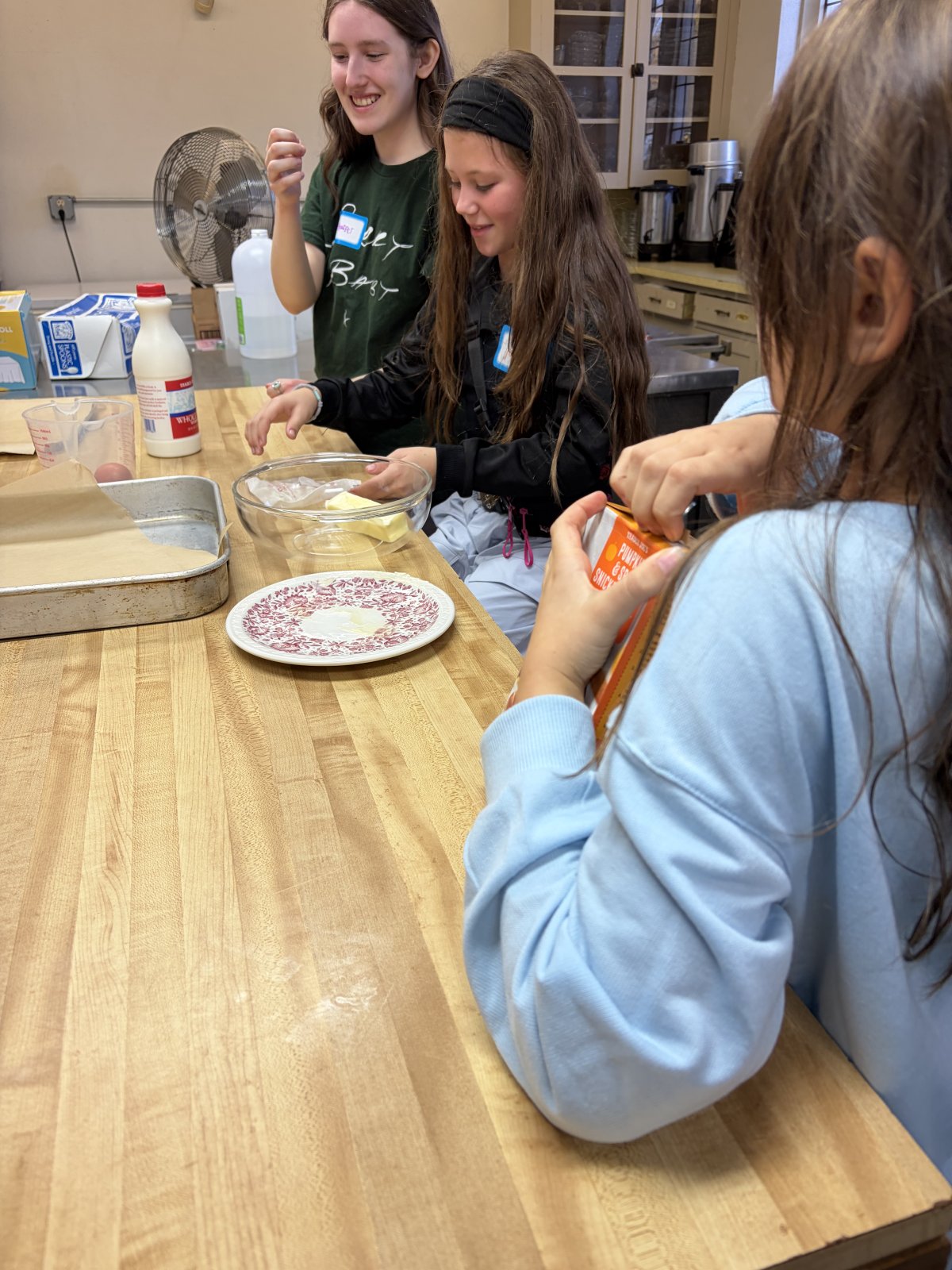
The best social emotional learning activities match a child’s stage of development, and they work best when they connect to real relationships rather than standing on their own. For families who want a ready-made starting point at home, our Montessori-informed kit Food & Feelings explores emotional intelligence through food, stories, and play.
The same skills come up again and again across the grades, but at each stage children can handle more complexity, more independence, and more responsibility for repairing harm.
For a ready-made, Montessori-inspired kit that teaches emotional intelligence through food, stories, and play, see Food & Feelings.
Secular Private Schools in Fox Valley: A Parent's Guide
Grades K-2: Stories, Role-Play, and Feeling Words
Young children learn empathy through stories and play because they’re still building the words for their inner life.
Read a picture book together and stop to ask, “How do you think she felt when that happened? How could you tell?” Use puppets to act out a small conflict, like two animals who both want the same snack, and try out different ways it could go.
Repetition helps a lot at this age. Introducing one feeling word a week and coming back to it during read-alouds, cleanup, and transitions gives children time to make the word their own. By Friday, “disappointed” isn’t just a vocabulary word anymore. It’s a feeling they’ve noticed and named.
Keep it short and concrete. Young children practice empathy far more on the playground than in a circle, so the real teaching happens in those moments, with an adult nearby to help.
Grades 3-5: Perspective-Taking and Classroom Discussions
Around this age, many children can start holding two points of view at once, which opens the door to real perspective-taking.
Open-ended questions help: “What might he have been thinking? What else could be true?” Push past the first answer. The goal isn’t to land on the right interpretation but to practice imagining several.
A weekly community circle with one discussion prompt gives children a predictable place to practice listening and speaking. Read-alouds with characters whose lives are different from their own build the same skill from another angle.
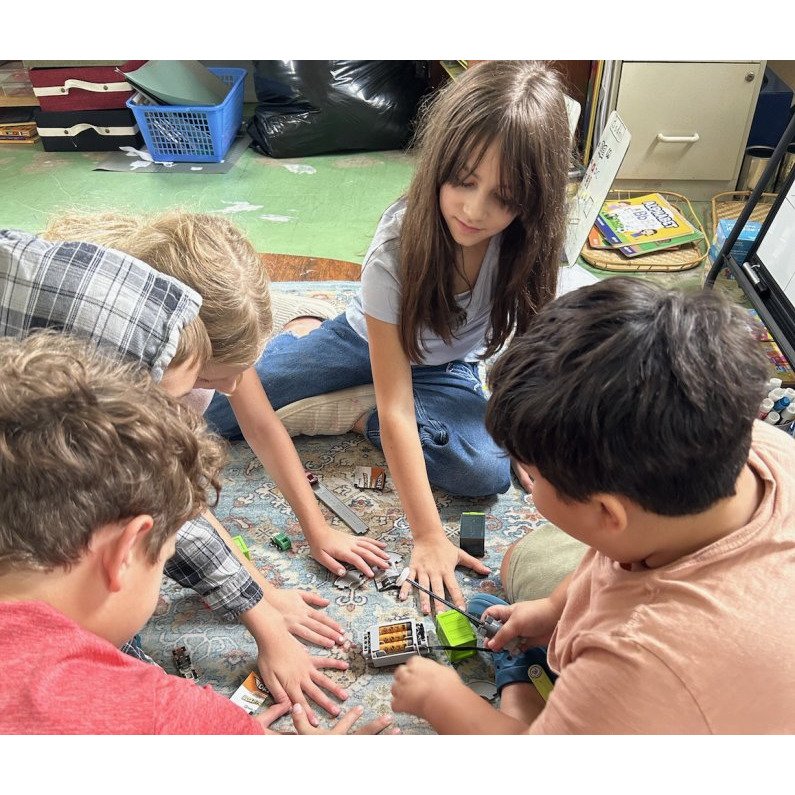
This is also the age when group work starts to get complicated, and that’s useful. Picture a small group deciding what to plant in a shared garden bed. One child wants sunflowers, another wants tomatoes, and there’s room for only one. The empathy lesson isn’t in a worksheet about compromise. It’s in the twenty minutes of real negotiation, with an adult helping when it stalls.
Grades 6-8: Real-World Learning and Student Voice
Middle schoolers need relevance, and they can spot a canned lesson from across the room. Empathy grows when the stakes feel real and their voices actually count.
Service learning, real decisions about how the classroom runs, and community projects that matter outside school all give older students chances to practice. One approach is to let students design a community project themselves, including real decisions about which need to address, how to spend a small budget, and how to share what they learned.
Role-play still works at this age if it reflects their real lives: a disagreement with a friend, a group project that went sideways, a text that landed wrong.
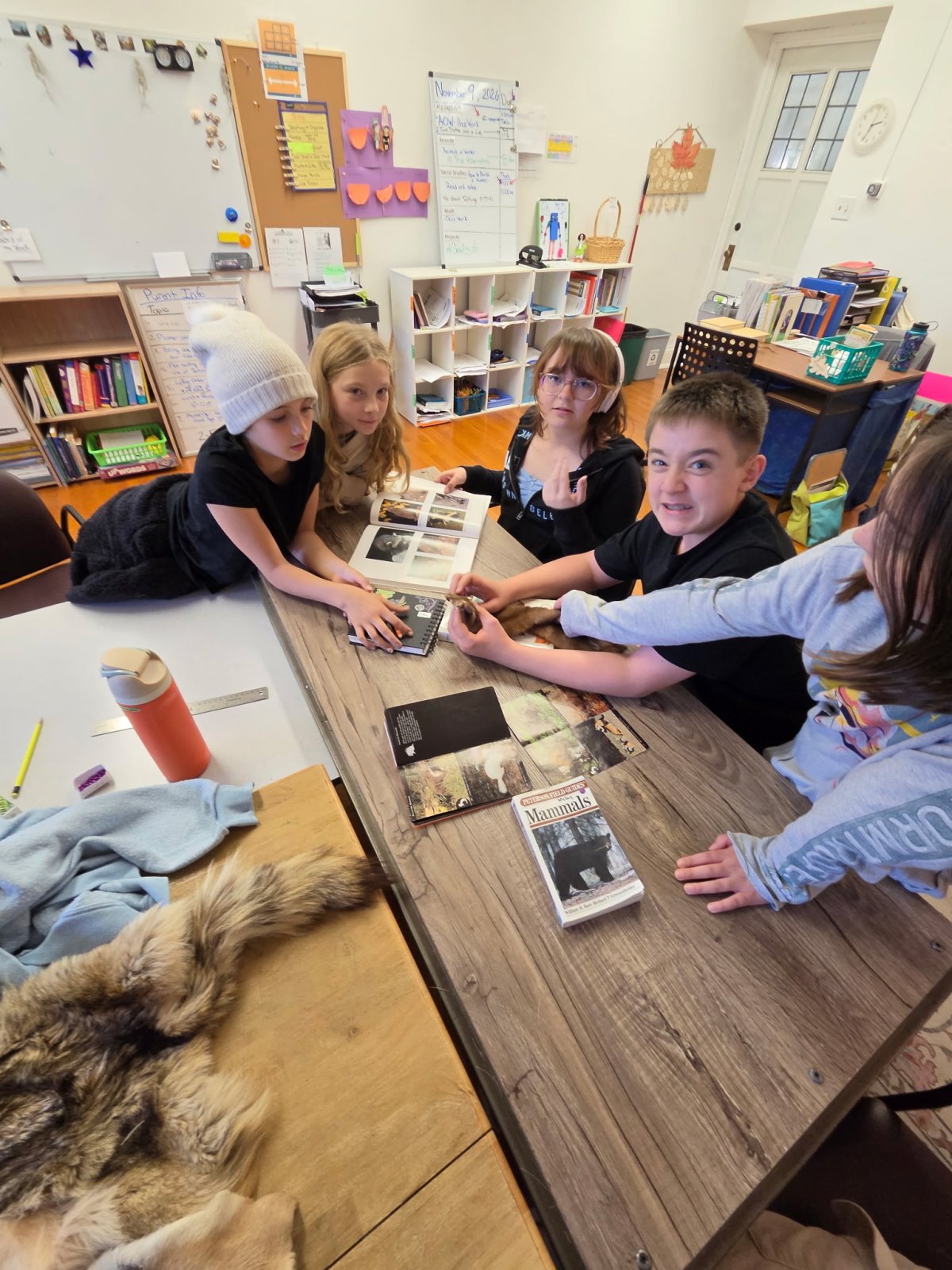
At Headwaters, our upper classroom brings students in grades 5 through 10 together, so older students regularly work alongside younger ones. That mix creates natural chances for leadership, patience, and noticing when someone needs help, plus the occasional frustration of explaining something for the third time. All of it counts as practice.
Grades 9-12: Ethical Reasoning, Repair, and Community Leadership
High schoolers are ready for harder questions. What do you do when empathy and fairness pull in different directions? How do you repair harm you caused to a friend or a group? How do you lead people through disagreement without losing yourself in the process?
Teenagers are also figuring out who they are, which makes boundaries especially important. Emotional intelligence at this age includes caring about other people’s experiences while still holding onto your own values, saying no when you need to, and recognizing when a relationship isn’t healthy.
Many schools train older students in restorative practices so they can help facilitate circles and peer mediation, including for younger students. Group projects with shared accountability, where the result depends on everyone, give teenagers real practice in collaboration, frustration, and repair.
As Headwaters builds its high school program, set to roll out in fall 2027, these are the kinds of skills we expect to keep developing as students grow into more independence.
Across every grade level, the core stays the same: notice feelings, practice perspective-taking, and repair harm.
Grade band | Focus | Example activity |
|---|---|---|
Grades K-2 | Stories, role-play, feeling words | Picture book read-aloud, then ask how the character felt |
Grades 3-5 | Perspective-taking and discussion | Weekly community circle with one discussion prompt |
Grades 6-8 | Real-world learning and student voice | Students co-design a community project and decide the budget |
Grades 9-12 | Ethical reasoning, repair, leadership | Peer mediation training and restorative circle facilitation |
How Teachers Help Students Manage Emotions in the Moment
Teachers help students manage emotions by supporting them during the hard moment, not by lecturing about it later. The order matters: regulate first, reflect second, repair third.
Co-Regulation Comes Before Reflection
When a child is overwhelmed by anger, panic, or hurt, the part of them that can reason through a conflict is mostly offline for the moment. Asking “Why did you do that?” right then rarely gets a useful answer.
What usually helps first is co-regulation: a calm adult nearby who lends some steadiness. That might look like a lower voice, fewer words, and staying close without crowding. Sometimes movement helps, like walking, carrying something heavy, or getting outside. Sometimes it’s a quieter space, a drink of water, or simply time.
A deep breath can help, but it isn’t a cure-all, and telling an upset child to “just breathe” can feel dismissive. Different children settle in different ways. Part of a teacher’s job is learning what works for each one.
Then Reflection, Then Repair
Once a child is calm, there’s room to talk about what happened, and some children will need hours, or until the next day, to get there. Then comes the question of what to do next.
Impulse control and emotional regulation grow through repetition, not lectures. Noticing progress helps: “You were really angry and you wanted to yell. You didn’t. What did you do instead?” That question builds self-awareness and self-management together, and it shows children they already have more control than they thought.
Restorative Practices and Harm Repair in Schools
Restorative practices respond to harm by repairing relationships rather than only handing out punishment. The goal is real repair: understanding who was hurt, what they need, and what has to change.
A simple restorative conversation often follows four questions:
- What happened?
- Who was affected, and how?
- What’s needed to make it right?
- What will you do differently next time?
This is conflict resolution that builds relationship skills along the way. It takes longer than a consequence, and it usually teaches much more.
Apology Versus Repair
An apology is words. Repair is what happens afterward.
Sometimes repair means listening, without arguing, while someone explains how they were hurt. Sometimes it means giving them space, respecting a boundary they’ve set, replacing something that broke, or simply following through on a promise to act differently. Usually, the clearest sign of real repair shows up days later, in changed behavior.
Repair Without Forced Forgiveness
Restorative practice goes wrong when it pushes children to perform reconciliation. Children shouldn’t be made to hug, to say “it’s okay” when it isn’t, to share their feelings in front of a group, or to forgive before they’re ready.
The child who was harmed gets a say in what repair looks like, including the option of needing more time. Respecting that is part of what makes repair real for both children.
Building a Classroom Community Where Empathy Can Grow
Classroom community is what makes everything else in this article possible. Without belonging and emotional safety, lessons about empathy rarely stick.
Small, steady routines help build it: morning circles where every voice has a place, shared classroom jobs that actually matter, norms written with students rather than handed to them, and active listening practiced every day.
A safe learning environment isn’t a soft one. It’s the condition that lets students take risks, speak honestly, and stay engaged. Edutopia’s coverage of restorative and community-building practices shows how routines like these can shift school climate over time.
Belonging Through Repetition: Why the Same Community Matters
Single kindness activities, like a compliment chain or a kindness week, can be fun. But they rarely give children what they most need to practice empathy: an ongoing relationship with the same people over time.
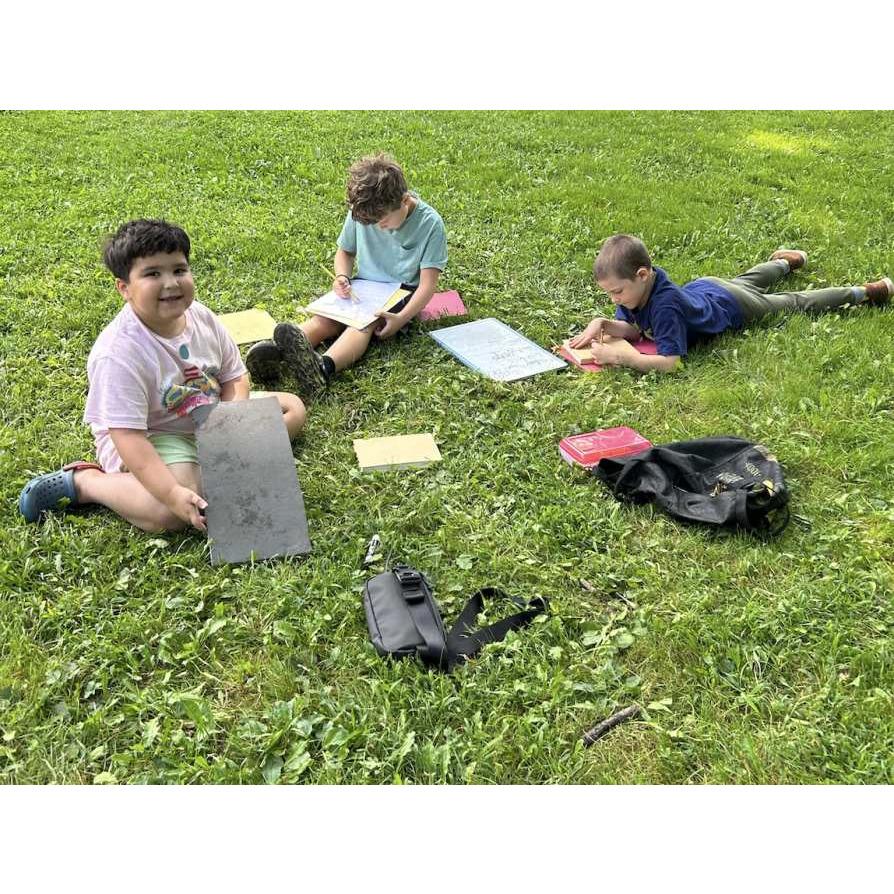
In a small community, children can’t simply avoid everyone they find difficult. They work with the same classmates on shared projects week after week. They go back to the same garden beds, the same outdoor places, and the same responsibilities. Relationships deepen, and disagreements have to actually be worked through, because tomorrow they’ll be on the same team again.
At Headwaters, children learn in small, mixed-age groups, much of it through shared outdoor work and food production. They plant from seed, tend, harvest, and preserve together. Picture a group whose seedlings didn’t make it because the watering schedule slipped. That situation holds many of the empathy lessons in this article: noticing how others feel about the loss, deciding how to share responsibility next time without blaming one person, and following through. It doesn’t feel like a lesson. It just feels like the work.
That’s our central idea about emotional intelligence. Children develop it by belonging to a community where their actions really matter to other people, and by practicing, over and over, what to do when things get hard.
Measuring Progress and Partnering With Families
Empathy shows up in behavior, not in test scores. That makes it easy either to overclaim progress or to ignore it. A more useful question is what you would actually look for, and how you would know it’s working.
Observable Indicators Worth Tracking
Instead of a single score, watch a few concrete signals over a term:
- Peer relationships. Who a student chooses to work with, and whether that circle widens over time.
- Dispute resolution. How often conflicts need an adult, compared with how often students start a repair themselves.
- Feeling vocabulary. Whether students use feeling words on their own, in writing, in circles, or in passing.
- Repair follow-through. Whether a student who caused harm comes back and completes the repair, rather than only apologizing.
- Inclusion moments. Whether quieter or newer students get pulled into groups by their peers, not just by teachers.
None of these produces a clean number, and that’s intentional. You can pair observations with short student reflections and a simple survey asking whether students feel heard and whether they feel safe disagreeing. Treat the results as the start of a conversation, not a verdict.
One caution: grading empathy tends to produce performance instead of practice. Keep assessment private and focused on growth, and resist turning kindness into a rubric.
Culturally Responsive and Neurodiversity-Affirming Measurement
Emotional expression varies widely. Some children grow up in families where feelings are expressed openly and often. Others learn to be reserved. Some neurodivergent children show care in ways that look different from what adults expect. They may avoid eye contact, speak bluntly, or show concern through actions rather than words.
So it’s important not to treat eye contact, talkativeness, outward warmth, or quick emotional sharing as proof of empathy. A child who quietly brings a classmate their forgotten coat is showing empathy, whether or not they ever talk about it.
A helpful habit is describing what you observed rather than what you inferred. “She sat with him at lunch after the argument” is an observation. “She’s kind” is an inference. Observations translate better across cultures, families, and different ways of being in the world.
Respecting different forms of expression doesn’t mean lowering expectations. Every child is still expected to treat others with respect. The path to getting there can look different.
Partnering With Families
Partnership with families runs both ways. Ask parents what they see at home: who their child talks about, how they handle frustration, and what repair looks like in their household.
A few routines help:
- Share the week’s feeling word, along with one question families can bring up at dinner.
- Invite families to share how their culture talks about emotions, and treat that as part of the learning.
- When harm happens, bring families in early with a repair plan rather than after the fact.
- Offer a short family workshop on restorative questions, so home and school are using the same language.
When home and school use the same words, children spend less energy translating between them and more energy practicing. And when the adults around them are honest about their own repairs, children learn that repair is a normal part of being in relationship with other people.
Bringing Empathy Education Into Your Home or School Community
You don't need a new program to start. Pick one routine, practice it for a month, and watch what changes.
Families in Kane County can explore our curriculum to see how we build these skills across grades. If you're weighing a school change, our guide to moving to a microschool walks through emotional readiness and a smooth start. For families already learning at home, our Homeschool Enrichment and Home Learning Resources offer ways to bring these same routines into your own rhythm. Ready to talk? Start the admissions conversation whenever it feels right.
Frequently Asked Questions
Can empathy really be taught in schools?
Yes. Children differ in temperament, but the skills behind empathy, like noticing feelings, taking another person’s perspective, managing your own reactions, and repairing harm, all improve with practice. Large reviews of school-based social and emotional learning programs have found improvements in students’ social skills, behavior, and academic performance.
What are good social emotional learning activities for students?
The best activities fit a child’s developmental stage. Younger children do well with stories, puppets, and one feeling word a week. Older elementary students benefit from community circles and perspective-taking discussions. Middle and high school students grow through real projects, student voice, peer mediation, and restorative practices.
How do teachers help students manage emotions?
Teachers help most by supporting a student during the hard moment: offering calm presence first, then reflection, then repair. A child who is overwhelmed usually can’t reason through a conflict yet, so regulation comes before any conversation about what happened.
What are restorative practices in schools?
Restorative practices respond to harm by focusing on repairing relationships. Students talk through what happened, who was affected, what’s needed to make it right, and what they’ll do differently. Real repair is about changed behavior over time, not a forced apology or forgiveness.
Empathy is built in small, repeated moments: a named feeling, a repaired harm, a circle where every kid gets heard. That work takes patience, and it takes a community willing to get it right. At HEADWATERS, our teachers bring deep experience to a small, land-based setting where social-emotional growth sits alongside real academics. Explore our curriculum, or start the admissions conversation and see whether our Aurora campus fits your family.