 Comparison
Microschool vs Homeschool for Elementary Students
Last Updated: November 7, 2026
Quick Summary
The microschool vs homeschool choice for elementary students comes down to who carries the weight of your child's education day to day. In a microschool, a paid educator leads a small group in a shared space, while in homeschooling a parent directs the learning, usually at home. That single structural difference shapes cost, friendships, and how quickly you notice a struggling reader.
- Microschools vary widely, so a visit and a conversation with the teachers matter more than the label.
- In a microschool, community is the default; in homeschooling, it is a deliberate build.
- If a parent steps back from paid work to teach, that forgone income is often the largest hidden cost.
- Ask any microschool for its all-in cost, since a low tuition quote can exclude materials and activities.
- Verify current homeschooling requirements with your state education agency rather than relying on a comparison article.
Table of Contents
- Microschool vs Homeschool for Elementary Students: The Core Difference
- What Is a Microschool, and How Does It Work?
- Microschool vs Homeschool for Elementary Students Pros and Cons
- Microschool vs Homeschool Socialization: Peer Interaction and Community
- Cost, Curriculum, and Daily Logistics Compared
- Finding a Micro School Near Me in the Aurora Area
- Evaluating Quality and Student Progress at Any Age
- Visit a Kane County Microschool Before You Decide
- Frequently Asked Questions
Microschool vs Homeschool for Elementary Students: The Core Difference
The microschool vs homeschool for elementary students question comes down to one thing: who carries the weight of your child's education day to day. In a microschool, a paid educator leads a small group in a shared space. In homeschooling, a parent directs the learning, usually at home. That single structural difference shapes everything else, from cost to friendship circles to how quickly you notice a struggling reader. At Headwaters, a Montessori-informed microschool in Kane County, Illinois, we meet families weighing exactly this choice. Here is the honest comparison.
What Is a Microschool, and How Does It Work?
A microschool is a small, intentionally organized learning environment where a teacher or facilitator guides a group of students, often across a narrow age band, in a shared space rather than a traditional classroom building. Microschools vary widely.
That variation matters for elementary families. The people running a microschool may be certified teachers, experienced educators, or parents with strong homeschooling backgrounds, and the quality of the program tracks closely to who leads it.
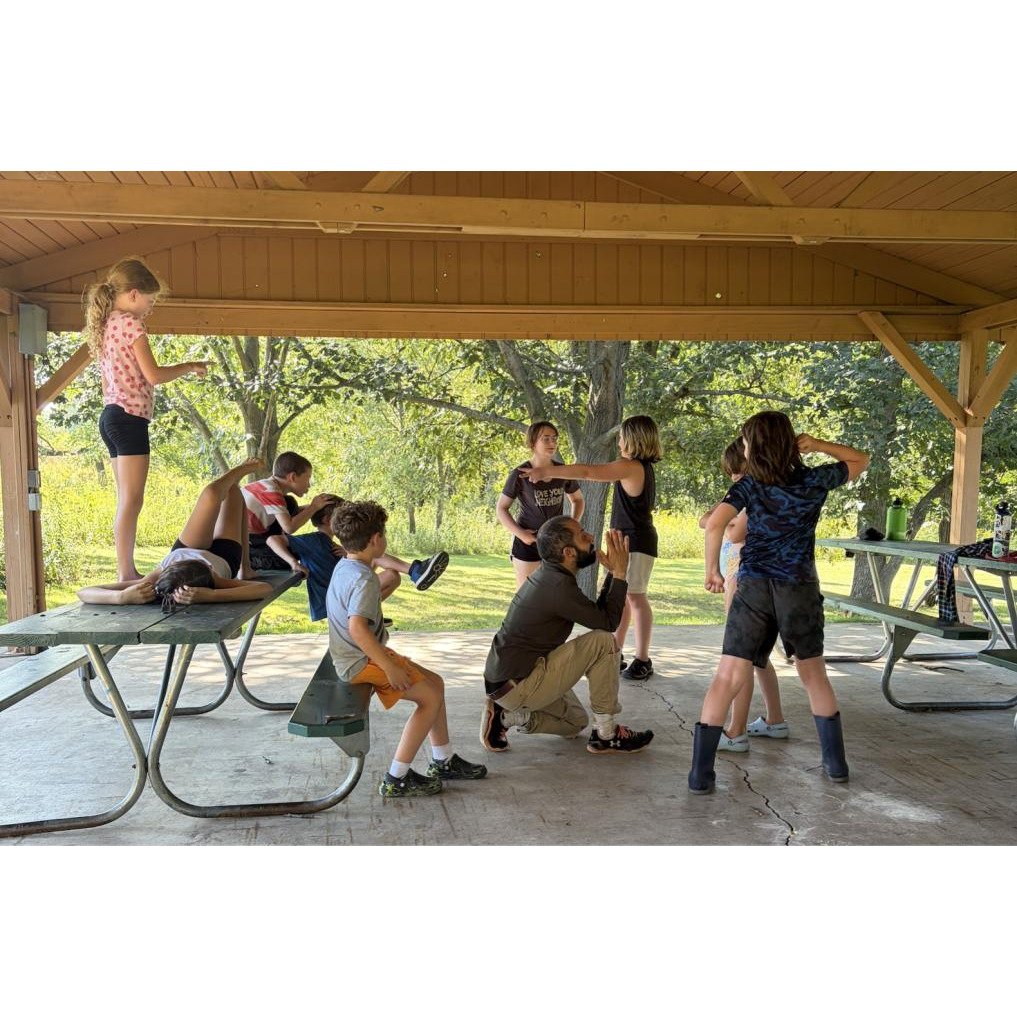
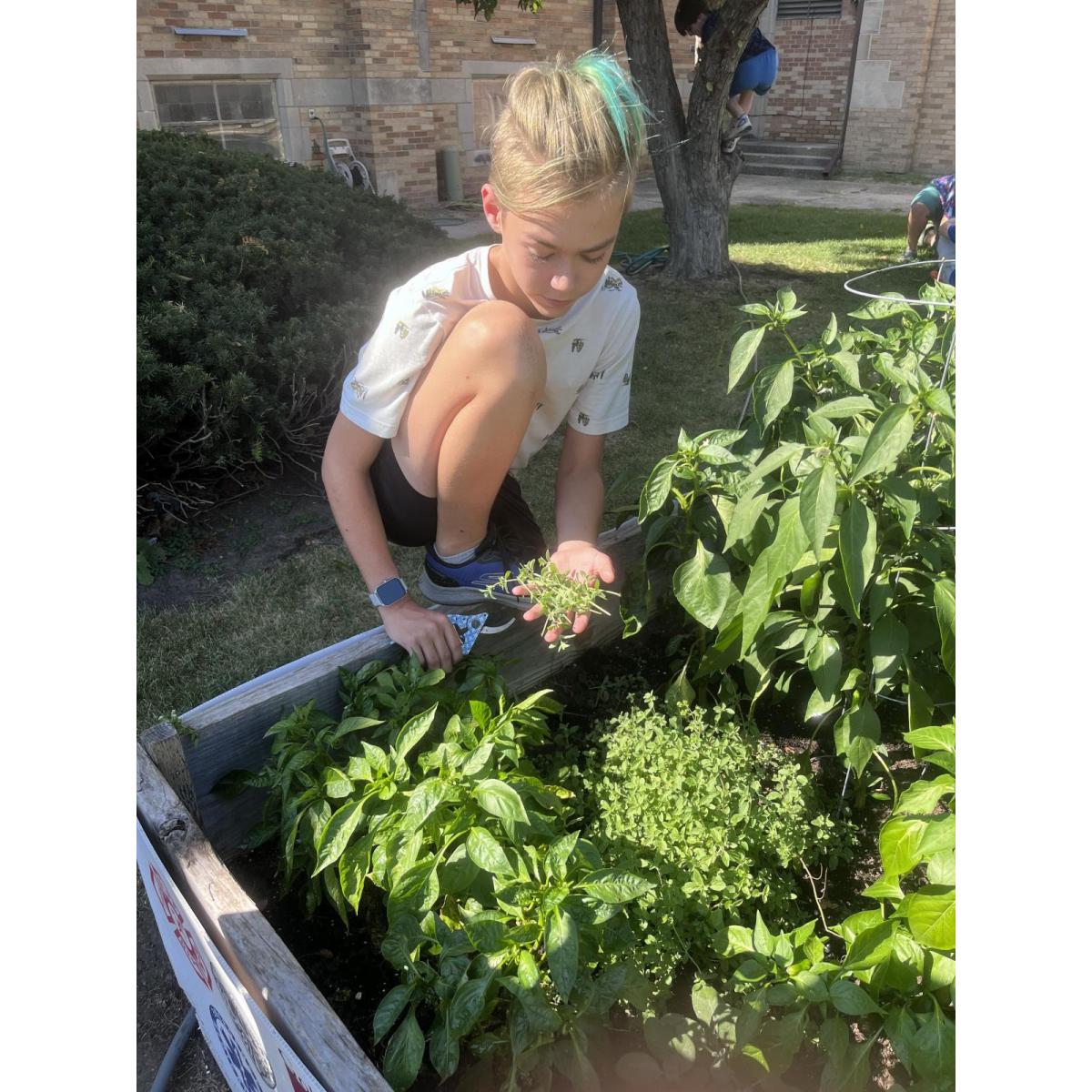
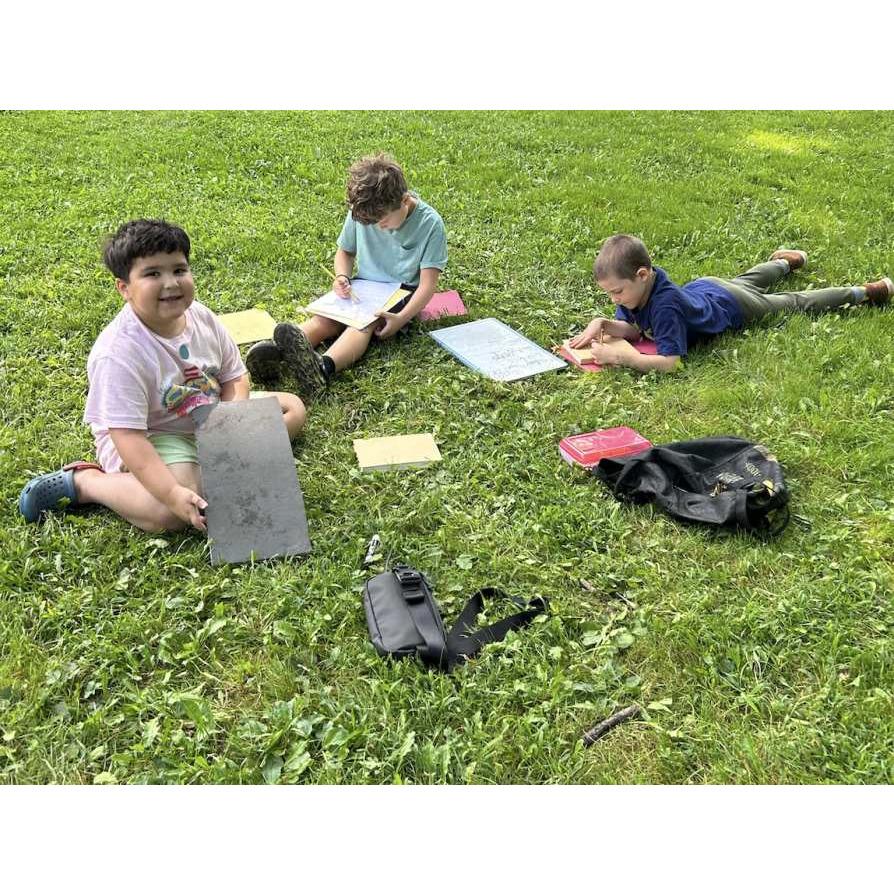
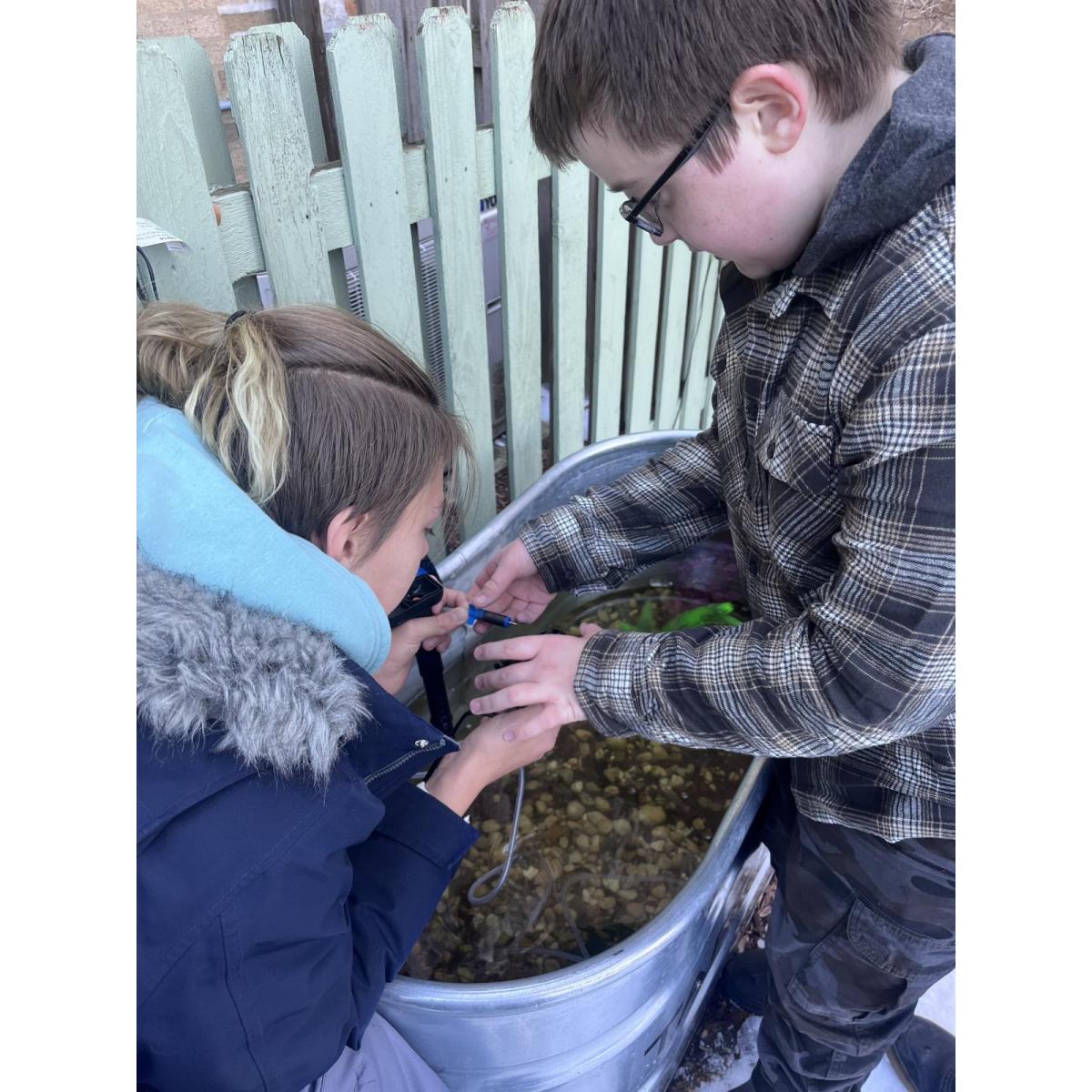
At Headwaters, we run a Montessori-informed, land-based model where small groups of children learn indoors and outdoors on a working community farm. You can read how our microschool model works if you want to picture a real day.
Microschool vs Homeschool for Elementary Students Pros and Cons
Neither model is universally better. The pros and cons of microschool vs homeschool for elementary students hinge on your family's time, budget, and appetite for shared responsibility.
Microschool pros: instruction comes from educators; small-group learning gives steady peer interaction; the school carries curriculum planning and assessment; parents keep evenings and weekends for family life.
Microschool cons: tuition is a real cost; you accept the school's schedule and calendar; you must vet the program's quality yourself.
Homeschool pros: maximum flexibility in pace, schedule, and curriculum choice; no tuition; deep parent involvement in every subject.
Homeschool cons: the teaching load falls on you; socialization takes deliberate effort; parents must build accountability and assessment structures from scratch.
Where Each Model Wins for Elementary Learners
Microschool tends to win for families who want teacher-led instruction and a built-in peer group, especially when both parents work or when a child thrives on routine. Homeschool tends to win when a child needs a customized pace, the family travels, or a parent genuinely wants to teach. Many families blend the two through a homeschool co-op or enrichment program, which is why we offer homeschool enrichment for families who want community without a full enrollment.
Microschool vs Homeschool Socialization: Peer Interaction and Community
Microschool vs homeschool socialization is a factor many families weigh heavily. A microschool builds peer interaction into every day: the same small group of children, the same adults, the same shared routines.
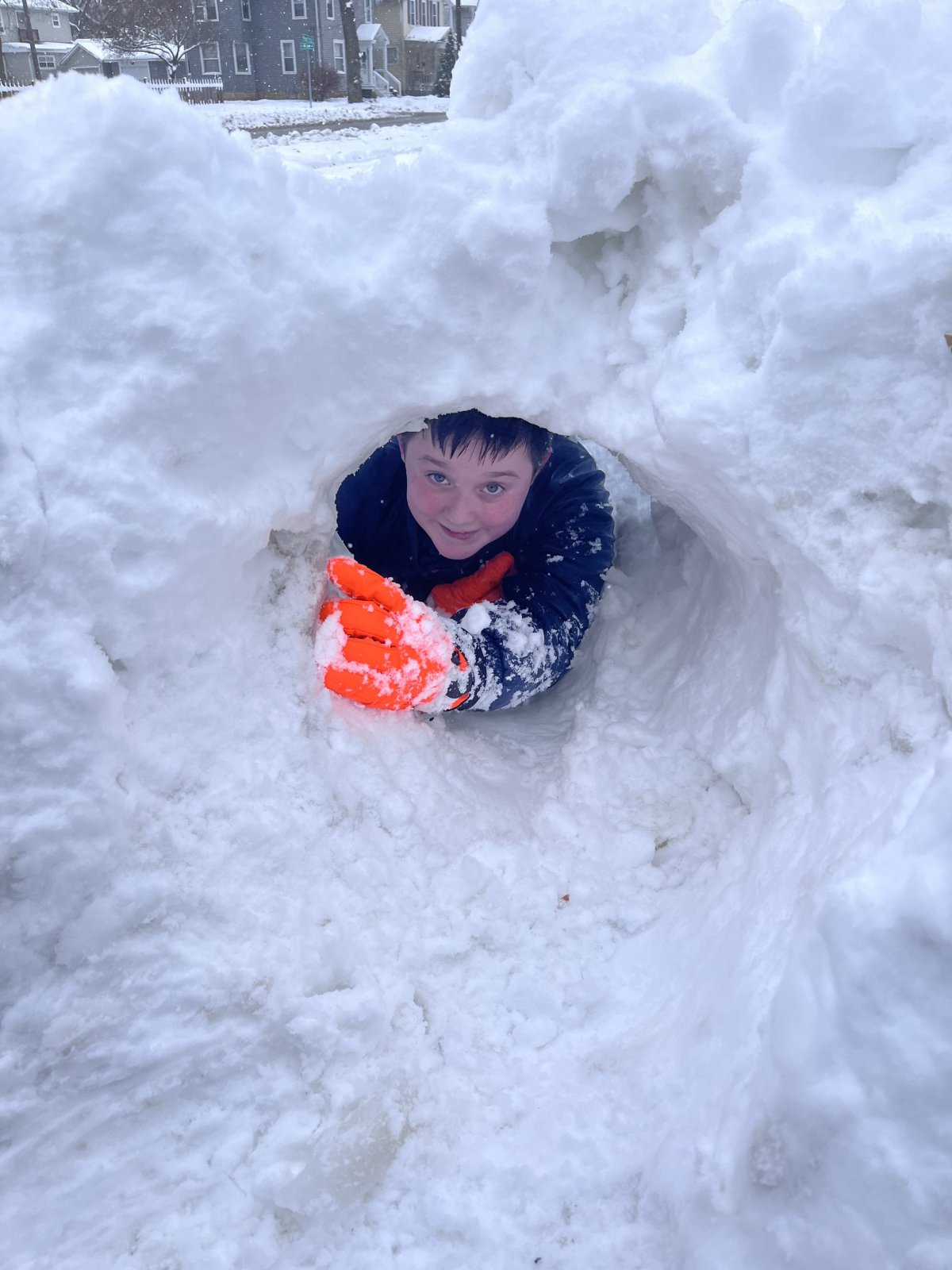
Homeschooling can absolutely produce strong socialization. But it requires planning: co-ops, sports, library groups, classes. The difference is that in a microschool, community is the default; in homeschooling, it is a deliberate build. Neither is wrong. One simply asks more of the parent.
Cost, Curriculum, and Daily Logistics Compared
Cost, curriculum, and daily logistics are where microschool and homeschool families feel the difference first. Here is the comparison, with the elementary-specific details that shape a family's week.
A like-for-like cost comparison
Homeschooling has no tuition line, but it is not free.
Microschool tuition is a real, visible line item, and it varies by program, schedule, and grade band. Rather than trust an average, ask each school for its full fee schedule, including any enrollment, materials, activity, or extended-day charges, and ask what is not included.
| Cost line | Microschool | Homeschool |
|---|---|---|
| Tuition | Yes, varies by program | None |
| Curriculum and materials | Usually included or bundled | Parent purchases |
| Outside classes, co-op, activities | Sometimes supplemental | Usually necessary for enrichment |
| Transportation | Daily commute to the site | Minimal, or to activities |
| Parent teaching time | Carried by the school | Carried by the parent |
| Forgone parent income | Usually not required | Often the largest hidden cost |
Watch out: a low tuition quote that excludes materials, activities, or extended care can end up costing more than a higher all-in figure. Ask any school for its all-in cost before you compare.
Curriculum: who chooses, who sequences, who adjusts
In a microschool, the school selects and sequences the curriculum, which can remove a planning burden from the family. The trade-off is that you accept the school's scope and sequence, so ask how it handles a child who is ahead in reading but behind in math, a very common elementary profile. You can also review our curriculum to see what a microschool curriculum looks like.
In homeschooling, the parent owns curriculum choice end to end. That is freedom for a family with a clear philosophy and weight for a family without one. Elementary curriculum decisions are consequential because early literacy and foundational math build sequentially; a gap in one year tends to surface in the next.
A realistic sample week
A microschool week often follows a set calendar with academic blocks, breaks, and outdoor or project time. The family's job is the commute, the drop-off and pick-up rhythm, and the evening routine, the school carries the instructional planning.
A homeschool week is built by the parent. A common pattern is focused morning academics, afternoon activities, classes, or co-op days, and deliberate scheduling of peer time so that socialization is not left to chance.
The logistics question to ask yourself is not which schedule looks nicer on paper but which one your household can sustain in week six, when the novelty has worn off and the routine has to hold.
Finding a Micro School Near Me in the Aurora Area
Searching for a "micro school near me" around Aurora means doing real homework, because microschools are not a standardized category.
Then ask the questions that reveal quality. How does the school measure academic progress? What happens when a child falls behind or races ahead? How are conflicts handled? What does a typical week look like, hour by hour? A strong program answers all of these without flinching.
Watch out: a warm, welcoming tour can mask thin academics. Ask to see student work and a sample schedule before you fall in love with the farm or the classroom.
Evaluating Quality and Student Progress at Any Age
Most comparisons stop at philosophy. The harder and more useful question is how you actually judge quality and progress for an elementary student, and how you verify what a program or a homeschool plan is legally and practically required to do. This is where a locally grounded evaluation beats a generic one.
Elementary progress, by developmental stage
Early elementary (roughly kindergarten through second grade) is where foundational literacy and numeracy are built. Look for explicit, systematic phonics instruction, daily practice in number sense and fact fluency, and growing independence with routines and self-regulation.
Upper elementary (roughly third through fifth grade) shifts toward comprehension, written expression, multi-step math, and executive function, planning, organizing, and finishing work. Ask how the program teaches students to manage a longer project and how it reports progress in writing and math reasoning, not just completion.
The questions are the same across models: Is my child reading fluently for their age? Can they explain their math reasoning out loud? Are they writing with growing clarity?
Concrete quality criteria to check
- Educator qualifications: who teaches, what degrees and experience they hold, and how stable the teaching team is.
- Class size and student-to-teacher ratio, and how the group is grouped by age.
- Assessment rhythm: regular reading and math checks, portfolios of student work, and parent conferences with specifics rather than general impressions.
- Progress reporting: how often, in what form, and whether it names next steps.
- Safety and supervision: ratios during outdoor and unstructured time, pickup procedures, and how incidents are handled.
- Learning support: what happens when a child needs extra help or extra challenge, and whether the program can accommodate it.
- Conflict and harm repair: how disputes between children are handled and whether repair is taught rather than just punished.
Verifying requirements in Illinois
Homeschooling requirements vary by state, and families are responsible for ensuring their instruction meets applicable expectations. Because requirements can change, verify current obligations directly with your state education agency and local regional office of education rather than relying on a comparison article.
For a microschool, confirm how the program is organized, as a private school, a learning center, or a homeschool hybrid, because that structure affects oversight, enrollment steps, and what records the school keeps.
Watch out: a warm tour and happy children can mask thin academics. Ask to see student work, a sample schedule, and a progress report before you decide, and verify legal requirements with the state.
Visit a Kane County Microschool Before You Decide
The best way to settle microschool vs homeschool for elementary students is to stand in both worlds. Spend a morning in a microschool, talk to the teachers, watch how children treat each other, and then imagine your own child in that room. If you are ready to start the conversation, you can learn more with us and see whether Headwaters fits your family.
Choosing between a microschool and homeschooling is one of the most consequential decisions you will make for your elementary student, and it deserves more than a brochure. At Headwaters, we offer a Montessori-informed, land-based education with small, intentionally human groups, explicit teaching of social-emotional regulation and communication, and a curriculum that connects children to the natural world.
Frequently Asked Questions
Is a microschool the same as homeschool?
No. In a microschool, a hired educator or facilitator leads instruction for a small group of students in a shared learning space, and families enroll much like they would a private school. Homeschooling means the parent directs the child's education, choosing curriculum and setting the schedule, even when the child attends a co-op or enrichment class. The core difference is who carries responsibility for daily instruction and accountability.
Are microschools a good option for elementary students?
They can be, especially for children who thrive with small class sizes and individualized attention. Elementary students benefit from consistent peer interaction and a structured daily routine, both of which a microschool provides. The fit depends on the specific program: ask about educator qualifications, curriculum scope, group size, and how progress is assessed before enrolling your child.
What are the pros and cons of microschooling versus homeschooling?
Microschooling offers teacher-led instruction, built-in socialization, and shared accountability, but it comes with tuition and less scheduling flexibility. Homeschooling gives families full control over curriculum, pace, and daily routine at lower direct cost, but it places the full teaching load on parents and requires deliberate effort to build peer interaction. Many families blend the two through enrichment programs and co-ops.
How do homeschooled and microschooled elementary students socialize?
Microschooled students see the same small peer group daily, which builds steady friendships and group work habits. Homeschooled children often socialize through co-ops, enrichment classes, sports, and community groups, which can be rich but depends on how actively the family schedules it. In both models, the amount of peer interaction is a planning decision, not an automatic outcome.
What should parents ask when evaluating a micro school near me in Aurora?
Ask who leads instruction and what qualifications they hold, how many students are in each group, how the curriculum covers core academics, and how the program measures progress. Ask about the daily schedule, outdoor time, and how the school handles conflict and harm repair. Visit in person, meet the teachers, and talk with current families before committing.