 Comparison
A Parent's Guide to School Garden Programs for Elementary Students
Last Updated: November 8, 2026
Quick Summary
A school garden program is a planned, sustained effort to grow food and learn outdoors on school grounds or a partner farm, tied to what students study in class. Strong programs connect garden work to grade-level science, math, and literacy, and they plan who tends the beds over summer break.
- Garden tasks like seed starting, weeding, and harvesting build motor skills, patience, and observation.
- Ask whether lessons tie to grade-level standards and whether garden time is planned into the week.
- Start small with two or three raised beds and pick easy crops like lettuce, radishes, and beans.
- Funding usually comes from two or three sources, such as seed companies and local foundations.
- Visit a farm-based program while children are outside and ask how much of the day is spent outdoors.
Table of Contents
- Why School Garden Programs Work for Elementary Students
- School Garden Activities for Elementary Students That Build Real Skills
- How a School Garden Curriculum Connects to the Classroom
- How to Start a School Garden Program, Step by Step
- School Gardening Grants and Funding Sources
- Comparing Your Options in Kane County and the Fox Valley
- Planning Around the Aurora Growing Season and Summer Break
- Visiting a Farm-Based Program Before You Enroll
- Frequently Asked Questions
Why School Garden Programs Work for Elementary Students
A school garden program is a planned, sustained effort to grow food and learn outdoors on school grounds or a partner farm, tied to what students study in class. Headwaters is a nonprofit community farm and Montessori-inspired academy in Kane County, where students learn through hands-on, outdoor, project-based work. This guide covers how these programs work, what to look for, and how to compare options near Aurora.
Many parents arrive with the same quiet worry. Will my kid actually learn out there, or is this just playing in the dirt?
Fair question. The answer sits in what the garden asks of a child.
What the Garden Adds to a Child's School Day
A garden is a classroom with consequences. A seed planted too deep does not come up, and a child learns that from the soil rather than from a correction. That feedback loop builds patience and care in a way worksheets rarely do.
The garden also adds movement, fresh air, and a shared project that belongs to everyone in the class. Children who struggle to sit still often lead the way outdoors.
School Garden Activities for Elementary Students That Build Real Skills
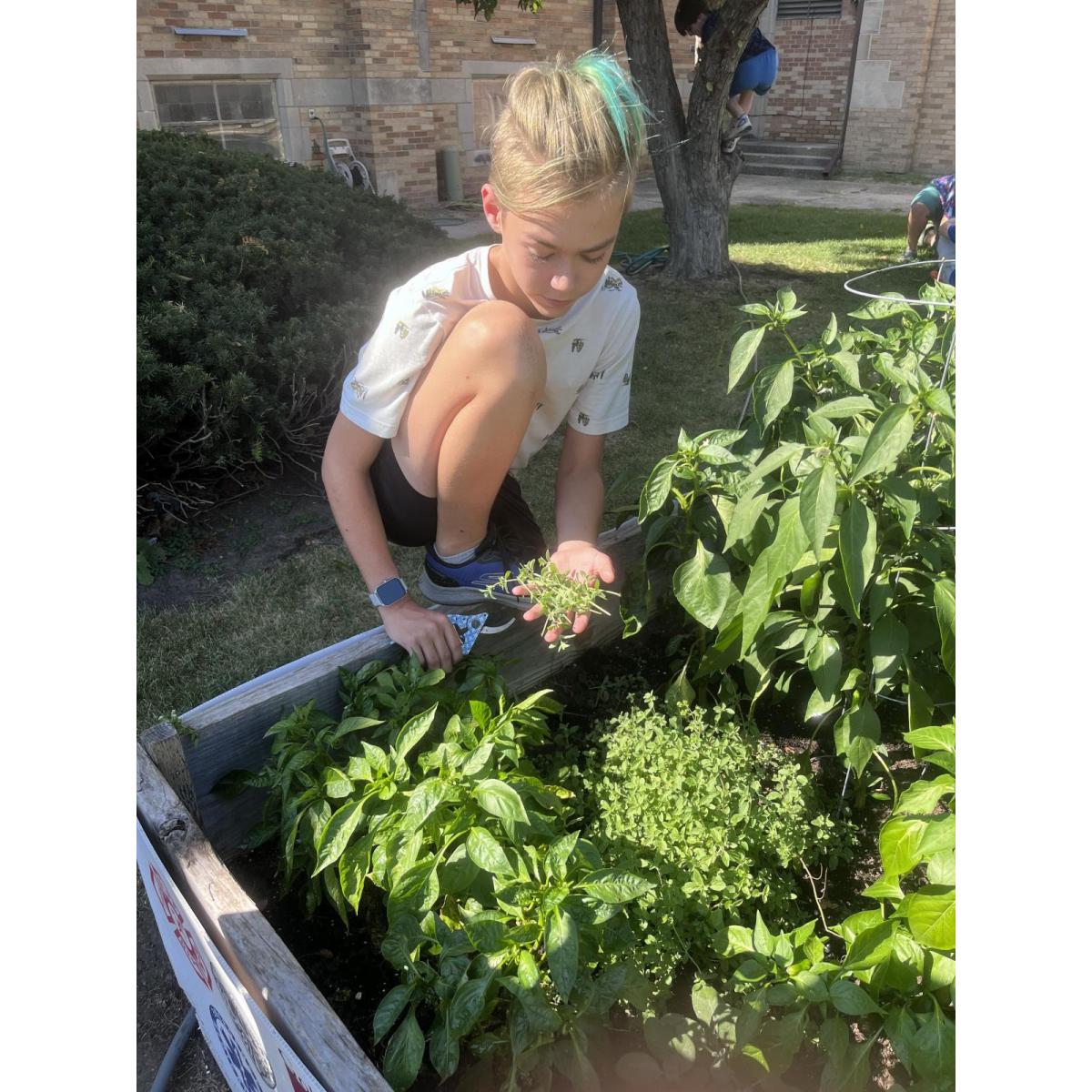
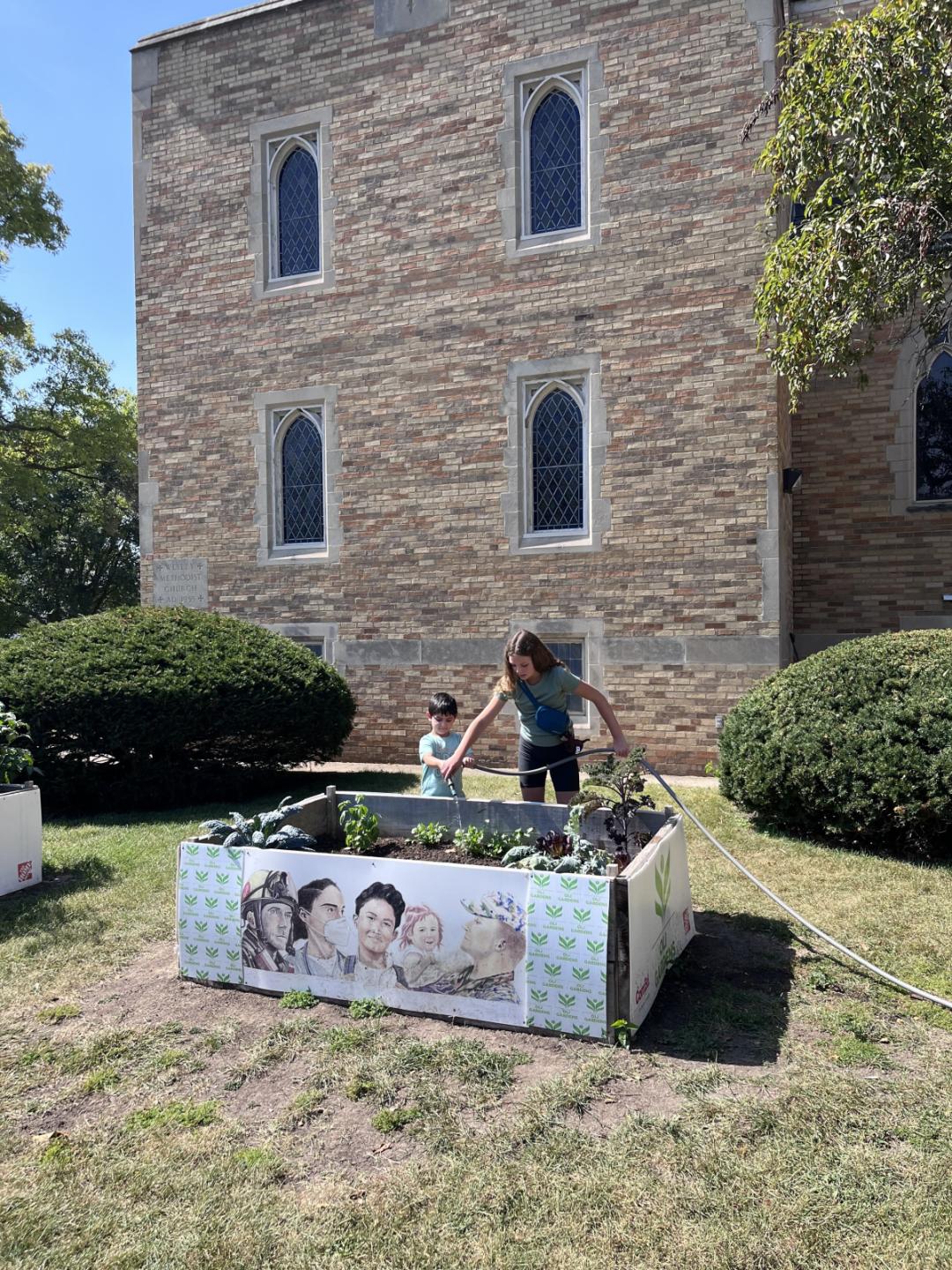
School garden activities for elementary students range from seed starting and bed preparation to watering, weeding, harvesting, and seed saving. Each task builds something specific: fine motor control from pinching tiny seeds, balance and strength from digging and carrying, and observation skills from watching insects and weather.
Here is what a season of garden work can develop:
- Cultivation and care: planting, thinning, and tending a crop from start to finish
- Physical work: digging, raking, carrying soil, and hauling harvest baskets
- Dexterity and focus: handling seeds, seedlings, and tools with control
- Food education: tasting what they grew and learning where food comes from
- Observation: tracking insects, birds, weather, and plant change over weeks
For families who want a deeper look at how this kind of outdoor project work builds engagement and regulation, our team wrote about outdoor project-based learning and why place matters.
How a School Garden Curriculum Connects to the Classroom
A strong school garden curriculum ties garden work directly to grade-level lessons rather than treating it as recess with shovels. Teachers can use the garden for science (plant life cycles, soil, insects), math (measuring bed spacing, counting germination rates, charting growth over weeks), reading and writing (garden journals, seed labels), and social studies (local food systems).
What Grade-Level Integration Looks Like
Here is how garden work can map to specific grade levels without adding a separate curriculum:
What to Look for in a Curriculum
Ask how the garden links to what your child already studies. A useful checklist:
- Lessons tie to grade-level science, math, and literacy standards
- Teachers plan garden time into the week, not as an occasional treat
- There is a plan for who tends the garden in summer
- The program has a simple way to show what students learned
Ask a teacher how they plan the connection, and listen for whether the answer is specific or vague.
Ask to see a journal page or a lesson plan that names a standard.
For families who want a deeper look at how this kind of outdoor project work builds engagement and regulation, our team wrote about outdoor project-based learning and why place matters.
How to Start a School Garden Program, Step by Step
Starting a school garden program takes a season of planning before the first seed goes in. Many programs begin with a small team, a clear site, and a modest bed or two.
Here is the sequence we would follow:
- Build a small team. Gather a few parents, a teacher champion, and a facilities contact.
- Choose the site. Look for full sun, water access, and visibility from the building.
- Decide who maintains it. Assign summer watering before you plant anything.
- Start small. Two or three raised beds teach you more than a half-acre you cannot tend.
- Pick easy crops. Lettuce, radishes, beans, and sunflowers forgive beginner mistakes.
- Connect it to class. Match planting to what students are studying that term.
- Plan the harvest. Decide where food goes: a tasting, a family event, or the cafeteria.
If you are a parent ready to begin at home or with a small group, you can grow food, save seeds, and find free support close to home.
School Gardening Grants and Funding Sources
School gardening grants and funding sources usually cover tools, soil, seeds, and bed materials, and many are offered by national gardening nonprofits, seed companies, and community foundations. A useful first step is to contact your school district and a local master gardener program to ask what funding already exists nearby.
A few practical funding paths:
- National gardening nonprofits that offer school garden grants and free planning guides, most run annual application cycles in late winter or early spring, so check their current guidelines rather than relying on last season's dates.
- Seed and supply companies that donate starter kits to schools; many accept requests through a simple online form and prioritize schools with a clear curriculum plan.
- Local community foundations and parent-teacher groups that fund small outdoor-learning projects; these often move faster than national grants and may not require a formal proposal.
- Master gardener programs that provide volunteer support and advice, which can reduce the need for paid labor and stretch a small budget further.
A common pattern is that schools cobble together funding from two or three sources rather than relying on a single grant. A parent-teacher group might cover raised-bed lumber, a seed company donates starts, and a local foundation funds a watering system. The key is to start with what your district already has, some schools have outdoor-learning budgets that go unspent because no one asks.
Watch out: grant amounts and deadlines change every year, and some national programs require a school administrator's signature or a nonprofit fiscal sponsor. Confirm eligibility and paperwork requirements before you build a timeline around a specific grant.
For families in Kane County, our homeschool enrichment program offers hands-on learning for homeschoolers. Contact us to learn more about current offerings.
Comparing Your Options in Kane County and the Fox Valley
Families comparing school garden programs in the Aurora area have several options, including a garden at a child's own school, a homeschool enrichment program, a farm-based academy, or a community garden. The right fit depends on how much time you want outdoors and how much structure you need.
| Option | Best For | What to Check |
|---|---|---|
| School garden at your school | Families wanting no extra commute | Who maintains it in summer |
| Homeschool enrichment | Homeschoolers wanting weekly outdoor learning | Curriculum and group size |
| Farm-based academy | Families wanting garden work woven into the school day | How academics and outdoor time balance |
| Family community garden | Families wanting to garden together | Plot availability and rules |
For families in Kane County, our homeschool enrichment program blends gardening, art, theatre, STEM, and hands-on learning in an eight-week community experience.
Planning Around the Aurora Growing Season and Summer Break
The Aurora growing season shapes what a school garden can realistically do, because the richest growing months fall partly during summer break. A program that ignores this ends up with bolted lettuce in June and an empty bed in August.
Plan the calendar around the school year. Start cool-season crops in spring, use the fall for harvest and seed saving, and build a summer watering plan with families or a nearby volunteer. A garden that stays tended through July teaches more than one abandoned in June.
Visiting a Farm-Based Program Before You Enroll
Visit before you commit, and visit while children are outside. Watch how teachers handle a child who is frustrated, how the group moves between indoor and outdoor time, and whether the garden work looks like real responsibility or a photo opportunity.
Ask direct questions:
- How much of the day is spent outdoors?
- How do you connect garden work to academics?
- Who tends the garden in summer?
- How do you handle a child who is new to outdoor learning?
When you are ready to take the next step, you can review K-12 admissions in Aurora, IL and start a conversation with our team.
Finding the right school garden program comes down to fit, not slogans. A program should show you its curriculum, its summer plan, and its teachers in action before you decide. At Headwaters, we pair a Montessori-inspired K-8 curriculum with land-based learning on our nonprofit community farm. Our small, intentionally human microschool environment and teaching of social-emotional regulation support children as they learn to think clearly and work deeply. Get started with Headwaters and see what a season in the garden can do for your child.
Frequently Asked Questions
What are some ideas for activities in an elementary school garden?
Keep activities tied to what the season is doing. In spring, students can dig beds, rake soil, and plant seeds indoors before moving them out. Summer brings watering rotations, weeding, and insect observation. Fall is for harvesting, seed saving, and putting beds to rest. Simple extras like measuring plant growth, sketching leaves, and weighing harvested vegetables turn garden time into math and science practice without a worksheet in sight.
How do you start a school garden program with limited space or budget?
Start smaller than you think. A few raised beds or even containers on a sunny paved area can carry a full season of learning. Begin with easy-to-grow plants like lettuce, radishes, beans, and sunflowers. Recruit a parent or teacher to coordinate volunteers, and look at school gardening grants for seeds, tools, and soil. The first year is about proving the routine works, not about building the biggest garden.
What plants are easiest for elementary students to grow in a school garden?
Radishes sprout fast and finish in weeks, which keeps young attention spans engaged. Lettuce and spinach grow quickly in cool weather. Bush beans are sturdy and easy to harvest. Sunflowers get tall enough to measure and produce seeds students can collect. Cherry tomatoes and peppers work well in raised beds once the soil warms. Choose plants that tolerate imperfect watering and missed summer days.
How can a school keep a garden program going during summer break?
Summer is where most school gardens fail, so plan for it before spring planting. Options include a family watering schedule, a partnership with a nearby community garden or farm, and choosing crops that mature before June. Some programs run short summer sessions or invite homeschool families to help tend beds. If your child attends a farm-based program, ask directly who tends the garden in July and August.