 Comparison
Nature-Based vs Classroom Sustainability Curriculum for Elementary Schools
Last Updated: November 17, 2026
Quick Summary
A sustainability curriculum for elementary schools is a planned sequence of lessons and outdoor experiences that teaches children how food, water, energy, and waste connect to their own daily lives. Strong programs combine academic grounding, experiential learning, student voice, and teacher practice rather than isolated activities.
- Four elements separate strong programs: academic grounding, experiential learning, student voice, and teacher practice.
- Nature-based programs add routine outdoor learning, while classroom-based programs lean on lesson plans and discussion.
- Audit any curriculum by scoring grade range, subject coverage, lesson format, implementation effort, and assessment evidence.
- Integrate sustainability inside existing subjects instead of adding a separate Friday afternoon block.
- Protect one longer weekly block plus short daily check-ins to carry a garden project through a season.
Table of Contents
- What a Sustainability Curriculum for Elementary Schools Must Include
- Nature-Based vs Classroom-Based Sustainability Curriculum: Side-by-Side
- The Best Sustainability Curriculum for Elementary Schools: What to Look For
- Free Sustainability Curriculum for Elementary Schools: Where to Start
- Integrating Sustainability into the Elementary Curriculum
- Sustainability Activities for Elementary Students That Build Real Skills
- Matching Your Child to the Right Sustainability Curriculum
- Frequently Asked Questions
What a Sustainability Curriculum for Elementary Schools Must Include
A sustainability curriculum for elementary schools is a planned sequence of lessons and outdoor experiences that teaches children how food, water, energy, and waste connect to their own daily lives. At HEADWATERS, we build ours around real work on a working farm, because children understand stewardship when they carry it in their hands.
Four things separate a strong program from a decorated worksheet packet:
- Academic grounding. Science, math, and English language arts outcomes are named and tracked, not implied.
- Experiential learning. Students plant, measure, compost, and observe across seasons.
- Student voice. Kids help choose projects and explain their thinking.
- Teacher practice. Adults get planning time and professional development, not just a binder.
Environmental literacy grows from repetition, not from a single Earth Day unit.
Nature-Based vs Classroom-Based Sustainability Curriculum: Side-by-Side
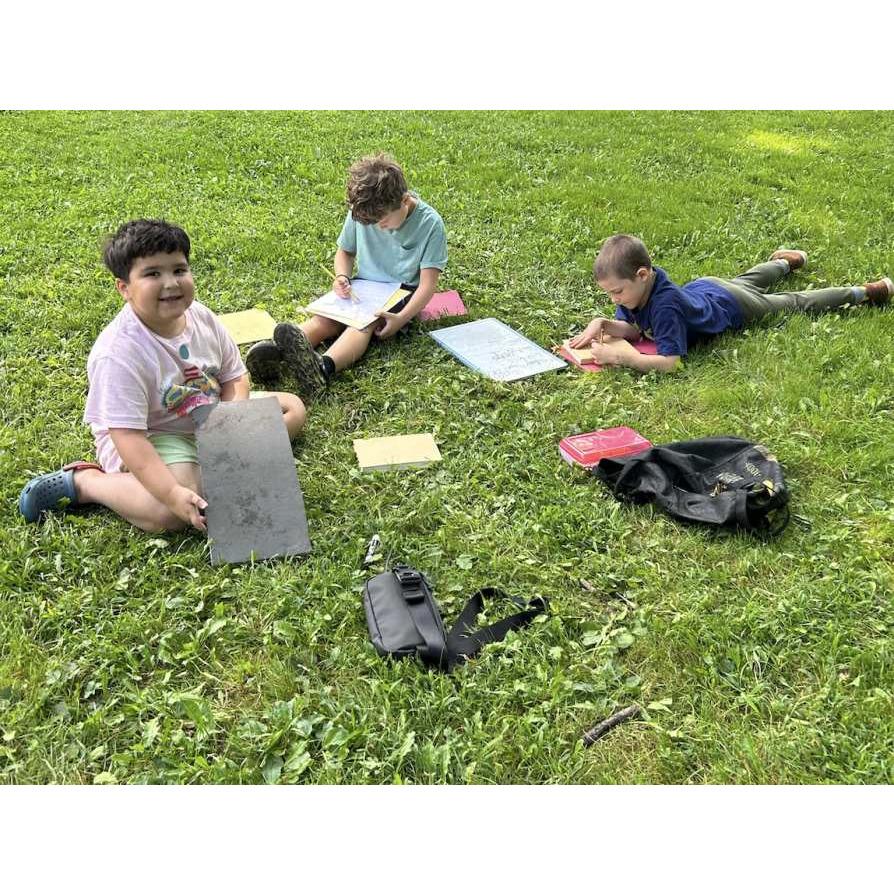
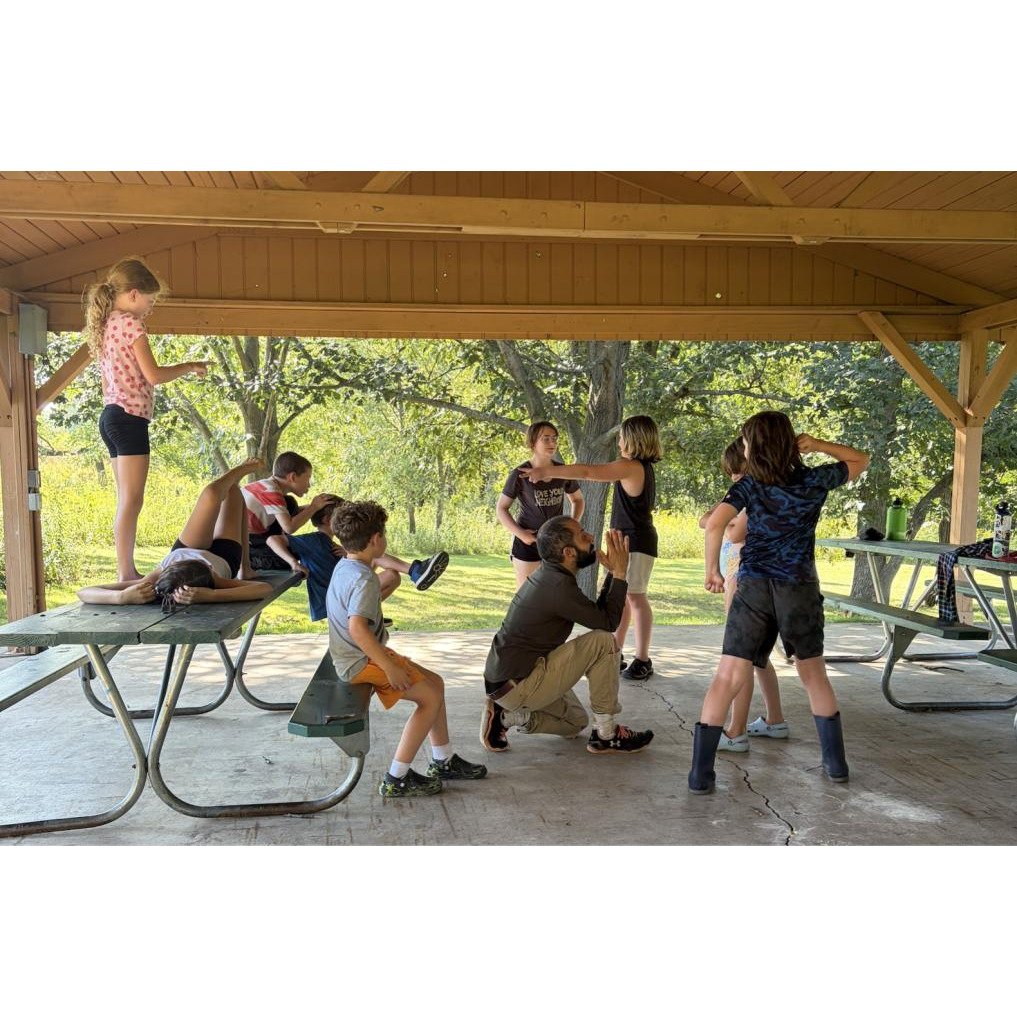
The two approaches differ less in content than in where learning happens and how long it lasts. Classroom-based programs lean on lesson plans, readings, and discussion. Nature-based programs add direct contact with soil, weather, and living systems, which changes what children remember.
| Feature | Classroom-Based | Nature-Based |
|---|---|---|
| Primary setting | Indoor lessons, occasional field trip | Outdoor learning as a routine |
| Science curriculum fit | Strong on vocabulary and models | Strong on observation and data |
| Student engagement | Varies with materials | Often higher with hands-on tasks |
| Weather and logistics | Predictable | Requires gear and planning |
| Family visibility | Report cards and projects | Visible work, shared harvests |
Outdoor project-based learning research and practice
The trade-off is real: outdoor programs demand more adult preparation and flexible scheduling. For a deeper look at outdoor project-based learning and why place matters, the research is worth reading. The payoff shows up in academic engagement, because a child who has tracked a seed to harvest has something concrete to write and calculate about. See the evidence on outdoor learning and test scores if you want the academic outcomes side. Research on outdoor learning and academic outcomes
The Best Sustainability Curriculum for Elementary Schools: What to Look For
The best sustainability curriculum for elementary schools is one you can audit: clear learning outcomes, age-appropriate content, and evidence that students actually did the work. Ask for samples before you commit. This section is built as a decision tool: criteria you can score side by side.
Score each option on a simple scale, then compare. The criteria that matter most:
| Criterion | What to ask for | Why it decides the choice |
|---|---|---|
| Grade range and sequence | A scope-and-sequence document showing what changes from grade to grade | Prevents repeated lessons and gaps |
| Subject coverage | Named science, math, and English language arts outcomes per unit | Shows whether it integrates or just adds on |
| Lesson format | Sample lessons with materials lists and time estimates | Reveals real prep burden |
| Implementation effort | Required staff hours, training, and space | Predicts whether it survives year one |
| Assessment evidence | Rubrics, student work samples, or pre/post measures | Separates a curriculum from an activity packet |
| Local fit | Ties to Illinois learning standards and Aurora-area community partners | Makes it actionable for your school |
| Age-appropriate climate instruction | Language that informs without frightening younger students | Protects developmental suitability |
| Accessibility and inclusion | Materials usable across reading levels and abilities | Keeps the whole class in the work |
On local fit: A curriculum worth adopting should be able to show you, unit by unit, which standards it addresses. If a publisher cannot produce that mapping, you are buying activities, not a curriculum. In the Aurora area, it also helps to ask whether the program connects to partners students can actually reach, such as community gardens, park district programs, or local conservation groups, because a partnership that requires a long bus ride rarely becomes routine.
On age-appropriate climate instruction: younger elementary students can handle climate topics when the framing is local, concrete, and action-oriented. Lessons that begin with what students can do in their own school, such as reducing waste or caring for a garden, tend to land better than global-scale framing that leaves children feeling helpless. Ask publishers how they handle student anxiety and whether lessons include a constructive action component.
On assessment: request examples of student work and any pre/post measures the publisher uses. A curriculum that cannot show you what student learning looks like is asking you to trust a brochure.
Watch out: many free resources look complete but stop at activities. A curriculum needs assessment and sequence to count as a curriculum.
Free Sustainability Curriculum for Elementary Schools: Where to Start
Free sustainability curriculum for elementary schools exists in real quantity, and some of it is genuinely good. Start with open education resources, then test one unit before expanding.
A few starting points families and teachers ask us about:
- Open climate and environmental justice units. Ten Strands publishes open K-12 units that connect climate topics to student action. Check grade-level fit before using.
- Framework programs. Eco-Schools U.S. offers a curriculum-linked structure for assessing and tracking school environmental progress.
- Project book series. The Cloud Institute publishes project books with teacher guides for project-based sustainability teaching.
- Seasonal home kits. A structured seasonal pathway gives you ready-to-use lessons without building from scratch.
Spring seasonal learning pathway
Free is a fine place to begin. It is a poor place to stop if you want sequence and assessment.
Integrating Sustainability into the Elementary Curriculum
Integrating sustainability into the elementary curriculum works best when it rides inside existing subjects rather than competing with them. Cross-curricular learning is the mechanism: one project feeds science, math, English language arts, and design and technology at once. The mistake most schools make is treating sustainability as an extra block on Friday afternoon.
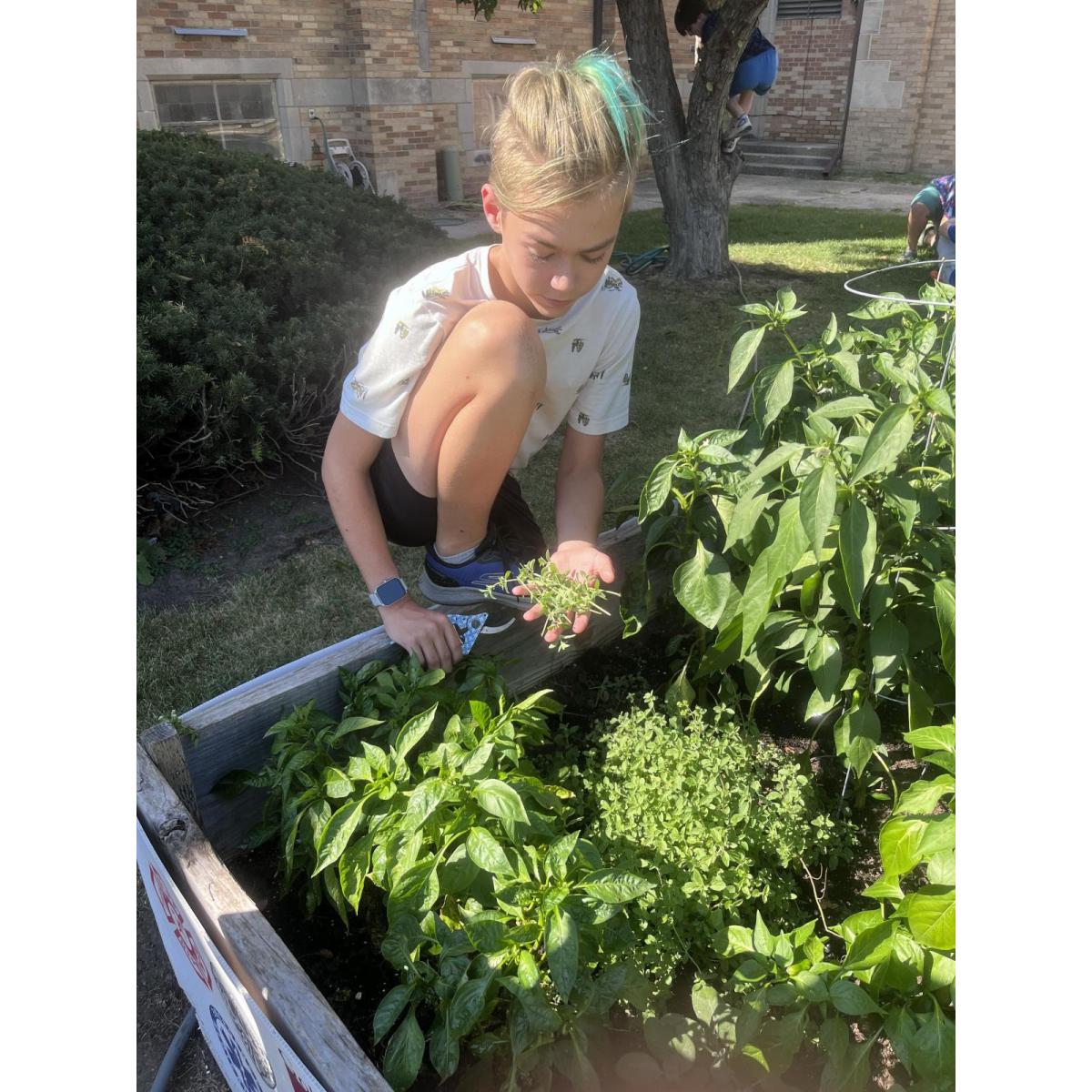
A garden bed becomes a teaching engine. Students measure plot area in mathematics, record germination data in science, write observation journals in language arts, and design a simple irrigation fix in design and technology. Systems thinking follows naturally when they trace where the compost goes.
What that looks like across a grade band, in practice:
- Kindergarten through second grade. Observation and care. Students plant, water, and describe what changed. Language arts carries the load through picture journals and oral storytelling; math shows up as counting, sorting, and simple measurement with non-standard units.
- Third through fifth grade. Measurement and explanation. Students run weekly data logs, graph growth, compare variables, and write short explanatory pieces. This is where most Illinois learning standards in science and math can be met through the same project rather than through separate units.
The point is not to add standards. It is to show that the project already meets standards the school is accountable for, which is what convinces a principal to protect the time.
Scheduling is the quiet obstacle. A single 45-minute period per week will not carry a garden project through a season. Schools that sustain integration usually protect one longer block per week plus short daily check-ins, and they build the outdoor time into the regular schedule rather than treating it as a reward.
Teacher professional development is the part schools skip, and it is the part that decides whether integration survives past year one. Teachers need planning time together, not a single training session.
Watch out: integration fails quietly when no one owns the sequence. If every teacher builds their own garden lesson, students repeat the same seed-planting activity in three grades and never reach measurement or explanation.
Homeschool enrichment in Kane County
Sustainability Activities for Elementary Students That Build Real Skills
Sustainability activities for elementary students build real skills when they involve measurement, repetition, and a visible result. The activity matters less than whether children can see their own effect on a system.
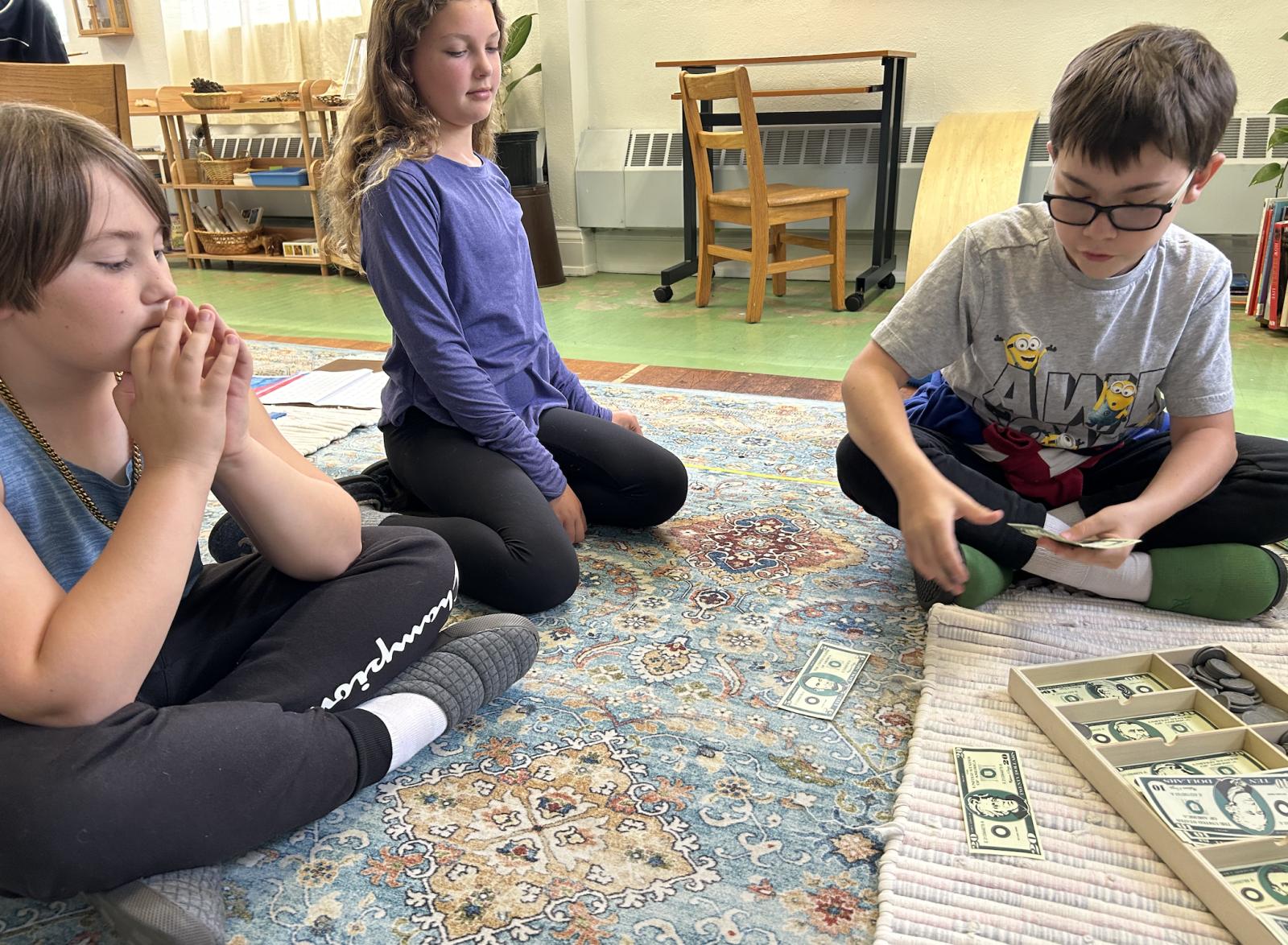
Activities we return to because they teach something durable:
- Seed-to-harvest tracking. Students chart growth weekly and compare variables.
- Waste audits. Kids weigh classroom waste, then design a reduction plan.
- Compost monitoring. Temperature and turning schedules teach data and responsibility.
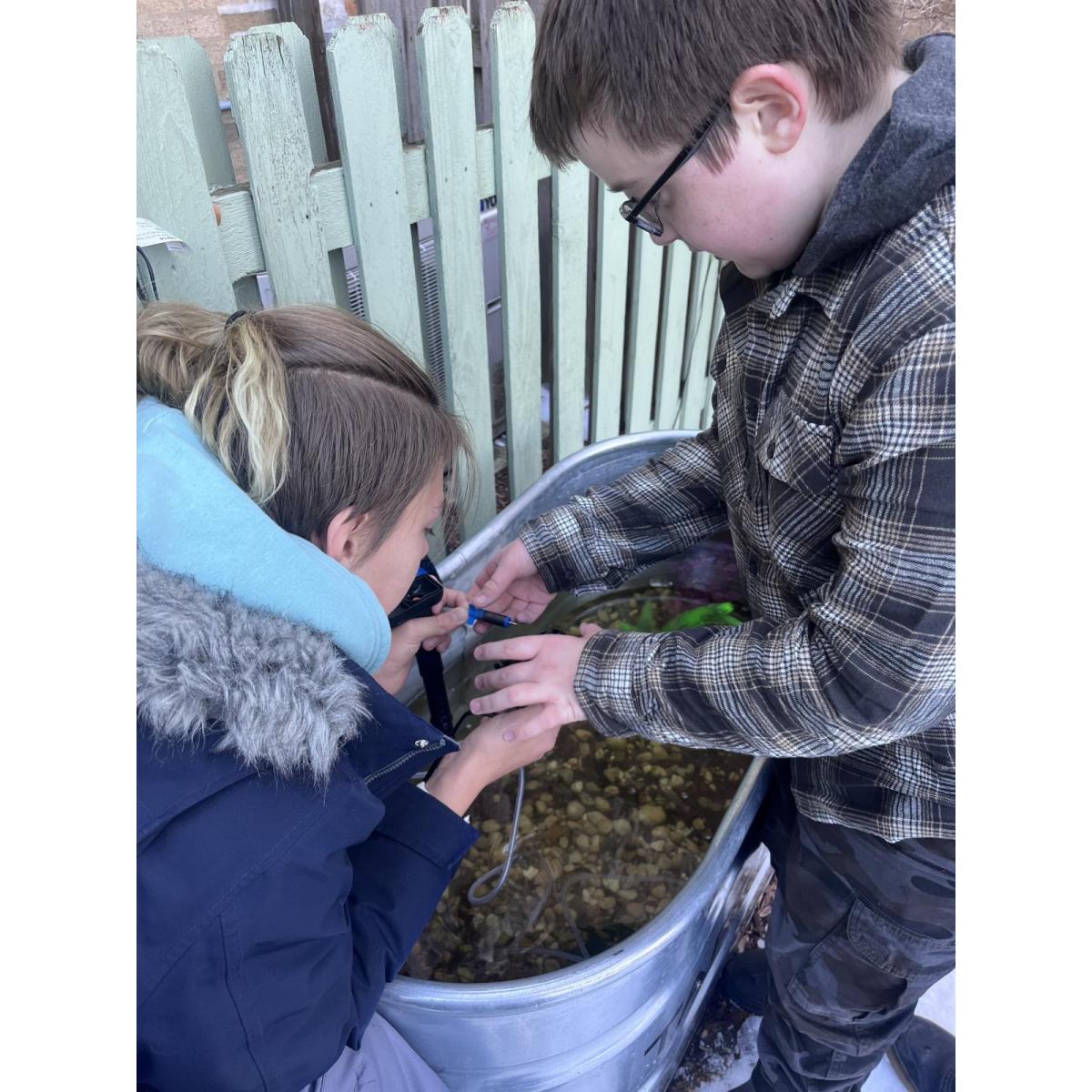
- Water catchment. Simple rain barrels prompt measurement and design questions.
Each one pairs a hands-on task with a written reflection. That pairing is where environmental themes turn into student understanding.
Matching Your Child to the Right Sustainability Curriculum
Matching your child to the right program comes down to three questions: how much time outdoors fits your family, how much structure your child needs, and what evidence of learning you want to see. Answer those honestly before you compare options.
For families in Aurora and the wider Fox Valley area, proximity matters too. A program worth a long commute is one your child genuinely loves, and that is worth testing with a visit rather than assuming. Ask about class size, teacher credentials, and how the school handles conflict and harm repair.
At HEADWATERS, our teachers are experienced educators with master's degrees, and our kids are enthusiastic about them. We are new at running a school, and we say so. We have broad experience in our fields and care deeply about building community and harm repair.
If you are weighing a nature-based microschool against a classroom program, start by seeing one in person and talking to the families already enrolled.
Choosing a sustainability curriculum is really a question about what you want your child to notice about the world and how you want them to treat it. We built HEADWATERS as a nonprofit community farm and a Montessori-inspired academy together, so students get land-based learning, project-based academics, and explicit teaching of social-emotional regulation and communication in the same day. Our small, intentionally human microschool environment is built for close relationships between teachers and students. Get started with HEADWATERS and see what a place-based education looks like on the farm.
Frequently Asked Questions
What should a sustainability curriculum for elementary schools include?
A strong sustainability curriculum covers four areas: environmental literacy (how ecosystems and resource cycles work), hands-on projects (gardening, waste audits, energy tracking), social-emotional skills (collaboration, stewardship, community), and connections to core academics like science, math, and English language arts. Look for age-appropriate pacing, clear learning outcomes, and plenty of outdoor or experiential time. The best programs weave sustainability into existing subjects rather than treating it as an add-on.
Are there free sustainability curriculum for elementary schools resources?
Yes. Open education resources such as Ten Strands climate and environmental justice units are free, and many state and nonprofit programs offer downloadable lesson plans. Free materials can be a good starting point, but they usually need a teacher to adapt them for your child's grade level and local context. Pair free resources with a clear sequence and hands-on activities so learning doesn't stay on paper.
How can schools integrate sustainability into existing elementary subjects?
Integration works best when sustainability becomes the lens, not a separate class. In science, study local ecosystems and energy use. In math, graph waste or water data. In English language arts, write persuasive letters about a school issue. In design and technology, build a compost bin or rain gauge. This cross-curricular approach keeps academic rigor high while making environmental themes relevant and real.
How can nature-based learning support a sustainability curriculum?
Nature-based learning puts students in direct contact with the systems they're studying, which makes abstract ideas concrete. Children who garden, observe seasons, and care for animals see resource cycles firsthand. That daily contact gives students direct experience of these systems. For families in Kane County, a farm campus or microschool setting can provide that immersion while still covering core academics.
How can teachers assess sustainability learning in elementary school?
Assessment should focus on observable skills and habits, not just recall. Teachers can use project rubrics, student reflection journals, before-and-after waste or energy audits, and portfolios of stewardship work. Look for evidence that students can explain systems, make choices with environmental impact in mind, and collaborate on solutions. These measures show whether sustainability learning is changing how children think and act.