 Comparison
Montessori or Waldorf for Homeschoolers: Which Fits?
Last Updated: October 29, 2026
Quick Summary
Montessori vs Waldorf comes down to how your child learns best: Montessori centers on self-directed work with prepared, self-correcting materials, while Waldorf centers on daily and seasonal rhythm, imagination, and delayed formal academics. Both can work at home, but they ask different things of the parent.
- Montessori lets the child choose work from prepared materials that correct their own errors.
- Waldorf delays formal reading until around age 7 and builds structure through daily rhythm.
- Montessori asks parents to set up an environment and track progress carefully.
- Waldorf asks parents to hold a steady rhythm and bring lessons to life through stories and art.
- Many families blend the two methods, which is a reasonable path.
Table of Contents
- Montessori vs Waldorf at a Glance
- How Each Philosophy Approaches Academic Structure
- Curriculum Differences and What You Will Actually Use at Home
- Nature-Based Homeschooling Curriculum: Where Each Method Lands Outdoors
- Project-Based Learning for Homeschoolers in Each Model
- Pros and Cons of Each Method for a Homeschool Setting
- Choosing Your Starting Point and Next Step with Headwaters
- Frequently Asked Questions
Montessori vs Waldorf at a Glance
When parents in Kane County and across the United States weigh their options, montessori vs waldorf is usually the comparison they make first. At HEADWATERS, we know how much a parent's gut feeling about a child's day shapes this decision. The short version: Montessori centers on self-directed work with prepared materials, while Waldorf centers on rhythm, imagination, and delayed formal academics. Both can work at home. They ask different things of the parent.

| Factor | Montessori | Waldorf |
|---|---|---|
| Core idea | Child chooses work from prepared materials | Learning follows a daily and seasonal rhythm |
| Early academics | Reading and math introduced early with concrete materials | Formal reading typically delayed until around age 7 |
| Materials | Specific, self-correcting learning materials | Handwork, storytelling, natural materials |
| Parent role | Observer and guide, with planning support available | Storyteller and rhythm-keeper, relies on daily structure |
| Best fit for | Children who enjoy independent, structured tasks | Children who thrive on imagination and routine |
How Each Philosophy Approaches Academic Structure
Montessori treats academic structure as something the child meets through materials. A child works with a lesson that corrects its own errors, so the parent rarely needs to grade. Waldorf builds structure through the day itself: main lesson blocks, songs, and a predictable sequence of activities. Academics arrive later and are woven into stories and art.
For a homeschooler, this difference shows up quickly. Montessori asks you to set up an environment and track progress. Waldorf asks you to hold a steady rhythm and bring the lessons to life. Neither removes the need for planning.
Curriculum Differences and What You Will Actually Use at Home
Most homeschooling families buy a curriculum, then adapt it. Montessori-aligned resources often include physical materials and scripted lessons, such as multi-sensory math and language kits from ShillerLearning, which start at $199 per kit. Waldorf-inspired resources lean toward lesson blocks and teacher guidance, such as Live Education!, with blocks starting at $150 each, and Oak Meadow, a distance-learning provider with grade-level guides starting at $250. Prices vary by grade, quantity, and bundle, so check each publisher's site for current figures.
Waldorf families often rely more on handmade materials and parent judgment, so the curriculum is only part of the planning work.
Nature-Based Homeschooling Curriculum: Where Each Method Lands Outdoors
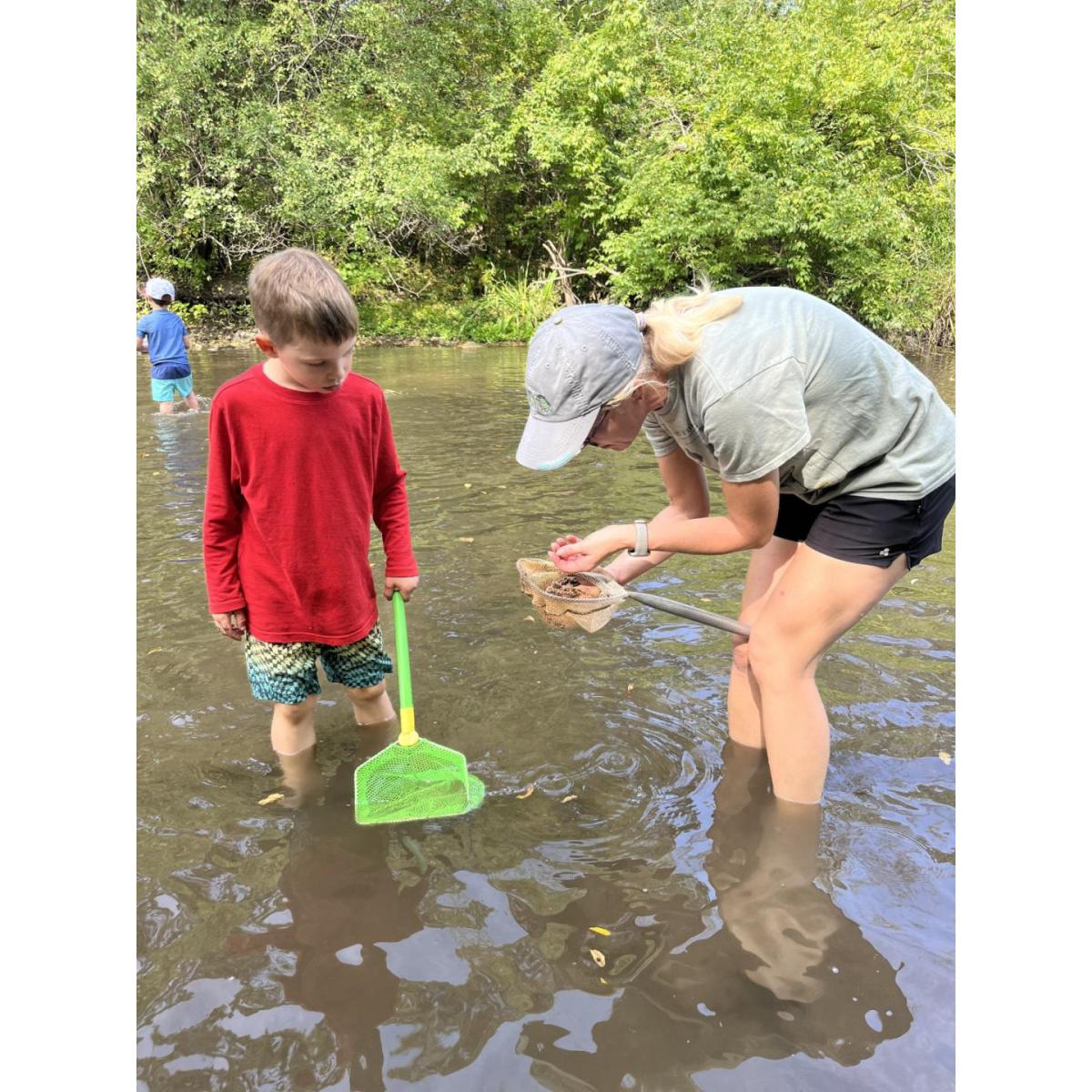
Waldorf is more naturally outdoors-oriented. Its early years lean toward nature stories, seasonal festivals, and open play. Montessori's outdoor side tends to appear through practical life work, gardening, and care for living things, rather than through a set seasonal calendar.
Headwaters is built around land-based learning, where gardening, food systems, and ecological awareness sit alongside academics. For families looking for nature-based early learning, see the Food & Feelings kit that teaches emotional intelligence through food, stories, and play. A nature-based homeschool setting can borrow from either philosophy. Parents who want outdoor time to carry real academic content will need to plan that deliberately, whichever method they pick.
Project-Based Learning for Homeschoolers in Each Model
Project-based learning fits both methods, but in different forms. To see what project-based learning outdoors involves and why place matters, read the explanation of outdoor project-based learning and the research behind it. Montessori projects tend to be self-chosen, long-running work with clear materials and a finished product. Waldorf projects tend to be seasonal and group-oriented, such as a class play, a garden cycle, or a handcraft unit.
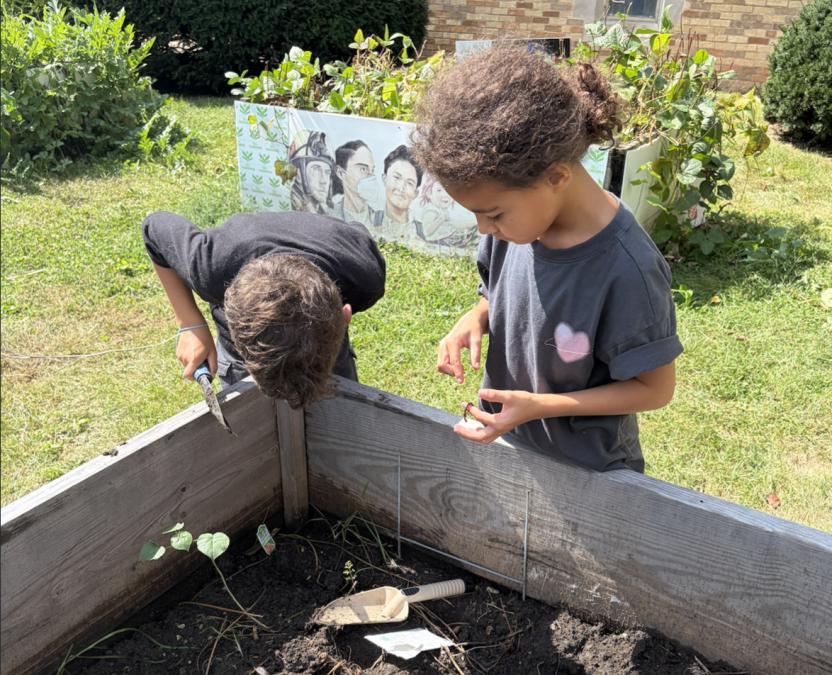
A homeschooler can use either model to build projects. The Montessori approach gives more independence. The Waldorf approach gives more shared rhythm.
Pros and Cons of Each Method for a Homeschool Setting
Montessori pros: Clear materials, self-correction, and strong support for independent work. Many families find it easier to see measurable progress.
Montessori cons: Requires setting up a prepared environment and tracking progress carefully. Some children struggle with the amount of choice.
Waldorf pros: A gentle, imaginative pace and a predictable daily rhythm. Strong on storytelling, arts, and nature.
Waldorf cons: Formal academics arrive later, which some parents find hard to accept. Less built-in self-correction, so parents do more of the checking.
Choosing Your Starting Point and Next Step with Headwaters
If your child learns best through structure and hands-on work, start with Montessori. If your child needs imagination and routine before formal reading, look closely at Waldorf. Many families blend the two, and that is a reasonable path too.
If you want to see how a small, structured Montessori-informed model runs day to day, our explore the Headwaters model page describes how we approach it. For families who want a nature-based next step at home, our nature-based homeschool enrichment program in Kane County offers hands-on learning. Parents comparing options can also explore our Montessori-informed K-12 school.
Pricing for our programs depends on schedule, enrollment, and format. Visit our website for current details or to request a quote.
Frequently Asked Questions
What are the core differences between Montessori and Waldorf for homeschoolers?
Montessori centers on prepared materials, self-correcting activities and child-led work cycles, with academics introduced through concrete manipulatives. Waldorf centers on rhythm, storytelling, imagination and artistic work, and it typically delays formal reading and written academics until the child is older. For homeschoolers, the practical difference is how much structure sits in the materials versus the daily rhythm. Montessori puts structure in the environment, while Waldorf puts it in the daily and seasonal flow.
Can you combine Montessori and Waldorf methods at home?
Many homeschool families blend the two, using Montessori-style hands-on math and language materials alongside Waldorf-style storytelling, seasonal festivals and handwork. The main tension is pacing: Montessori tends to move children through skills on a sequence, while Waldorf protects time for imaginative play in the early years. Choose one lead philosophy for core academics so your child is not switching methods mid-skill. Keep the blend consistent across a school year to avoid confusion.
Which homeschooling philosophy focuses more on nature and outdoor play?
Waldorf tends to build outdoor time and seasonal observation into its rhythm, especially in the early grades. Montessori also values time in nature, but its outdoor learning often connects to practical life, gardening and science observation. Nature-based homeschooling curricula, including land-based programs, usually add daily outdoor exploration and food-systems learning regardless of which method you start from. Ask any program how many hours per week children spend outside before committing.
How do Montessori and Waldorf approaches handle academic structure?
Montessori presents academic structure early and clearly, with sequenced materials that let children check their own work. Waldorf delays formal academics, often introducing reading and written work later, and uses stories, movement and art to build skills first. Families who want measurable milestones early may find Montessori easier to track. Families who want a slower start to formal learning may prefer Waldorf's pacing.