 Listicle
Illinois Montessori Schools: A Parent's Guide to Finding the Right Fit
Last Updated: November 8, 2026
Quick Summary
Illinois Montessori schools are best found by starting with a statewide locator such as the Association of Illinois Montessori Schools, then verifying each program directly, since no single directory lists every school and Montessori is not a protected term. Confirm teacher credentials, class size, and uninterrupted work periods before you tour.
- Montessori is not a protected term in the United States, so any program can use the name.
- Ask how many lead teachers hold a Montessori credential and from which training program.
- Look for uninterrupted work periods of roughly three hours, not 45-minute blocks.
- Most rankings come from parent reviews or paid placements, not classroom observation.
- Plan a school visit of at least an hour, ideally in the morning during the work cycle.
Table of Contents
- What Parents Should Know About Illinois Montessori Schools
- Montessori Preschool and Childcare in Aurora, IL
- Using an Illinois Montessori School Locator
- How to Read an Illinois Montessori Schools Ranking
- Montessori vs. Waldorf for Elementary Students
- Evaluating Montessori Authenticity and Teacher Credentials
- What to Ask on a School Visit Before You Enroll
- Finding a Montessori-Inspired Community in Kane County
- Frequently Asked Questions
What Parents Should Know About Illinois Montessori Schools
Montessori schools generally follow the Montessori method: mixed-age classrooms, hands-on learning materials, and children moving through lessons at their own pace. In our corner of Kane County, families often start with a simple question: where do we even look?
That question gets harder before it gets easier. No single directory lists every Montessori program, and the word "Montessori" is not a protected term, so any school can print it on a brochure. This guide from Headwaters Academy walks through what actually separates a strong program from a well-designed website. We run a Montessori-informed, land-based school, and we have sat on both sides of this search: as parents, and as the people answering the phone.
Below, we will show you how to read a school listing, a ranking, and a classroom visit so you can narrow the field with confidence.
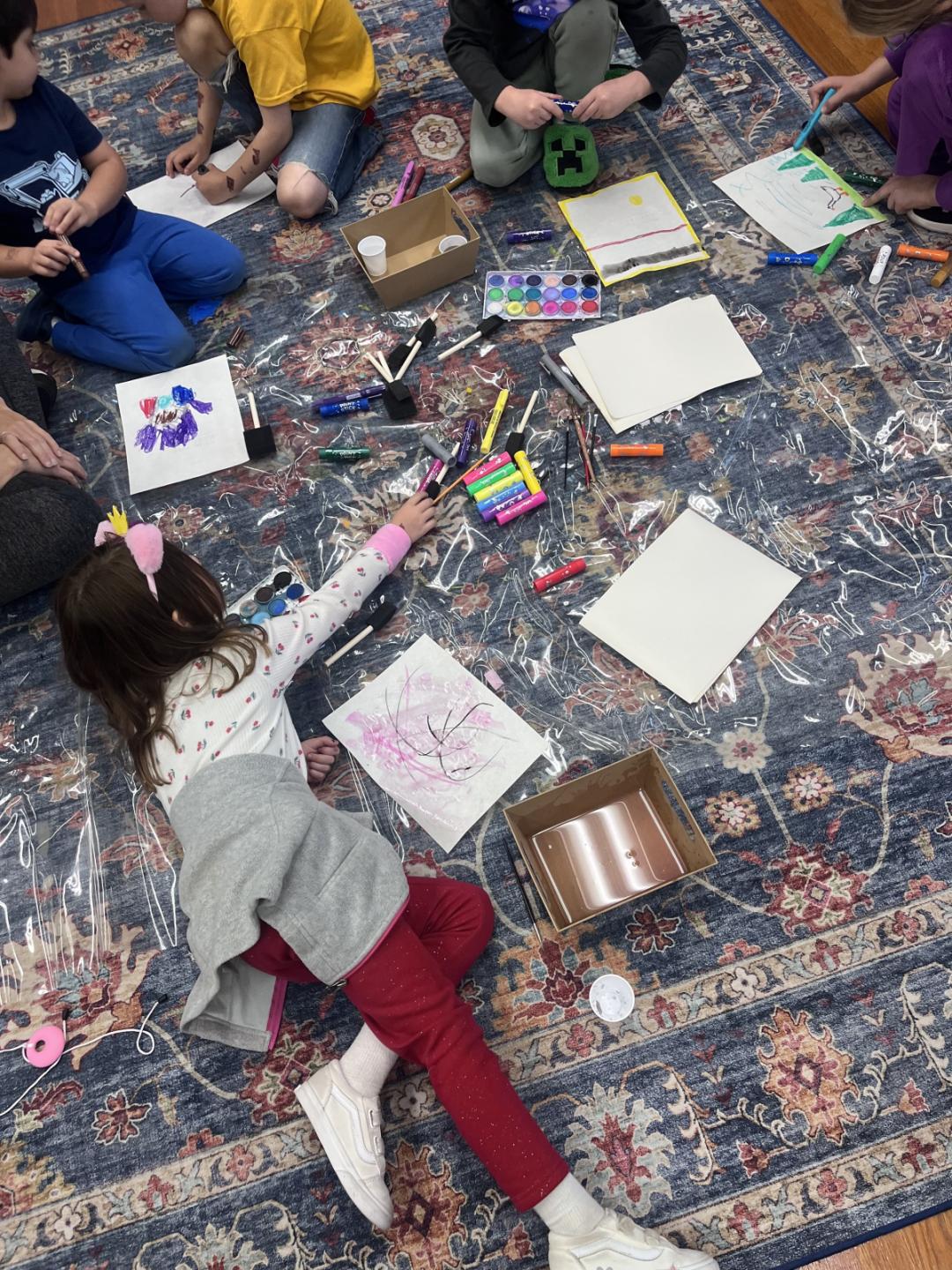
Montessori Preschool and Childcare in Aurora, IL
Aurora families searching for Montessori preschool and childcare are usually balancing three things at once: the age range a program serves, whether the day includes a real uninterrupted work period, and how far the drive is from home or work. Travel time can vary a lot across a city of Aurora's size, so location belongs in the first conversation, not the last.
Montessori programs often serve children from about age 3 through kindergarten, and some offer toddler rooms. Infant care is less common in Montessori settings, so if you need care before age 1, ask early whether a program has an infant room or partners with a nearby provider. Programs also differ on whether they are stand-alone Montessori schools, Montessori-inspired childcare centers, or home-based programs using Montessori materials.
Here is what we would verify before touring, in the order that usually saves the most time:
- Age groups served. Confirm the exact range, including toddler and kindergarten options, and ask what happens when a child finishes the primary classroom.
- Class size and student-teacher ratio. Ask for the number in your child's specific room, not the school-wide average.
- Uninterrupted work period. Ask how long it runs, when it happens, and whether it is protected from specials, recess, and pickup.
- Extended care and calendar. Ask when the day starts and ends, whether before- and after-care are available, and what summer looks like.
- Teacher qualifications. Ask how many lead teachers hold a Montessori credential and from which training program.
- Neighborhood and commute. Time the drive at drop-off and pickup, not at noon on a Saturday.
The practical trap is treating "Montessori" and "daycare with Montessori materials" as the same thing. They are not, and a 20-minute phone call usually settles which one a program actually is. A second trap is assuming a program that serves toddlers also serves elementary-age children; many Aurora-area programs stop at kindergarten, which matters if you hope to stay in one community through the elementary years.
Because no single directory lists every program, the most reliable approach is to build your own shortlist from a locator, then verify each name directly. If you are weighing a Montessori preschool against other early-childhood options, our guide on how to choose a private school in Aurora walks through the questions in the order that matters.
Using an Illinois Montessori School Locator
An Illinois Montessori school locator is a search tool, directory, or association listing that helps you find programs by city, age range, or affiliation. The most useful starting point is the Association of Illinois Montessori Schools, a statewide association that connects families with member schools across Illinois.
Use a locator as a first pass, not a verdict. Directories list schools that opted in, so a strong program may be missing, and a weak one may appear. Cross-check each name against the school's own site, then confirm the details by phone.
For a step-by-step walkthrough of narrowing a shortlist, our guide on how to choose a private school in Aurora covers academics, culture, values, and community in the order that matters.
How to Read an Illinois Montessori Schools Ranking
Illinois Montessori schools ranking lists deserve skepticism, and here is why: most are compiled from parent reviews, editorial picks, or paid placements rather than classroom observation. A ranking can point you toward names worth researching. It cannot tell you whether your child will thrive there.
When you read one, ask three questions. Who made the list, and how did they choose? Does it cover your child's age range and grade levels? Does it say anything about tuition, class size, or teacher certification, or only about reputation?
A school's placement on a regional list tells you little about any single program. Look for the school's own numbers, its teacher credentials, and a morning spent in the classroom rather than a badge on a homepage.
Montessori vs. Waldorf for Elementary Students
Montessori and Waldorf differ most in structure. Montessori elementary classrooms use sequenced hands-on materials, mixed-age groups, and self-directed work plans. Waldorf elementary education emphasizes rhythm, storytelling, and delayed academics, often with one teacher staying with a class across several years.
Neither is better in the abstract. They fit different children and different families.
| Feature | Montessori | Waldorf |
|---|---|---|
| Classroom grouping | Mixed-age, typically 3-year spans | Grade-level loop with one teacher |
| Learning materials | Sequenced, self-correcting materials | Artistic work, narrative, and handwork |
| Pacing | Child-led within a work plan | Teacher-led rhythm across the day |
| Technology | Varies widely by school | Often limited in early grades |
| Best for | Independent, hands-on learners | Children who thrive on rhythm and story |
If you want a wider view of secular options across the region, our guide to secular private schools in Fox Valley compares approaches, curriculum, and admissions side by side.
Evaluating Montessori Authenticity and Teacher Credentials
Authenticity comes down to two things: trained teachers and a full set of materials used as designed. The hard part is that "Montessori" is not a protected term in the United States, so any program can use it on a sign or a website. That is why the burden falls on parents to ask specific questions rather than rely on the label.
Start with teacher training. Ask whether lead teachers hold a Montessori credential from a recognized training program, and ask which one. Montessori teacher education is offered through several established training routes, including programs affiliated with national Montessori organizations.
Next, ask about affiliation. Some schools are full members of a national Montessori organization, some are affiliated with a statewide association such as the Association of Illinois Montessori Schools, and some are independent and Montessori-informed.
Then look at the classroom itself. Watch for these signals:
- Mixed-age classrooms rather than single-grade rooms, typically spanning about three years.
- Complete material sets in practical life, sensorial, language, and math, not a few wooden toys on a shelf.
- Uninterrupted work periods of roughly three hours, not 45-minute blocks.
- Teachers who observe and present lessons individually rather than lecturing to the whole group.
- Children choosing work within a plan, with visible follow-through and accountability.
A common mistake is judging a school by its furniture. Wooden shelves and woven baskets are easy to buy. Trained teachers are not, and the difference shows up in how calmly a room runs and how specifically a teacher can describe your child's progress.
Watch out: asking only whether teachers are "Montessori certified" without asking where the credential came from.
Our own model is Montessori-informed, and we are open about that. You can see how the Headwaters model works in practice: small classes, structured academics, and frequent outdoor learning on our farm campus.
What to Ask on a School Visit Before You Enroll
A school visit answers questions a website cannot. Plan for at least an hour, ideally in the morning when the work cycle is running.
- How many lead teachers hold a Montessori credential, and from which training program?
- What is the class size and student-teacher ratio for my child's age range?
- How much of the day is uninterrupted work time?
- How do you handle conflict between children, and what does harm repair look like here?
- What does a typical week include for math, reading, and science?
- How do you communicate with parents, and how often?
- What is the tuition, what does it cover, and is financial assistance available?
- What happens to the program when enrollment grows or a new grade launches?
- May I speak with two current families?
Watch out: touring only the admissions office. Ask to stand in a classroom for 15 minutes and watch how children move, how teachers intervene, and how quickly the room settles. That half hour tells you more than any brochure.
When you are ready to talk specifics, you can start the admissions conversation and ask your remaining questions directly.
Finding a Montessori-Inspired Community in Kane County
The school is only part of the decision. Kane County families who choose a Montessori-inspired path are also choosing a community: the parents at pickup, the families who show up for work days, the people your child will know for a decade.
We built Headwaters around that idea. Our academy sits alongside a nonprofit community farm, so students learn ecology and food systems as part of their school experience. Our teachers bring deep classroom experience, and our families are our best recruiters. We are a young school, and we say so plainly.
If you are looking for a nature-based learning adventure close to home, explore Headwaters Academy and see whether our farm campus in Kane County fits your family. We would rather have a long conversation than a quick enrollment.
The hardest part of this search is not finding names. It is telling a genuinely strong program from a convincing one. Start with a locator, read the rankings lightly, then spend your time on classroom visits and direct questions about teacher training, class size, and how a school handles conflict.
Frequently Asked Questions
How much does Montessori school cost in Illinois?
Tuition at Illinois Montessori schools varies widely depending on the program, age group, schedule, and whether the school is nonprofit or for-profit. Preschool and childcare programs often charge by the week or month, while elementary programs may bill annually. Some schools offer sliding-scale tuition or financial assistance. Because pricing is set school by school, ask each program directly for a current tuition schedule and any available aid before you compare options.
How do I compare Montessori schools in Illinois?
Start with an Illinois Montessori school locator to build a list, then narrow it by location, age range, and program schedule. Visit each school and ask about teacher credentials, class size, and how the day is structured. Look for mixed-age classrooms, hands-on materials, and a prepared environment. Compare admissions timelines and whether the school offers extended care. A side-by-side comparison of program details will tell you more than a ranking alone.
What is the biggest criticism of Montessori?
A common criticism is that some schools use the Montessori name without following the approach closely, so the quality varies. Others worry about the transition to traditional settings or whether academics are rigorous enough. Parents also ask about cost and availability. Visiting a classroom and asking direct questions about teacher training, materials, and how progress is tracked helps you judge whether a specific program delivers on the philosophy.
What should parents look for when visiting a Montessori school?
Watch how children move through the room and whether they choose their own work. Look for mixed-age groupings, accessible shelves, and real materials rather than worksheets. Ask about teacher credentials and how the school handles conflict and community. Notice whether the environment feels calm and orderly. Finally, ask what happens on a typical day and how the school communicates with families, since those details reveal how the program actually runs.