 Ultimate guide
7 Ways Microschools Foster Deep Connection to Nature and Community
Last Updated: November 18, 2026
Quick Summary
Microschools nature community connection grows through small, intentionally assembled learning groups where teachers know children well and the day has room for the outdoors. Fewer children, more time outside, and adults who stay long enough to notice what each kid needs make these bonds deeper than in a conventional building.
- A daily sit spot has each child observe the same patch of ground across the seasons.
- Sustainability curriculum sticks when rooted in the local watershed, soil, and food children can dig and grow.
- Outdoor lesson plans should open with a question, let children observe and record before explaining, then close with one small action.
- Harm repair means naming what happened, naming the impact, and agreeing on what comes next before any apology.
- Community rituals include a morning circle greeting everyone by name, a shared seasonal meal, and a family potluck.
Table of Contents
- Why Microschools Are Built for Deep Connection to Nature and Community
- Nature-Based Learning Activities for Microschools That Build Real Bonds
- Designing a Sustainability Curriculum for Elementary Schools That Sticks
- Community-Based Learning Projects for Students That Reach Beyond the Classroom
- Outdoor Learning Lesson Plans That Turn Curiosity into Stewardship
- Harm Repair and Social-Emotional Growth in a Microschool Setting
- Building a Microschool Community That Lasts: From First Circle to Family Potluck
- Bringing Nature and Community Connection Home with Headwaters
- Frequently Asked Questions
Why Microschools Are Built for Deep Connection to Nature and Community
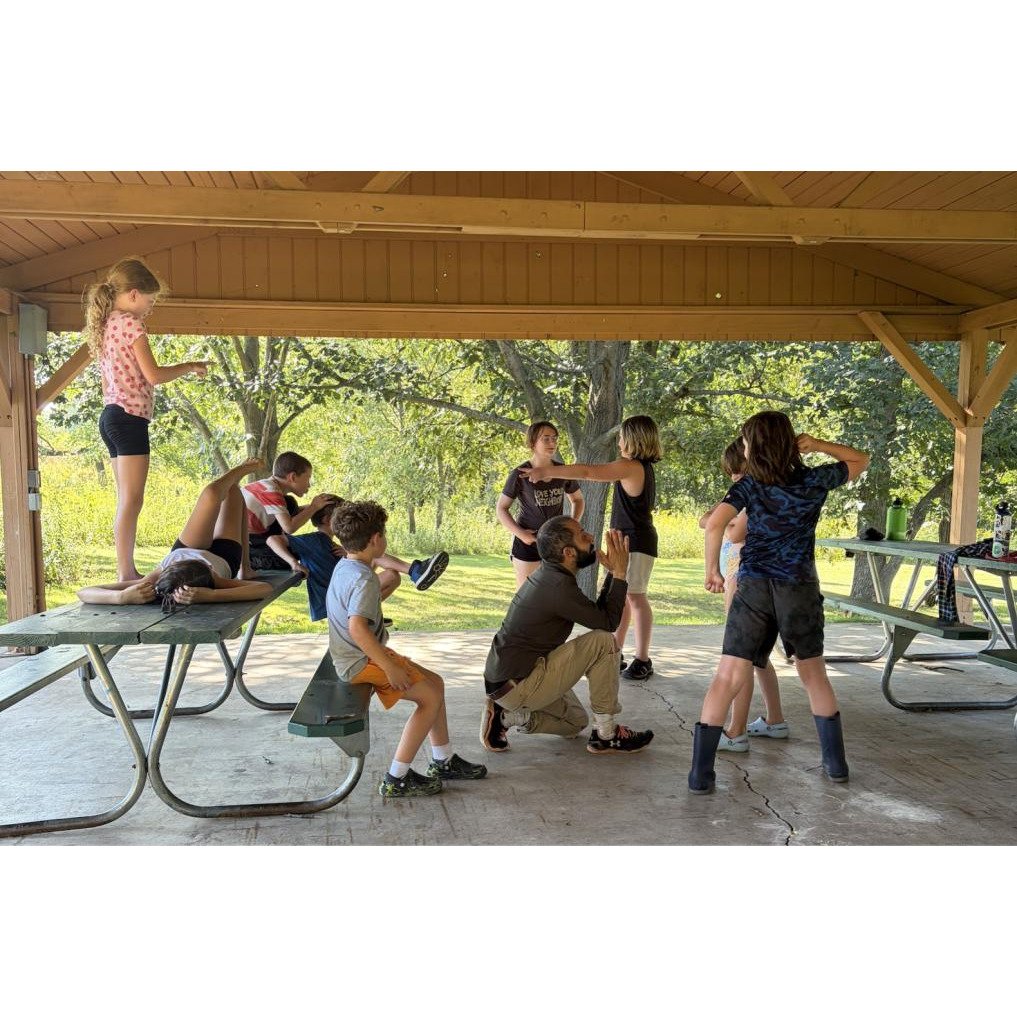
A microschool is a small, intentionally assembled learning community, where teachers know children well and the day has room for the outdoors. That structure is why microschools nature community bonds run deeper than what most families find in a conventional building: fewer children, more time outside, and adults who stay long enough to notice what each kid needs. At Headwaters, our Montessori-inspired, land-based academy in Kane County, Illinois, exists because we believe connection is not an add-on to academics. You can see how our small, structured model supports academic rigor, responsibility, and whole-child development on The Headwaters Model. Here is what we have learned about how that connection actually forms.
Nature-Based Learning Activities for Microschools That Build Real Bonds
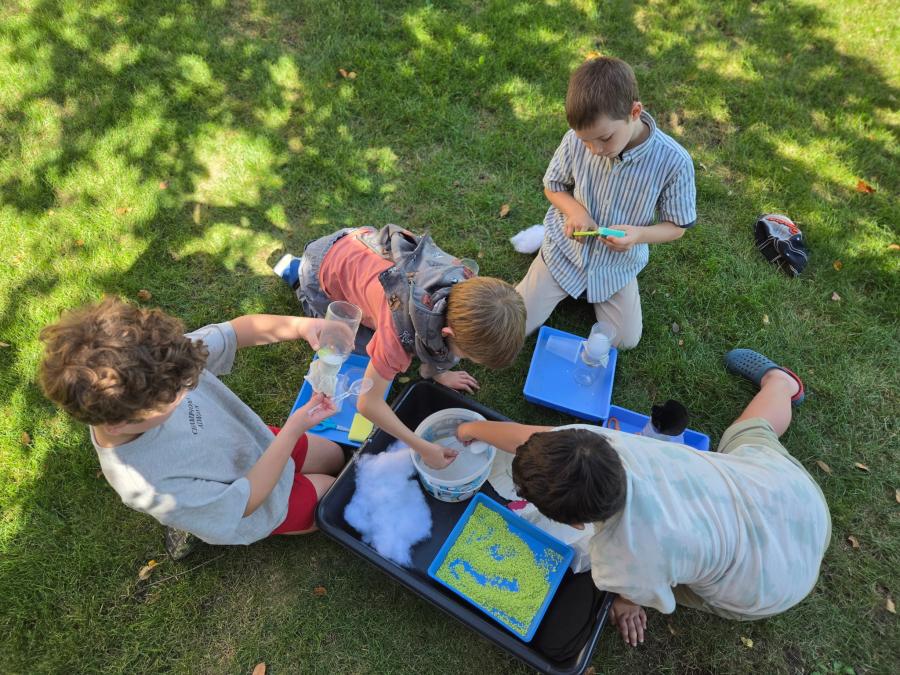
A garden bed teaches patience better than a worksheet. Nature-based learning activities for microschools work because they put children shoulder to shoulder with a shared task, and shared tasks build relationships.
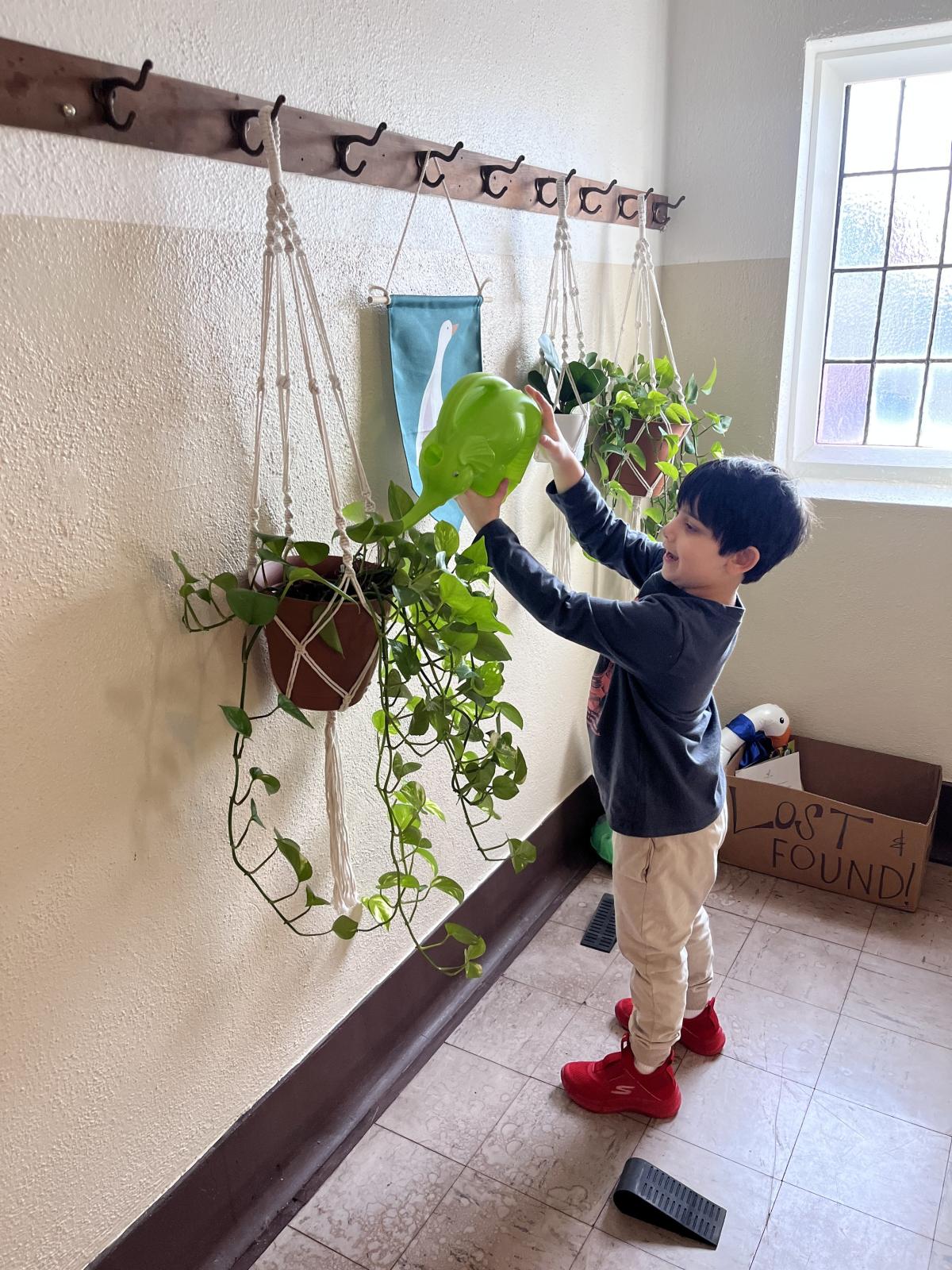
The activities we return to most often are simple and repeatable:
- A daily sit spot, where each child observes the same patch of ground across the seasons
- Seed starting and transplanting, with each student responsible for specific plants
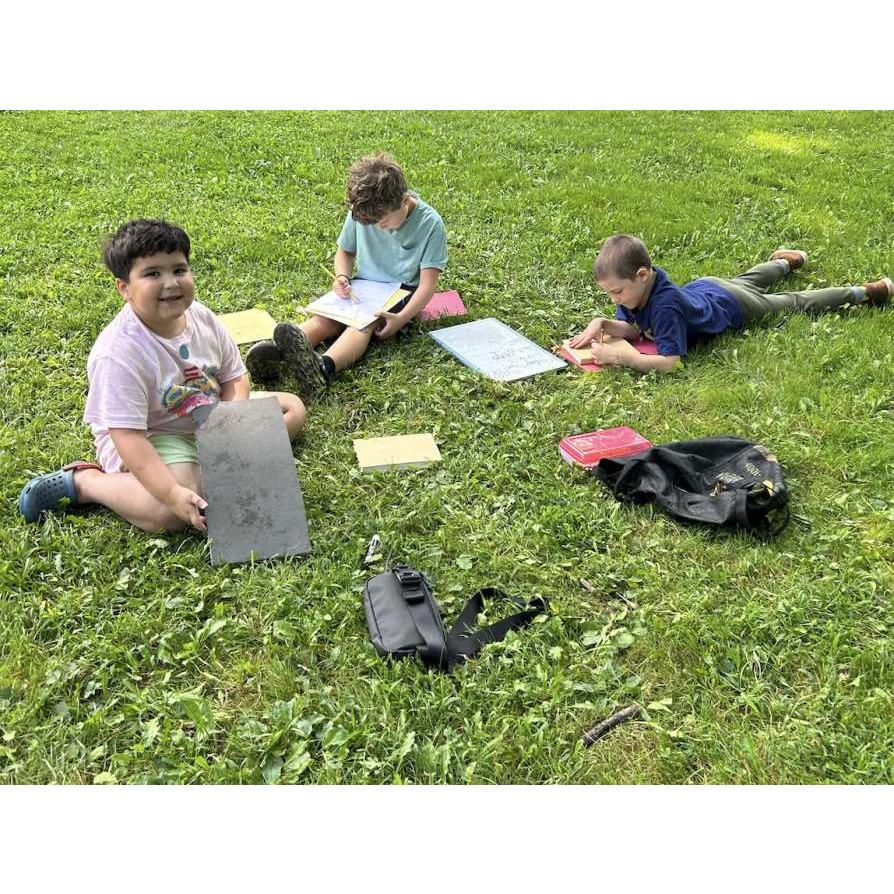
- Weather and phenology journals kept in the same notebook all year
- A weekly work job, such as feeding animals or turning compost, that the group depends on
A common mistake is treating outdoor time as recess. When the outdoors is where the lesson happens, children learn to cooperate because the work genuinely requires it.
The activities we return to most often are simple and repeatable.
| Activity | What children do |
|---|---|
| Daily sit spot | Observe the same patch of ground across the seasons |
| Seed starting and transplanting | Each student responsible for specific plants |
| Weather and phenology journals | Keep observations in the same notebook all year |
| Weekly work job | Feed animals or turn compost; the group depends on it |
Designing a Sustainability Curriculum for Elementary Schools That Sticks
A sustainability curriculum for elementary schools sticks when it is rooted in the local place rather than in abstractions about the planet. Children understand stewardship through the watershed they can walk to, the soil they can dig, and the food they can grow.
Place-based questions, such as where our water comes from or what lives in the soil, give children something concrete to investigate.
Community-Based Learning Projects for Students That Reach Beyond the Classroom
Community-based learning projects for students reach beyond the classroom when they involve actual neighbors and actual stakes. A project that ends at the school gate teaches compliance. A project that ends at the farm stand teaches citizenship.
Community-based projects can involve real neighbors and real stakes, and the logistics of planning them give children practice in communication and follow-through.
Outdoor Learning Lesson Plans That Turn Curiosity into Stewardship
Outdoor learning lesson plans turn curiosity into stewardship when they follow the child's attention instead of fighting it. The best plan is often a strong frame with room to wander inside it.
A workable structure is to open with a question, let children observe and record before explaining, gather to compare findings, and close with one small action.
For the research and rationale behind this approach, our own guide to outdoor project-based learning explains how place and nervous system both benefit. What most guides get wrong is front-loading the vocabulary. Let the children meet the frog first. The word will follow, and it will mean something.
Harm Repair and Social-Emotional Growth in a Microschool Setting
Harm repair is the practice of restoring a relationship after conflict rather than simply punishing the behavior. In a microschool, where children cannot avoid one another and adults see everything, repair becomes both possible and necessary.
The small setting makes social-emotional growth unavoidable. When two children argue over a shovel, there is no crowd to hide in and no bell to end the conversation. We teach them to name what happened, name the impact, and agree on what comes next. Our teachers, who hold master's degrees and whom our students are devoted to, model this constantly. For a fuller walkthrough of the language and steps, see our guide on how to teach children to resolve conflicts peacefully. A common mistake is rushing to the apology. The repair is in the listening that comes before it.
Building a Microschool Community That Lasts: From First Circle to Family Potluck
A microschool community lasts when families are part of the circle, not spectators to it. Community is built in small, repeated rituals rather than in grand events.
The rituals that have held our community together include a morning circle where everyone is greeted by name, a shared meal each season, and a family potluck where parents sit with children they did not raise. If you are looking for a way into a community like this, our homeschool enrichment in Kane County offers nature-based programming for families. Start with one ritual. Repeat it until it belongs to everyone.
Bringing Nature and Community Connection Home with Headwaters
You do not need a farm campus to begin. A windowsill, a neighborhood walk, and a shared notebook will carry most of the work, and the habits you build at home make the transition to a land-based program far smoother.
At Headwaters, we are a nonprofit community farm and academy, and we are candid about being new at running a school. What we are not new at is teaching: our educators hold master's degrees and our students are genuinely devoted to them. What we care about most is getting community, harm repair, and belonging right. Our home learning resources include family learning kits and homeschool curricula that bring our vision to families wherever they live.
If you are wondering whether your child will adjust to learning outside instead of sitting at a desk, we would welcome the chance to talk with you about it.
The deepest connection your child forms with the natural world will come from repetition, not from a single perfect lesson. Start with one ritual this week, one patch of ground, one shared meal, and let the belonging grow from there. Headwaters pairs a Montessori-inspired K-12 academy with nature- and project-based learning, a small intentionally human environment, and explicit teaching of social-emotional regulation and communication. Get started with Headwaters and give your child a community that knows their name.
Frequently Asked Questions
How can microschools help students connect with the natural world?
Microschools help students connect with nature by making the outdoors a regular part of the school day, not a field trip. At Headwaters, students spend time on a working farm, tend garden beds, observe seasonal changes, and take part in outdoor learning lesson plans that tie directly to what they are studying. Small class sizes mean teachers can follow a child's curiosity in the moment, which turns nature from a subject into a daily relationship.
What are practical nature-based learning activities for microschools?
Practical activities can include garden work and simple outdoor observation with field journals. These nature-based learning activities for microschools work best when they repeat weekly so children see change over time. Pair each activity with a short reflection circle so students connect the hands-on work to bigger ideas about ecosystems and stewardship.
How can teachers integrate sustainability into an elementary school curriculum?
Start by anchoring sustainability in real routines, such as caring for a shared garden bed. Then connect those routines to math (measuring growth), science (soil and water), and reading (stories about land and community). A sustainability curriculum for elementary schools works when it is woven into the day rather than added as a separate unit. Headwaters blends these practices with Montessori-inspired lessons so ecological awareness grows alongside academic skills.
How can a microschool connect classroom learning with its local community?
Community-based learning projects for students can connect classroom learning with the wider community. The goal is for children to see themselves as contributors, not just learners. At Headwaters, this happens through the nonprofit farm and family events that invite the wider community onto the land. Start small with one partnership or one shared meal, then let it grow.